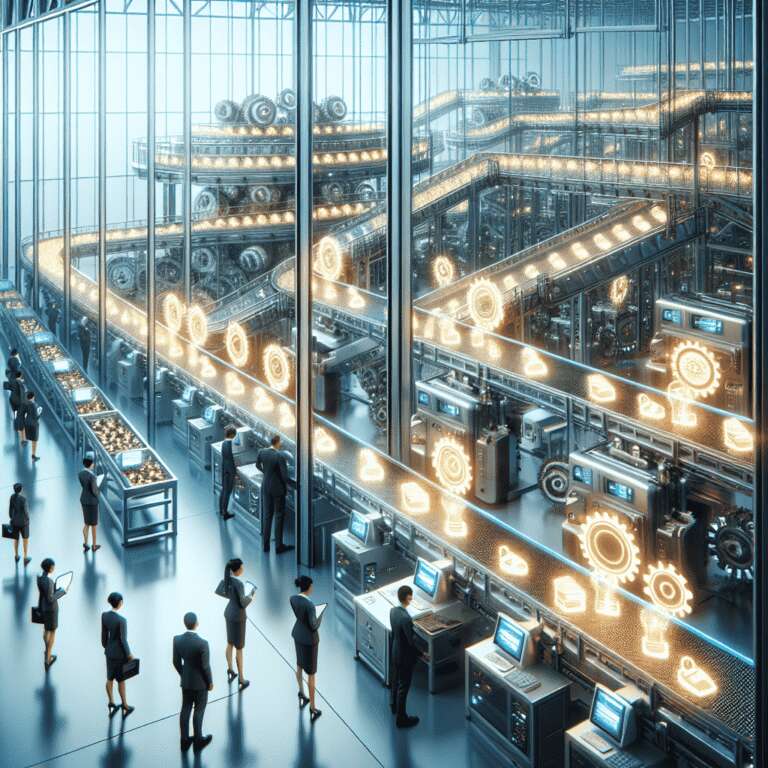
NVIDIA is drawing attention to its concept of ´AI factories´, large-scale infrastructures designed to serve Artificial Intelligence to millions simultaneously by performing what is known as AI inference. When users prompt generative Artificial Intelligence models for an answer or creative result, the system produces tokens—units of digital intelligence—to construct the final output. Traditionally, a single prompt yields one set of inference tokens, but more advanced, agentic Artificial Intelligence moves beyond one-shot answers, utilizing reasoning to break down complex tasks into multi-step processes, each producing several inference outputs.
AI factories are the industrial engines behind these processes. Unlike classical manufacturing, their ´product´ is intelligence itself, made tangible through vast quantities of generated tokens. NVIDIA emphasizes that these factories´ ability to scale effectively, maintaining both maximum performance and minimal latency, directly translates into higher revenue and profitability in the modern digital economy. Their unique architecture is built to optimize for these crucial elements, ensuring that intelligence generation keeps up with mounting demand as Artificial Intelligence permeates more industries.
Positioned as the backbone of what NVIDIA describes as the ´next industrial revolution´, these AI factories are redefining how value is created and delivered in data-driven markets. The efficiency, scalability, and real-time responsiveness of these platforms are central to unlocking new business models and economic growth. By aligning performance, cost, and agility, NVIDIA´s AI factories not only deliver intelligence but also serve as the foundational infrastructure for the expanding Artificial Intelligence economy.