Maryland is expanding the use of Artificial Intelligence across state government as part of a broader push to improve public services and internal operations. State officials have formed partnerships with two private firms to support practical applications in areas such as benefits administration, housing reviews and agency cost savings. One partner will provide access to Claude Artificial Intelligence models and technical expertise, while Percepta will supply engineering support to help agencies build and deploy Artificial Intelligence-powered tools.
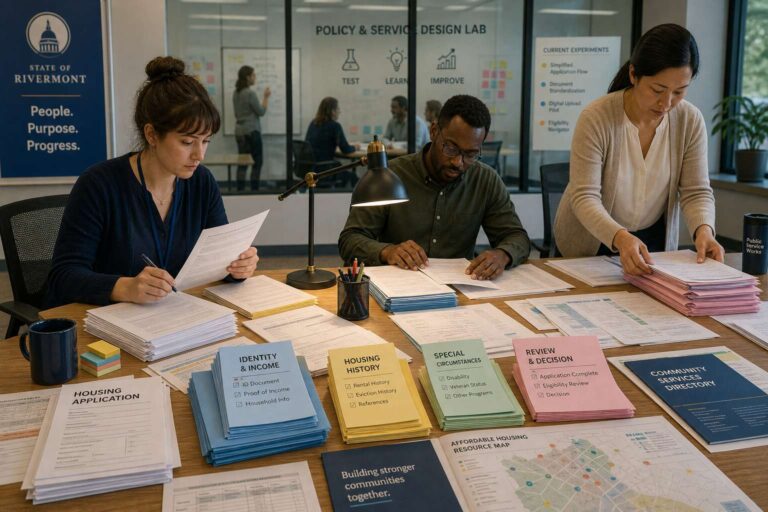
The Maryland Department of Information Technology’s Artificial Intelligence Innovation Lab will serve as the secure testing ground for the initiative. The lab will bring together Artificial Intelligence models in an environment where state agencies can evaluate ideas before broader deployment. It will also provide training for agencies using the models and help move successful pilot projects into operational systems that can be used in government services.
The Innovation Lab is also working with the Rockefeller Foundation on issues including child poverty and housing access. Another priority is helping agencies operate more efficiently and lower expenses. One example is the Department of Budget and Management’s use of an Artificial Intelligence agent to help fleet drivers find the most practical and cost-effective vehicle service options. The agency expects the system to save more than $1mn a year.
The lab is connected to Maryland Benefits, also known as MD Benefits, which gives residents digital access to state services including Medicaid, Medicare assistance, SNAP and WIC. State employees with Artificial Intelligence expertise will oversee the lab. Maryland’s approach emphasizes operational deployment inside agencies, while other states are also testing governance models, including Delaware’s agentic Artificial Intelligence sandbox, Utah’s Artificial Intelligence policy office and learning lab, and Texas’ guardrails for agency use.