Intel CEO Lip-Bu Tan confirmed that the company is still working with NVIDIA to develop new products, signaling that the partnership announced late last year remains active. The confirmation came in a post on X after Tan joined Carnegie Mellon University in honoring NVIDIA CEO Jensen Huang for contributions to accelerated computing and Artificial Intelligence. The collaboration is described as moving beyond an initial investment and product announcement toward broader integration between the two companies.
A key part of the effort centers on Intel chips that use third-party GPU intellectual property from NVIDIA. Intel plans to integrate NVIDIA GeForce RTX graphics into an Intel-branded package, reviving a model similar to the earlier Kaby Lake G approach with AMD. Intel plans to integrate third-party graphics into its x86 SoC, codenamed ‘Serpent Lake,’ which is scheduled to be the first joint collaboration between NVIDIA and Intel in a single chip package.
The partnership also extends into data center hardware. Second, we anticipate customized x86 Xeon server processors for NVIDIA, which Intel has been producing for large hyperscalers like Amazon for years. NVIDIA is also integrating Intel Xeon processors alongside its custom ‘Grace’ and ‘Vera’ CPUs, with designs customized by Intel for their HGX Artificial Intelligence server nodes.
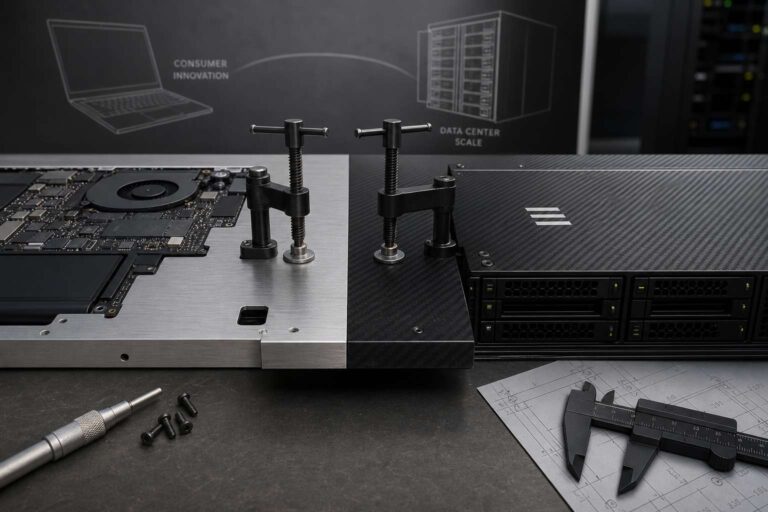
Taken together, the plans suggest a broader shared ecosystem spanning both consumer and server platforms. Intel appears set to provide both embedded NVIDIA graphics for future SoCs and tailored Xeon products for NVIDIA infrastructure, deepening the technical relationship across multiple product categories.