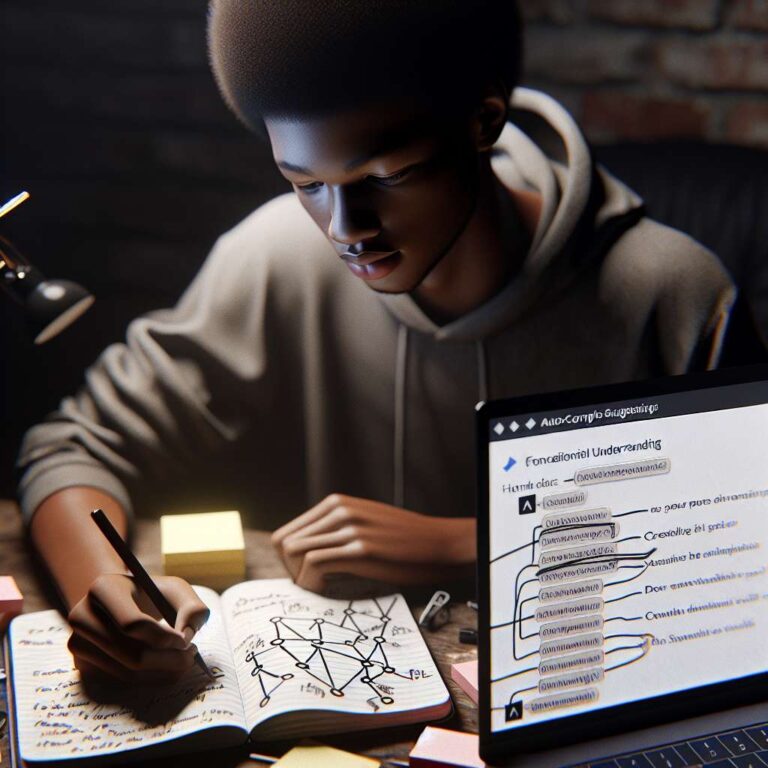
Joshua Karoly is a 17-year-old high-school senior near Sacramento who has wanted to be a programmer since second grade. He began with Scratch, moved on to a Python book from the library, and taught himself more through Khan Academy. Much of his early experience came during distance learning in the pandemic, when he says he spent class time programming instead of paying attention; he calls that period ´very nerdy behavior.´ Over the years he has progressed from simple projects to larger ones and entered events such as a weeklong game jam to sharpen his skills.
Karoly uses contemporary developer tools, including language models, but describes a mixed relationship with them. He knows how neural networks work in principle and has seen impressive demos, yet his hands-on experience is that model output often appears confident even when it is wrong. During the game jam he repeatedly fed a buggy routine to a tool; the returned suggestions seemed plausible but missed the real problem, and he spent hours debugging the issue himself. He warns that as projects scale, automated suggestions can fix one thing and break another because the systems tend to focus narrowly on a single part of a codebase.
That unevenness informs how Karoly thinks about careers. He is not convinced a hypothetical supercomputer will simply take every programming job; rather, he expects tools to change how work is done and to create gaps where human expertise still matters. He says he uses models as aids but tries not to rely on them the way some classmates do, and he worries that peers who lean too much on shortcuts may lack fundamental skills. His hope is pragmatic: if many young people overinvest in tool-driven workflows, he believes there will be demand for people who can do the underlying work without heavy dependence on automation.
Karoly´s ambitions extend beyond coding for hire; he dreams of running his own company and building abstract systems with code. He frames programming as a durable craft that benefits from deep practice, and he sees the coming change as an opportunity rather than an immediate threat. This account was told to reporter Tim Paradis and edited for brevity and clarity; it was published August 18, 2025.