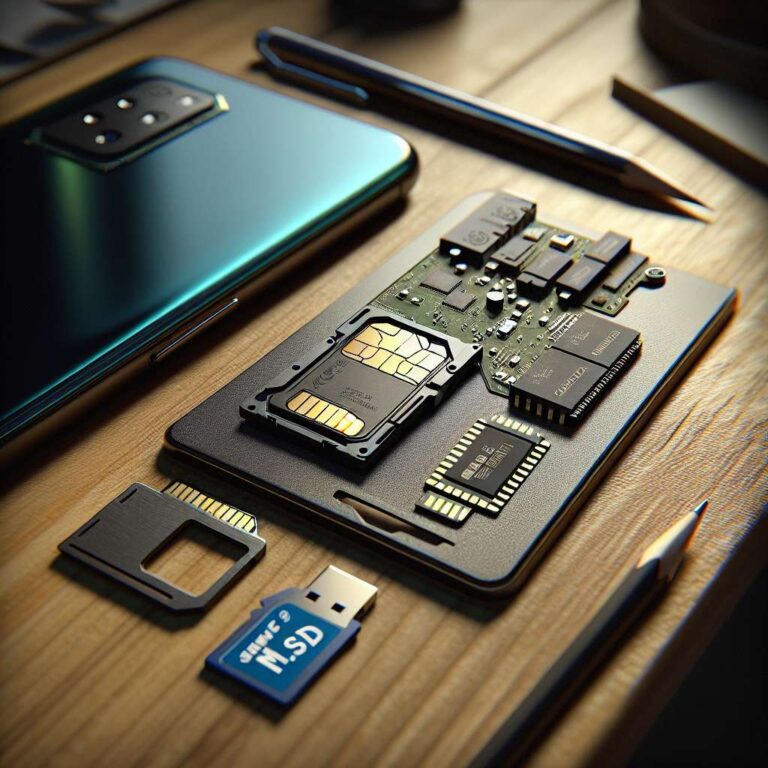
Biwin has introduced a mini SSD that compresses NVMe-class performance into a SIM-tray style module barely larger than a MicroSD card. The company quotes sequential read speeds up to 3,700 MB/s and write speeds up to 3,400 MB/s over PCIe 4.0 x2. Capacities arrive in 512 GB, 1 TB, and 2 TB, and the module measures ´15 × 17 × 1.4 mm´, ejecting with a pin in the same manner as a smartphone SIM so users can swap storage without tools.
The manufacturer is pitching the format for on-device convenience as well as durability. Biwin markets the module as IP68 dust and water-resistant and says it offers three-meter drop protection, which targets rugged mobile and handheld use cases. That combination of physical resilience and compactness aims to sit between MicroSD convenience and the performance of M.2 drives, promising a new option for devices that need more speed than flash cards but lack room for full-size SSDs.
Early platform support will be telling. Handhelds such as GPD´s win 5 and the OneXPlayer Super X have signaled compatibility, which means we could soon see real-world tests of compatibility, throughput, and thermal behavior. Practical performance will depend on more than raw specs; controller choices, firmware maturity, host implementation and thermal limits in cramped handheld chassis will determine whether the tiny modules can sustain quoted speeds under load.
Adoption will hinge on ecosystem and engineering trade-offs. If controllers and firmware are well integrated and device makers provide adequate cooling and lane support, the form factor could spread to more handhelds and mobile systems. If not, the mini SSD may be relegated to niche use where burst performance is enough. Either way, the product introduces a compelling middle path: the physical convenience of removable media with speeds approaching those of NVMe M.2 drives, all in a SIM-tray friendly package.