
Zotac Unveils Magnus EA Mini PC Featuring AMD Ryzen AI Max Strix Halo

Zotac introduces the Magnus EA mini PC, harnessing AMD´s Ryzen AI Max ´Strix Halo´ for next-gen gaming and advanced Artificial Intelligence workloads.

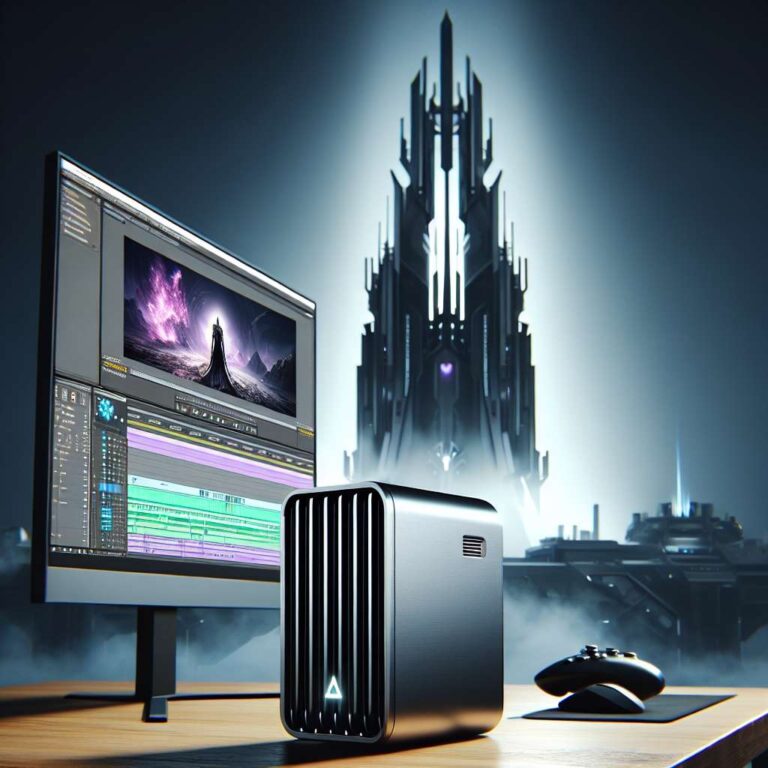
Zotac is set to launch its new Magnus EA (2025) mini PC, powered by the latest AMD Ryzen AI Max ´Strix Halo´ processors. This marks a significant step forward for compact PCs, as the Strix Halo platform offers up to 16 high-performance ´Zen 5´ CPU cores and an integrated GPU equipped with as many as 40 RDNA 3.5 compute units. These specifications position the Magnus EA as a formidable solution for 1440p AAA gaming, rivaling larger desktops in a much smaller form factor.

Beyond gaming, the Magnus EA leverages a 50 TOPS-class Neural Processing Unit (NPU) for full Microsoft Copilot+ compatibility, enabling robust Artificial Intelligence applications natively on the device. The mini PC now falls in line with the industry’s push towards locally accelerated Artificial Intelligence processing, making it suitable not just for gamers, but also creators and power users who need advanced compute and machine learning capabilities in a portable chassis.

Physically, the Magnus EA inherits the 140 mm-class 1U chassis design from its sibling, the 2025 Magnus One. This makes it even slimmer than the Magnus EN, which will instead feature Intel’s Core Ultra 200H ´Arrow Lake-H´ CPUs with GeForce RTX 50-series ´Blackwell´ GPUs. Zotac plans to officially unveil the Magnus EA, along with the updated Magnus EN and Magnus One models, at Computex later this month, showcasing a diverse lineup built around both AMD and Intel’s cutting-edge platforms for a range of enthusiast users.
55

Impact Score

U.S. and China revisit Artificial Intelligence emergency talks

Washington and Beijing are exploring renewed talks on an emergency communication channel for Artificial Intelligence as fears grow over the capabilities of Anthropic’s Mythos model. The shift reflects rising concern in both capitals that competitive pressure is outpacing safeguards.

Artificial Intelligence divides employers as hiring and headcount shift

U.S. hiring beat expectations in April, but employers remain split on whether Artificial Intelligence should drive layoffs, productivity gains, or internal redeployment. At the same time, candidate use of Artificial Intelligence is outpacing employer adoption in hiring, adding new pressure to screening and entry-level recruiting.

What businesses need to know about the EU cyber resilience act

The EU cyber resilience act is turning product cybersecurity into a legal requirement for companies that sell digital products into the European Union. A key compliance milestone arrives in September 2026, well before the full regulation takes effect in 2027.

Claude Mythos and cyber insurance’s next inflection point

Claude Mythos is being treated by governments and regulators as a potential systemic cyber risk with implications for financial stability and insurance markets. Its emergence is intensifying pressure on insurers to clarify whether Artificial Intelligence-enabled cyber losses are covered, excluded, or require new stand-alone products.

Contact Us

Got questions? Use the form to contact us.

Contact Form

Clicking next sends a verification code to your email. After verifying, you can enter your message.