Google’s integration of its Gemini Omni model into YouTube Shorts’ Remix tool has turned a familiar feature into a generative Artificial Intelligence system for reshaping creators’ videos. The YouTube Shorts Remix feature has existed since late 2023, but the recent addition of generative Artificial Intelligence has fundamentally changed how it works. A remix icon lets users reuse video or audio, while a Gemini logo opens an Artificial Intelligence Playground with templates, music creation and text-based content generation. Supporters describe the feature as a controlled, attribution-linked environment that labels and watermarks altered content, links remixes back to original posts and gives creators an opt-out path.
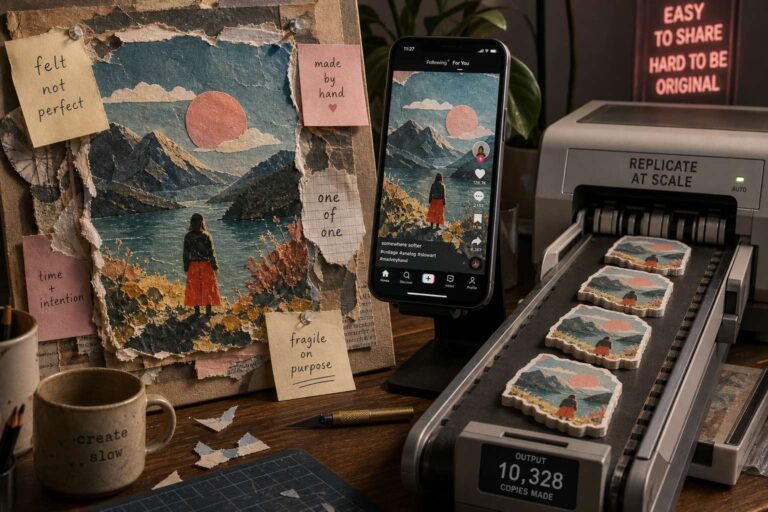
Industry executives see potential benefits for creators and YouTube. Remixing can lower the barrier to production, help fans and creators localize or edit videos more easily, and extend the lifespan and reach of existing content. Newly minted creators could use the tool to produce b-roll and storytelling assets they might not otherwise be able to make. Still, some marketers warn that easier generation could oversaturate the creator economy and weaken the authenticity that makes influencer marketing effective. Concerns also center on the pressure to appear polished online and the risk that Artificial Intelligence-generated work may normalize unrealistic standards for creators.
The strongest objections involve consent, manipulation, copyright and trust. The opt-out process appears to require disabling remixing on each individual Short, raising concerns that creators may miss the setting or fail to give explicit permission. Remixed Shorts link back to original content, but may not send meaningful traffic to the source, and highly altered versions could distort a creator’s tone, identity or sponsor relationships. Lawyers also warn that Gemini-generated material may create uncertainty under YouTube’s copyright rules if third parties make claims. On June 9, New York State’s Synthetic Performer Disclosure Law will take effect, in which Artificial Intelligence “performers” in ads have to be disclosed. Similar laws will take effect in California and the European Union in early August.
Creators and brands remain cautious about fully Artificial Intelligence-generated deliverables. A November 2025 study from Billion Dollar Boy found that 58% of creators are interested in exploring copyright protection for their face, identity and voice. Artificial Intelligence-generated content can also undermine brand identity and run afoul of IP law: 55% of marketers and 53% of creators say that Artificial Intelligence has led to more copyright infringement and IP theft in the creator economy, according to the Billion Dollar Boy study. A recent study from Ipsos and Syracuse University tested 20 ads across 10 major brands, some human-made, others Artificial Intelligence-generated, and found that 38% of participants felt human-made ads were more creative, and 46% felt they were more emotionally engaging.