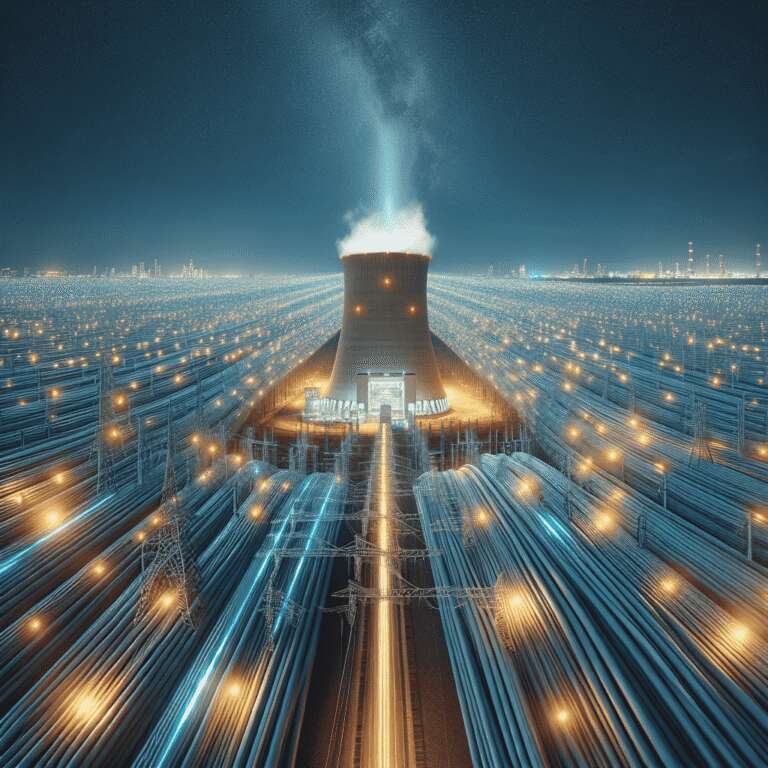
As the rapid adoption of Artificial Intelligence accelerates, major tech corporations including Meta, Amazon, Microsoft, and Google are increasingly investing in nuclear energy to meet the colossal energy demands of next-generation computing. Over the past year, these technology giants have initiated agreements and investments tied to both existing nuclear plants and advanced, yet-to-be-proven nuclear technologies. The motivation is twofold: companies want a stable, low-carbon power source to support Artificial Intelligence infrastructure while striving to achieve long-term climate goals. In turn, nuclear operators and innovators see the demand and financial backing from the tech sector as an opportunity to extend the lifespan of aging plants and advance new reactor designs, potentially catalyzing a nuclear renaissance. However, uncertain project timelines and the pace of regulatory approval may stall these plans, posing a significant challenge for both industries.
Another focus of the tech discourse is creativity, which has evolved into one of modern society´s most prized values. According to ´The Cult of Creativity,´ a new book highlighted in the MIT Technology Review´s print magazine, the near-universal emphasis on creativity is a relatively recent development. While creativity is often celebrated as an eternal human trait, especially within the context of technological and scientific innovation, its current cultural prominence is a modern phenomenon. This exploration encourages readers to reevaluate how technology is shaping, redefining, and sometimes commodifying creativity in today´s digital landscape.
The newsletter also surveys other breakthroughs and trends. SpaceX is preparing to test its Starship rocket, aiming for future Mars missions, while Nvidia develops a new, more affordable chip for China amidst tightening US export restrictions. Concerns rise over cybersecurity as Google research suggests that quantum computers may threaten current encryption standards sooner than expected. In the evolving landscape of autonomous systems, Tesla advances robotaxi services lacking clear safety disclosures, and the conflict in Ukraine fuels the proliferation of autonomous weapons, renewing ethical and oversight debates. Additional stories touch on Artificial Intelligence’s data collection practices, shifting attitudes at Meta, the burgeoning popularity of weight-loss drugs, and the unexpected role of penguin waste in Antarctic cloud formation. Wrapping up, the enduring quest for public trust in humanoid robots resurfaces, reminding us that despite advances, the journey to reliable, independent robotic helpers is ongoing and fraught with as many sociotechnical questions as it is with engineering hurdles.