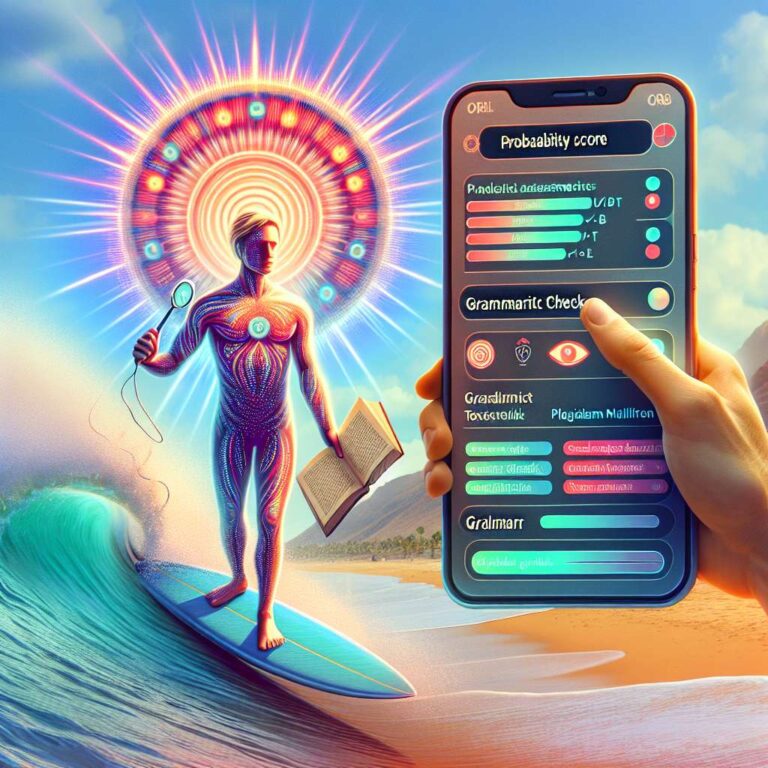
Surfer´s free artificial intelligence detector enables users to identify whether a piece of text was written by a human or generated using a tool like ChatGPT, Claude, or similar artificial intelligence writing platforms. Designed with accuracy and simplicity in mind, the tool serves content creators, editors, students, and professionals seeking to confirm the originality of their work. By pasting text into Surfer´s interface, users receive instant assessments that highlight sections likely to be generated by artificial intelligence, supporting efforts to maintain authentic and credible content across industries.
The detector leverages advanced machine learning algorithms and statistical models trained on vast datasets of both human-written and artificial intelligence-generated material. It examines grammatical patterns, word usage, repetitiveness, tone, and structure, allowing it to assess textual characteristics typically associated with artificial intelligence output. Features such as probability scoring provide an indication of the likelihood that a given text was created with artificial intelligence, while grammar and plagiarism checks add an extra layer of validation. These technical approaches help editors avoid unintentional artificial intelligence influences and give students and academic staff a tool to uphold academic integrity.
Beyond artificial intelligence detection, Surfer addresses compliance in regulated sectors such as legal, medical, and financial industries, where transparency and document authenticity are crucial. The platform’s support currently focuses on English-language content, with plans for broader language coverage. Recommendations for handling false positives, maintaining ethical standards, and circumventing detection—such as rewriting flagged content to pass various artificial intelligence detectors—are also discussed. Surfer’s tool has become a trusted resource for thousands of users worldwide, reflected in endorsements from content marketing teams, agencies, publishing professionals, and academic institutions, all seeking reliable solutions to the challenge of distinguishing artificial intelligence from human authorship.