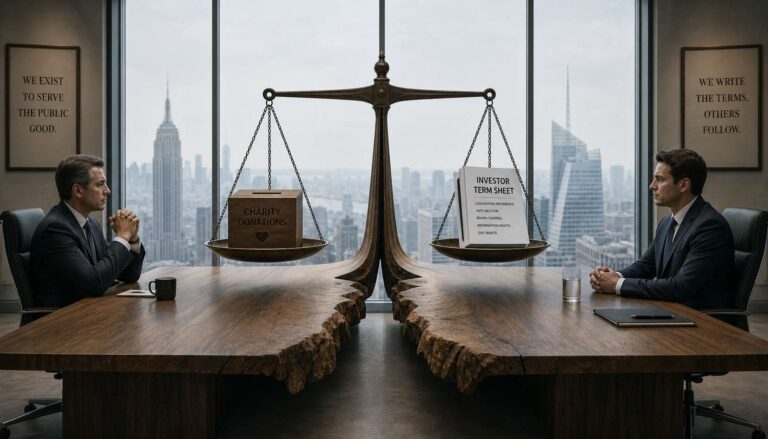
Elon Musk and Sam Altman are facing off in a California trial that could influence both OpenAI’s future and the broader rules governing Artificial Intelligence development. The dispute stems from OpenAI’s shift from a nonprofit organization into a for-profit enterprise, a transformation Musk argues violated the original understanding behind the company’s founding. The trial began this week in California and is expected to last roughly three weeks. Its outcome could reach far beyond the company’s internal power struggle.
The lawsuit names Altman, OpenAI president Greg Brockman, OpenAI and Microsoft. Musk cofounded OpenAI in 2015 and helped fund it with about US? million. He testified that he helped create the organization, recruited key people and provided initial funding, while OpenAI contends he left after being denied majority control. Musk’s legal claims include breach of contract, breach of fiduciary duty, false advertising and unfair business practices. At the center of the case is his allegation that Altman and Brockman persuaded him to donate on the premise that any artificial general intelligence developed by OpenAI would remain open and shared with humanity, not converted into a commercial asset.
Musk argues that OpenAI became a “wealth machine” through a 2019 capped-profit subsidiary and then through a full restructure into a public benefit corporation, which is now valued at roughly US? billion. OpenAI rejects that account and says the lawsuit is driven by frustration and rivalry. The company says Musk once proposed merging OpenAI with Tesla in 2017 and left when he could not gain control. Musk is seeking to reverse OpenAI’s for-profit conversion, remove Altman from the nonprofit board, strip Altman and Brockman of leadership roles in the for-profit entity, and win US? billion in damages. He also argues Microsoft should share liability because of its role backing OpenAI and licensing its technology.
The case arrives as OpenAI faces wider pressure over governance and finances. A recent investigation described Altman as a “pathological liar” and cited an internal dossier alleging a “consistent pattern of lying” to the board, claims Altman disputed while admitting mistakes. Internal projections point to roughly US? billion in losses for 2026 alone, with cumulative losses expected to top US? billion before any profit materializes. Shortly before the trial began, OpenAI quietly shut down Sora, its flagship video-generation model. Before closing, it burned around US? million a day in computing costs. The closure took down a US? billion Disney partnership with it. Even a fresh US? billion fundraise from Amazon, Nvidia and SoftBank has not eased the pressure.
If Musk prevails, OpenAI’s planned initial public offering could be derailed. This is expected in late 2026 at a US? trillion valuation. Investors in the recent funding round could face clawbacks, and Altman could lose control of the company he has led since 2019. The case could also define whether charity-founded Artificial Intelligence labs can legally pivot into commercial businesses, with possible consequences for Anthropic and other mission-driven firms. Even if Musk loses, the trial has already exposed internal records and sharpened concerns about how a powerful technology is controlled by a small group of competing executives.