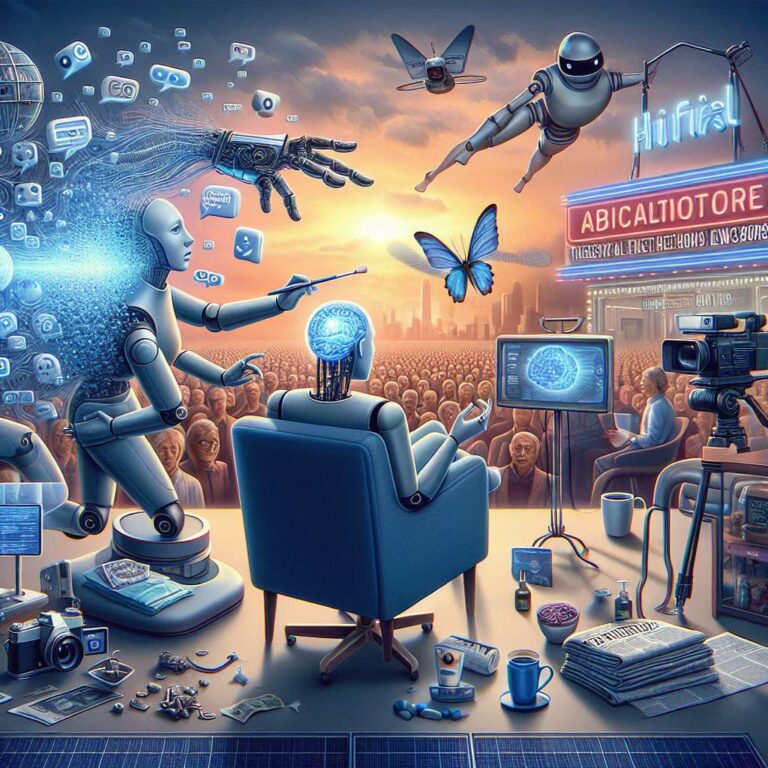
Moltbook briefly became a viral destination by presenting itself as a social network where artificial intelligence agents could post, comment, and upvote while humans watched from the sidelines. Launched on January 28, it was built around OpenClaw, a free open-source large language model powered agent whose identity shifted through names like ClawdBot and Moltbot as it evolved. The platform’s rapid rise as a “vibe-coded Reddit clone” fed claims that it offered a preview of a future in which swarms of autonomous artificial intelligence agents interact online, but it also exposed how quickly theatrical demonstrations can be mistaken for fundamental technological shifts.
In parallel with these headline-grabbing experiments, artificial intelligence is becoming deeply embedded in mental health support. The world is in the midst of a mental health crisis, and more than a billion people worldwide suffer from a mental-health condition, according to the World Health Organization. The prevalence of anxiety and depression is rising across many demographics, young people are particularly affected, and suicide is claiming hundreds of thousands of lives globally each year. Against that backdrop, millions are already turning to therapy-style chatbots and specialized apps such as Wysa and Woebot, even as new books and research remind readers that contemporary tools sit within longer histories of care, technology, and trust.
Newsrooms are also reassessing how to cover artificial intelligence as it moves from research labs into real-world deployment. A new newsletter called Making AI Work aims to explain how artificial intelligence is actually used in health care, climate technology, education, finance, and small businesses, and what workers should consider when integrating generative tools into their jobs. The broader news agenda reflects related shifts, from European Union scrutiny of platforms like Meta over rival artificial intelligence assistants, to advertising blitzes for chatbots at major events, to debates over open-source models that rely heavily on big technology companies’ resources. Across topics as varied as humanoid robots, cryptocurrency turmoil, running apps, romance novels, and fashion advice, artificial intelligence is portrayed as both a powerful new tool and a source of hype, risk, and cultural change.