
The Impact of AI on Creativity and Trump´s Tariffs on Batteries

Explore how Artificial Intelligence can enhance human creativity and the implications of Trump´s tariffs on the battery industry.

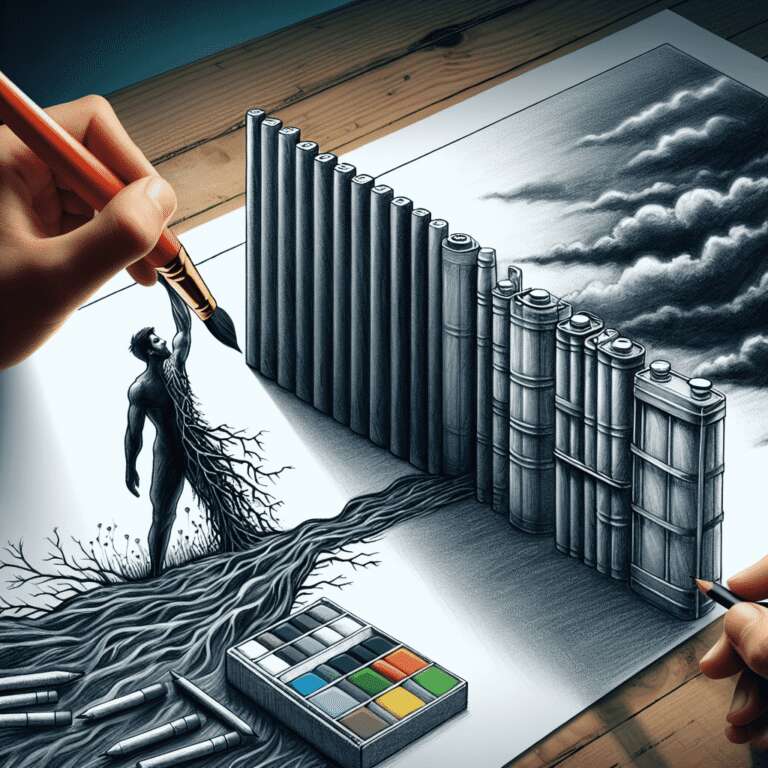
Artificial Intelligence has the potential to revolutionize creative processes by automating a wide range of tasks, providing artists and designers with instant gratification. However, there are concerns about this technology turning individuals into mere consumers of AI-generated content. To counter this, researchers and artists are exploring co-creativity, where AI serves as a tool to inspire and critique creative works, driving innovation that couldn´t occur independently.

These generative models can offer unprecedented creative opportunities, allowing artists and designers to expand their mediums and unlock ´creative superpowers´. The goal is not to replace human creativity, but to augment it, enabling human-machine collaboration in fields like music composition, game development, and toy design.

In another development, the recent tariffs announced by Donald Trump have caused economic disruptions, particularly affecting the battery industry. These tariffs could severely impact US battery makers due to China´s dominance in the supply chain. The repercussions are predicted to shift the global economic landscape significantly, posing challenging times ahead for the industry.
65

Impact Score

UK and EU Artificial Intelligence regulatory outlook for May 2026

The UK is moving ahead with targeted Artificial Intelligence measures in policing, online safety, cyber security and copyright policy, while the EU is refining how the EU Artificial Intelligence Act will apply in practice. Consultations, new offences and implementation deadlines are shaping the next phase of compliance on both sides.

Germany sets out national implementation of the Artificial Intelligence Act

Germany has published a draft law to implement the European Artificial Intelligence Act through new supervisory structures, clearer institutional responsibilities, and measures designed to support innovation. The proposal puts the Federal Network Agency at the center of enforcement while preserving sector-specific oversight in sensitive fields.

ECB warns banks about new Artificial Intelligence security risks

The European Central Bank has called major banks to an emergency meeting over cybersecurity risks tied to advanced Artificial Intelligence models. Regulators want banks to speed up security updates as newer tools make it easier to find and exploit vulnerabilities.

Contact Us

Got questions? Use the form to contact us.

Contact Form

Clicking next sends a verification code to your email. After verifying, you can enter your message.