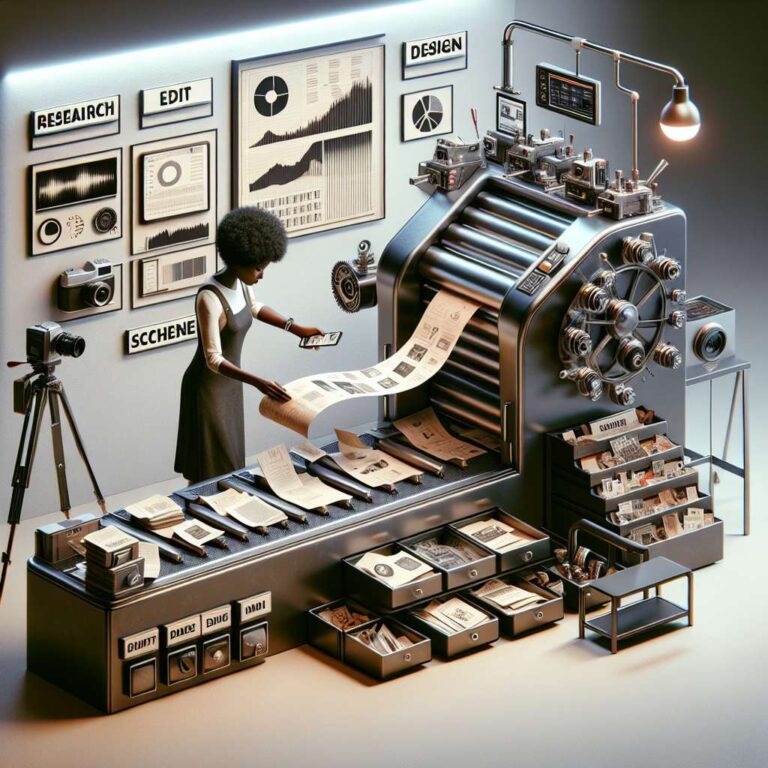
In today´s hyper-competitive digital marketing environment, generating high-quality, relevant content is both vital and increasingly challenging. Marketers grapple with tight deadlines, heightened personalization demands, and the need to consistently produce impactful messages. Artificial intelligence offers a comprehensive solution, optimizing content creation workflows at every step from ideation to distribution.
Artificial intelligence-driven content creation leverages technologies such as natural language processing, machine learning, computer vision, and generative models. These smart tools can scan massive data sets to spot trending topics, suggest content ideas, automate SEO optimization, and even simulate human linguistic style and tone. In the earliest stages, platforms like BuzzSumo or AnswerThePublic help marketers develop ideas by parsing search trends and online discussions, dramatically reducing guesswork. Automated research tools gather and condense relevant information across the web, accelerating data collection and enabling content producers to focus on storytelling. In the drafting and editing phases, writing assistants like Jasper, Copy.ai, and Grammarly generate copy, refine grammar, check for plagiarism, and maintain brand consistency. Visual tools powered by artificial intelligence, such as Lumen5 or Canva´s smart features, democratize design by streamlining image and video creation for marketers lacking graphic backgrounds. On the distribution front, intelligent schedulers like Hootsuite or Buffer select optimal posting times based on behavioral analytics, ensuring content reaches the broadest engaged audience and providing instant feedback for strategy refinement.
Integrating artificial intelligence into content workflows yields significant benefits: time is saved as automation handles repetitive tasks from keyword research to post scheduling; creativity flourishes as platforms provide fresh ideas and new content formats; and quality improves with tools that ensure consistent brand voice and error-free output. Marketers also gain a data-driven approach to optimization, with real-time insights guiding adjustments for better results and ROI. Still, thoughtful adoption is crucial. Excessive automation risks generating generic or biased content, so human review for authenticity, originality, and ethical standards remains essential. Staying abreast of rapidly evolving artificial intelligence tools and best practices ensures teams harness their full potential and adapt to new opportunities, such as personalized content, predictive strategy, and integration with emerging media technologies like AR, VR, and voice.
Artificial intelligence is not just a time-saver but a catalyst for innovation and enhanced productivity in content marketing. When applied judiciously, it empowers teams to create more, create better, and reach audiences more effectively—future-proofing their digital strategies as technology, audience expectations, and content channels continue to evolve.