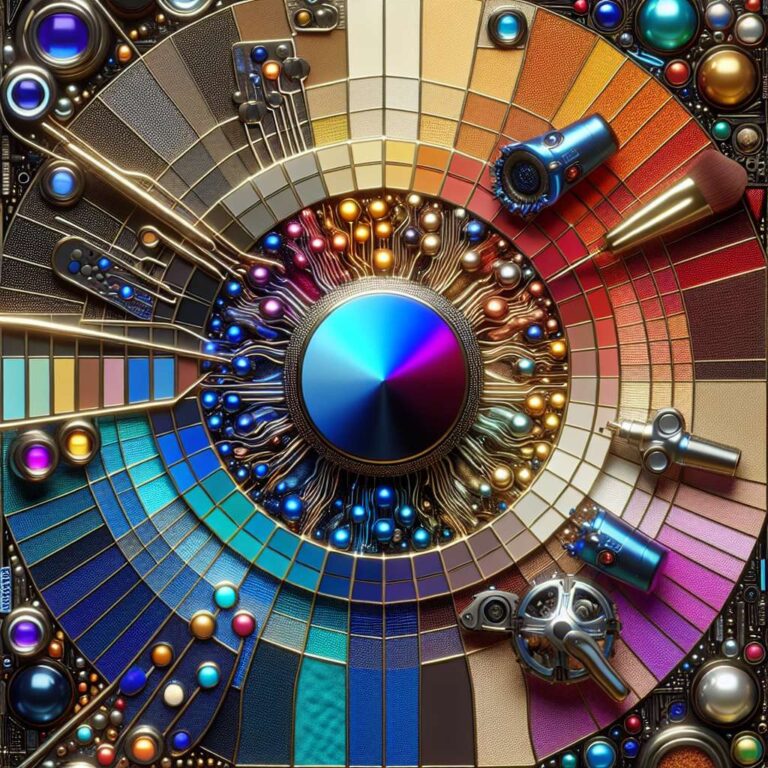
Consumer goods companies are increasingly deploying artificial intelligence to transform their approach to brand design, marketing content, and campaign optimization. According to a recent Adobe study of 1,000 U.S. consumers, artificial intelligence-driven branding not only shapes how products are presented but also significantly impacts consumer shopping behavior, including the likelihood of impulse purchases. The study notes that color is a crucial factor in the consumer decision-making process, with 16 percent of respondents noticing color schemes before any other aspect of a brand, and half admitting that color alone can sway their preference between brands.
Among the colors, blue emerges as the dominant force in fostering consumer trust and impulsive buying decisions, with 31 percent crediting it for influencing their purchases. Black, gold, red, and silver also ranked highly as colors that prompt spontaneous spending. Artificial intelligence is streamlining the design process by generating and refining color palettes based on psychological insights and real-time consumer data, thus enabling designers and marketers to automate elements of brand creation and personalization. High-profile companies such as Estée Lauder and L’Oreal are integrating generative artificial intelligence tools into their workflows with partners like Adobe and Google, drastically reducing the time required for concept ideation and campaign execution—moving from weeks to days in some instances.
Despite these advancements, attitudes toward artificial intelligence-driven branding remain mixed among consumers. The study found that only 34 percent fully trust brands that rely on artificial intelligence for their branding, while 30 percent associate these brands with modernity and efficiency. However, skepticism persists as 23 percent dismiss artificial intelligence-generated palettes as a passing trend, and 20 percent believe they lack the depth and emotion of human-created designs. Looking ahead, the study predicts a growing clash between futuristic, technology-inspired tones such as metallics, iridescents, and sci-fi shades versus the organic appeal of earthy colors like browns, sage greens, and terracottas—signaling a vibrant and diverse future for brand design in the consumer goods sector.