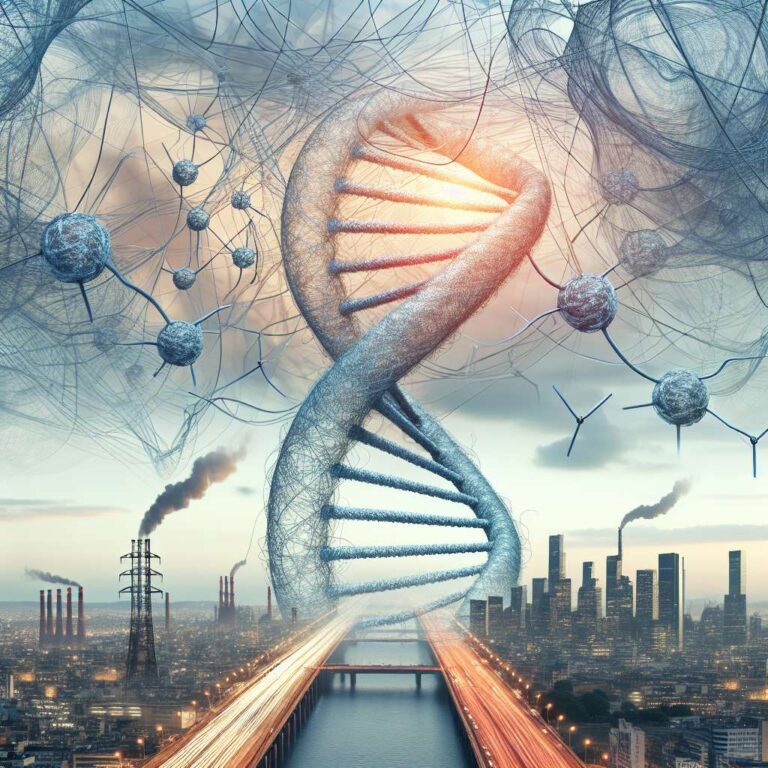
Google’s DeepMind has announced AlphaGenome, a significant leap in using Artificial Intelligence to decode human DNA. When the human genome was first sequenced in 2003, the accomplishment revealed all 3 billion genetic letters, but the functions of many sequences remained mysterious. AlphaGenome addresses this gap by predicting the outcomes of small DNA changes on various molecular processes, such as alterations in gene activity. This directly tackles questions fundamental to biology and medicine, providing insights into how tiny genetic mutations can influence health and disease. The system offers biologists a way to model, rather than experimentally test, the cascading molecular effects of genetic variations, potentially accelerating breakthroughs in medical research.
Amid technology’s advances, extreme heatwaves have pushed power grids to their limits across the United States and Europe. As scorching conditions become routine in regions like the US, Spain, and the UK, electricity demand surges to keep people safe and comfortable. With major grids operating at or near peak capacity, the resilience and flexibility of infrastructure are under scrutiny. These record temperatures highlight the need for adaptation and innovation in energy systems, with concerns growing around the ability of existing grids to withstand future climate extremes without failure. Experts say that even modest improvements in grid flexibility could be essential to navigating these climate-driven stress events successfully.
The latest news digest also covers a range of technology, health, and policy issues making global headlines. Meta recently secured a win in a copyright lawsuit concerning Artificial Intelligence training data, but the landscape remains fraught for creators and platform companies alike. Meanwhile, the US is pulling back from global vaccine alliances after controversy arose from unsubstantiated safety claims; this decision alarms public health officials. Taiwan is developing new military drone defenses, private missions are heading to the International Space Station, and biohackers in the US hope for looser restrictions, pointing toward a dynamic, sometimes contentious, interplay between technology and regulation. From massive new data centers supporting Artificial Intelligence workloads to fresh debate over the nature of dark energy, today’s technology scene is marked by rapid progress, ethical crossroads, and the promise — and peril — of rewriting both biology and infrastructure.