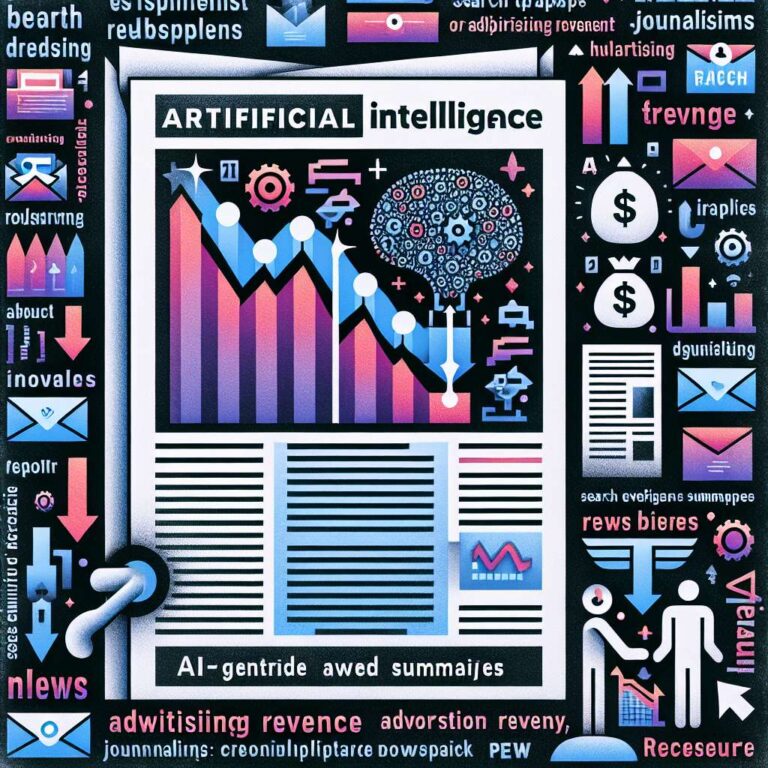
Generative Artificial Intelligence assistants like ChatGPT are eroding traditional search-driven traffic to news outlets, according to reporting highlighted by Sinar Daily. The trend is depriving publishers of the visitors that underpin advertising sales and subscription conversions, a damaging development for an industry already fighting for survival. The article frames the shift as a crushing blow, with automated summaries increasingly surfacing answers directly on search results pages and discouraging users from clicking through to original reporting.
Matt Karolian, vice president of research and development at Boston Globe Media, cautions that the transition will test publishers worldwide. He warns that the next three or four years will be incredibly challenging and describes an Artificial Intelligence summaries storm gathering on the horizon. His message is blunt: publishers need to build their own shelters or risk being swept away. While the piece does not prescribe specific solutions, the call to action underscores the urgency for news organizations to adapt their products and distribution as audience behavior shifts.
Although comprehensive data is still limited, the article cites a recent Pew Research Center study indicating that Artificial Intelligence generated summaries now appearing regularly in Google searches reduce the likelihood that users will click source links. When such summaries are present, users click on suggested links half as often as they do with traditional searches. For digital media businesses that rely on traffic to fuel advertising revenue and convert readers to paid subscriptions, that drop-off represents a significant threat to sustainability.
Taken together, the warnings and early evidence point to a structural challenge for publishers as search platforms integrate more Artificial Intelligence outputs into results. With fewer click-throughs, publishers face shrinking opportunities to monetize their journalism. The Sinar Daily report suggests that proactively building defenses and new strategies is essential if news outlets are to maintain audience relationships and revenue in an environment increasingly intermediated by Artificial Intelligence summaries.