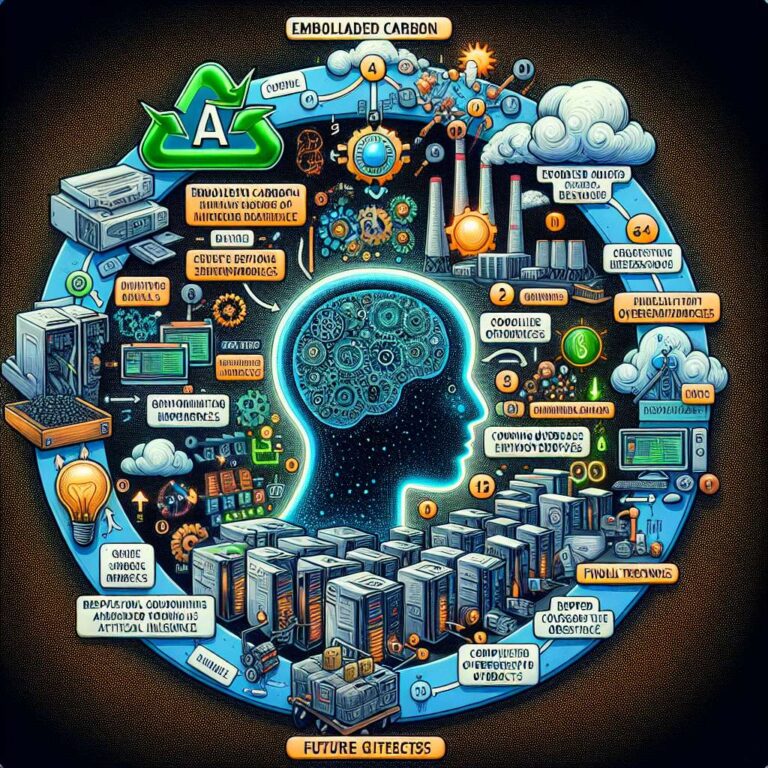
Exclusive and subscriber-only, this ebook by James O’Donnell and Casey Crownhart, dated May 20, 2025, lays out the calculation behind the energy cost of artificial intelligence. It frames the central puzzle plainly: emissions from single text, image, or video queries look small in isolation. The introduction signals a broader argument that the apparent efficiency of single interactions can mask larger impacts when additional factors are considered.
The book is organized into four clear parts, each addressing a step in the lifecycle of contemporary artificial intelligence services. Part one, making the model, examines model creation. Part two, a query, follows a single request through the system. Part three, fuel and emissions, turns to the resources and outputs tied to operation. Part four, the future ahead, looks at trajectory and implications. Together these sections are presented as a sequence that moves from how models are built to how individual interactions accumulate environmental cost.
The stated takeaway is that small per-query emissions become more consequential once the industry’s blind spots are included and growth is projected forward. The ebook promises readers a focused, math-driven account of those blind spots and how aggregation changes the picture. It aims to surface what the industry is not tracking and why that matters for assessing the overall energy footprint of artificial intelligence. Related content and an access link accompany the ebook announcement, underscoring that the material is intended for subscribers seeking a detailed walkthrough of emissions sources and future considerations.