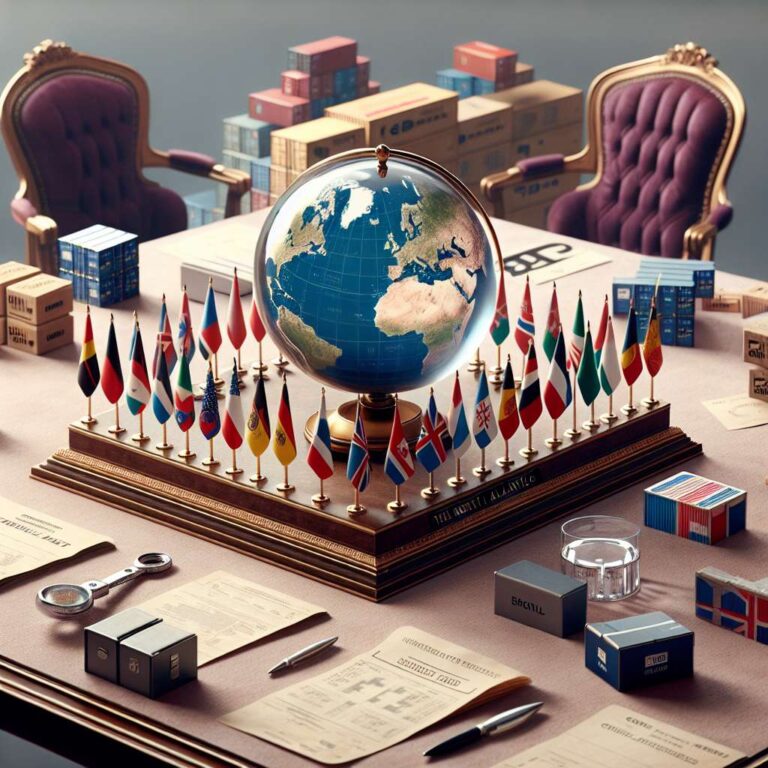
NBC News’ business coverage highlights how geopolitics, technology and consumer markets are intersecting in a period of heightened economic tension. The European Union is preparing to hold an emergency meeting on President Donald Trump’s new tariffs targeting Greenland-related interests, a move framed as part of a broader push by Trump to advance a possible Greenland purchase. In a related development, Trump has imposed tariffs on eight European countries in what is described as a further escalation of his efforts around Greenland, putting fresh pressure on transatlantic trade relations and raising questions about the durability of existing economic alliances.
The Trump administration’s tariff policies are also reshaping global trade flows far beyond Europe. Canada is turning to China as Trump’s tariffs and related threats bring former rivals into closer cooperation, with shared commercial interests overriding previous diplomatic frictions. At the same time, China has reported a record $1.2 trillion trade surplus, defying Trump’s tariffs as Beijing redirects more exports to Southeast Asia, Africa, Latin America and other markets while United States imports from China have declined. In the technology sector, the United States has approved exports of Nvidia’s H200 chip to China with specified conditions, and the move is likely to kickstart shipments of the tech giant’s second most powerful Artificial Intelligence chip amid concerns among China hawks in Washington. Separately, ads are coming to ChatGPT, signaling a new monetization phase for one of the most influential Artificial Intelligence tools in the consumer market.
Domestic economic stories in the coverage show how these global shifts filter down to consumers and businesses. Saks Global has filed for bankruptcy after struggling with debt it assumed to buy rival Neiman Marcus, lagging department store sales and rising competition from online retail, even as other parts of the luxury sector continue to grow. In finance, a rare bipartisan push is emerging as Trump, Alexandria Ocasio-Cortez and Bernie Sanders align on efforts to cap credit card interest rates, while banks issue warnings about the potential impact. The inflation picture remains mixed: the government’s December inflation report showed food prices rising, even as overall inflation held steady, and a separate update said prices rose 2.7% in December from a year ago, a sign that inflation continues rising but in line with the pace seen in recent months. Against this backdrop, President Trump has declared an “economic boom” while many Americans continue to worry about prices, telling the Detroit Economic Club that he will elaborate on new housing policies and other price-controlling measures in the coming weeks. The business section also notes that Aldi’s value-focused model is attracting attention amid America’s affordability crisis, reflecting how consumers are recalibrating spending in response to persistent cost pressures.