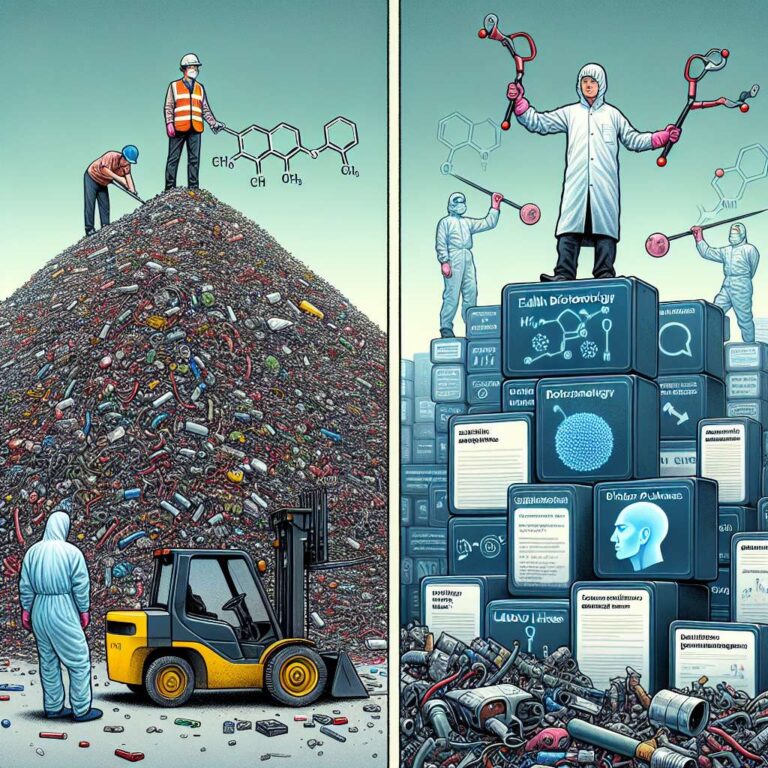
China’s rapid adoption of electric vehicles over the past decade, supported by government incentives, has turned buying an electric car from a niche choice into a mainstream habit, and by late 2025, nearly 60% of new cars sold were electric or plug-in hybrids. That early success is now creating a mounting challenge as batteries from the first generation of vehicles reach the end of their useful life and early owners start retiring their cars. The resulting surge in discarded batteries is exposing how underdeveloped China’s battery recycling infrastructure remains, forcing the country to confront the environmental and safety implications of its electric transport revolution.
The strain on formal recyclers has created space for a gray market handling used batteries, where operators frequently cut corners on safety protocols and environmental safeguards to extract remaining value. National regulators and commercial players are attempting to build more robust, standardized recycling systems, but their efforts have struggled to keep up with the flood of batteries coming off the road. This tension illustrates the difficult second phase of the electric vehicle transition: managing the long-term lifecycle of core components rather than just accelerating sales, and it underscores how policy, enforcement, and industrial capacity must evolve alongside consumer adoption.
At the same time, a parallel debate is unfolding around the future of Artificial Intelligence, where a small but influential group of so-called doomers argues that highly capable Artificial Intelligence systems could pose extreme risks to humanity. This community has helped influence policy discussions, including around regulations from the Biden administration, even as the conversation has shifted in recent months toward concerns over an Artificial Intelligence investment bubble and uncertainty about long-term demand for massive new data centers. Despite these headwinds and a broader “hype correction” in expectations of what Artificial Intelligence can deliver, leading doomers interviewed say their core worries remain unchanged. Their stance sits within a wider reevaluation of Artificial Intelligence, spanning upbeat stories about new health and biotechnology tools, critical looks at generative Artificial Intelligence content on platforms like YouTube and WhatsApp, and growing labor pushback from actors and other workers being asked to create digital likenesses, all pointing to a technology whose risks, benefits, and real-world limits are still being hashed out.