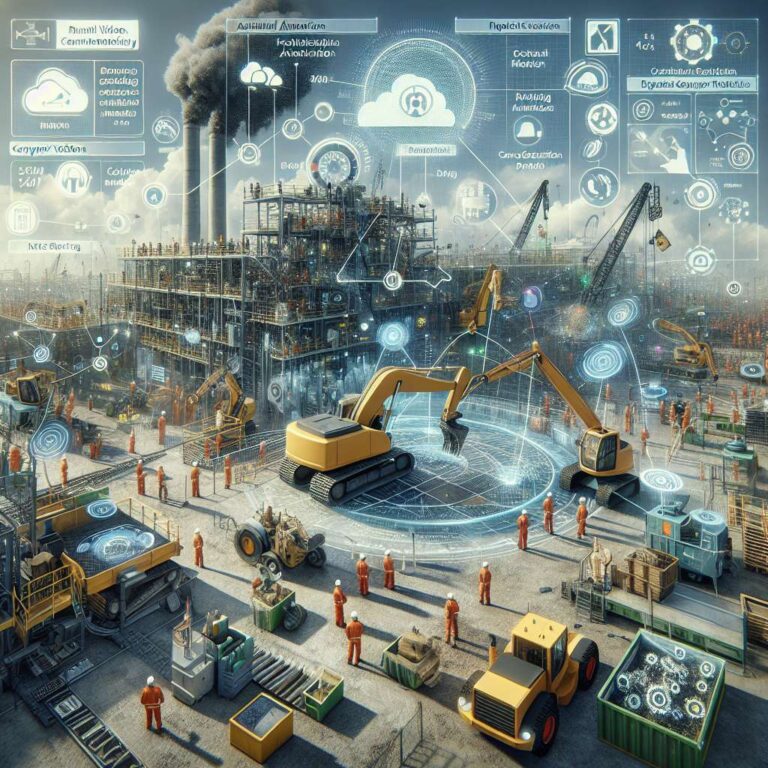
In boardrooms and on tech blogs, Artificial Intelligence is often framed as a white-collar disruptor. the article argues the next frontier is the field: construction, logistics, and energy jobsites. physical Artificial Intelligence systems that see, sense, and act are replacing manual reporting and spreadsheets with on-site sensors, computer vision, and internet of things devices that can detect material usage, forecast delays, and optimize waste disposal in real time.
The construction market is cited as a signpost of this shift, with a projected growth from ?.86 billion in 2025 to ?.68 billion by 2032, and the world economic forum calling the trend a new age of industrial operations. historically, construction productivity has lagged at roughly 0.4% per year since 2000, but pilots show pragmatic gains. a computer vision pilot in europe identified wood, concrete, and metal with accuracy surpassing human inspectors, producing faster logistics and lower contamination rates. studies also show that Artificial Intelligence forecasting can prevent over-ordering and cut residual material waste, reducing both project costs and embodied carbon.
the piece stresses that the operational shift is as important as the technical one. Artificial Intelligence must move from a data project into a decision engine: when a dumpster reaches 80% capacity, a model should trigger pickup; when a truck idles, systems should reroute resources; when over-ordering patterns appear, procurement should course-correct. the most effective implementations link outputs directly to cost, carbon, and compliance metrics so dashboards dynamically update diversion rates, emissions savings, and cost reductions as projects progress.
the environmental stakes are clear: construction and demolition account for nearly 40% of global carbon emissions, much tied to embodied carbon. by treating jobsites as intelligent climate systems, organizations can reduce waste, accelerate schedules, strengthen environmental, social, and governance credibility, and increase margins. the article concludes that Artificial Intelligence is moving out of the cloud and into the dirt and dust of real work, and leaders who bring it there will shape sustainable growth on the ground.