
How pet genetics and big data are reshaping health research
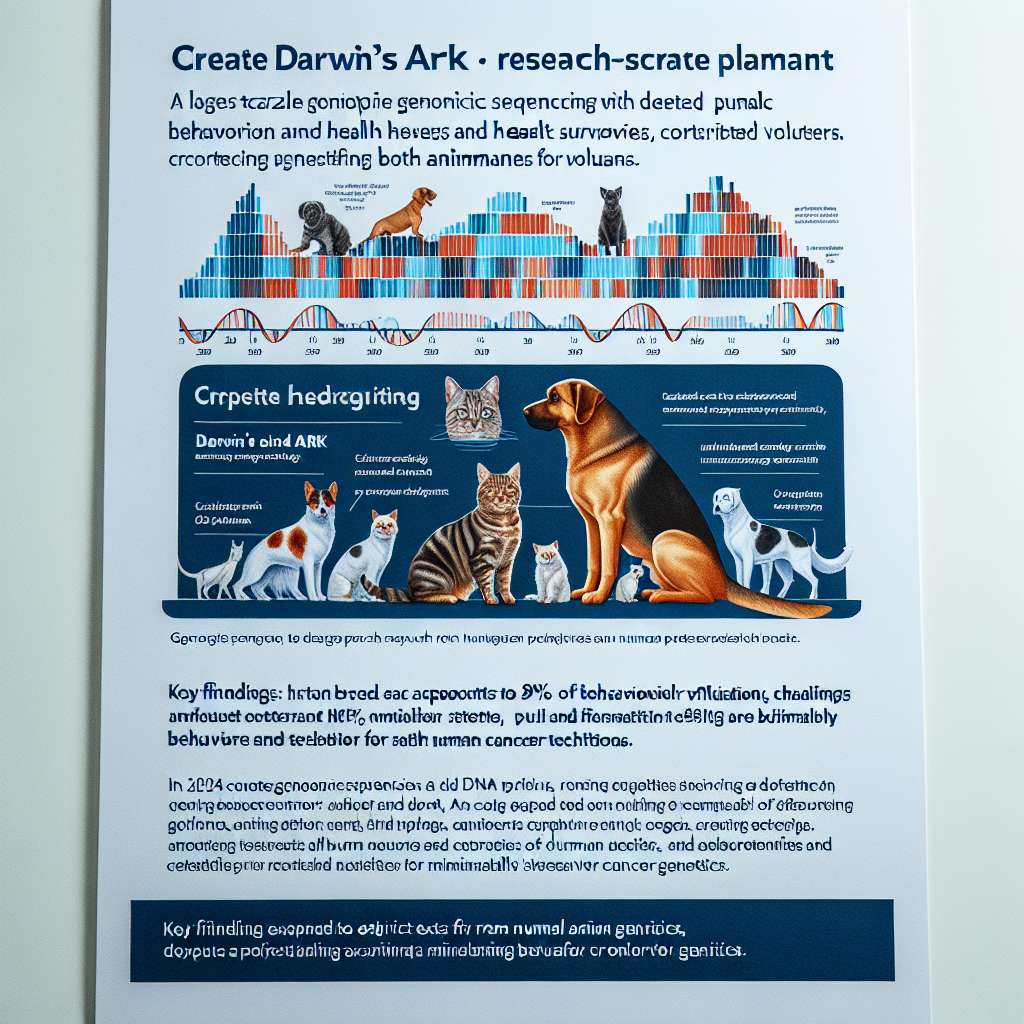
A community science nonprofit is turning pet DNA and behavior surveys into a high impact data platform for studying complex diseases while its cofounder extends big data thinking to logistics and social justice.
Vine inspired robotic gripper offers gentler lifting for people and objects

Engineers at MIT and Stanford have built a vine like robotic gripper that grows, twists, and cinches into a loop to gently lift objects and even people. The system could ease physically demanding tasks such as transferring patients in eldercare settings while adapting to industrial and agricultural uses.
Microfluidic reformulation makes antibody treatments syringe injectable
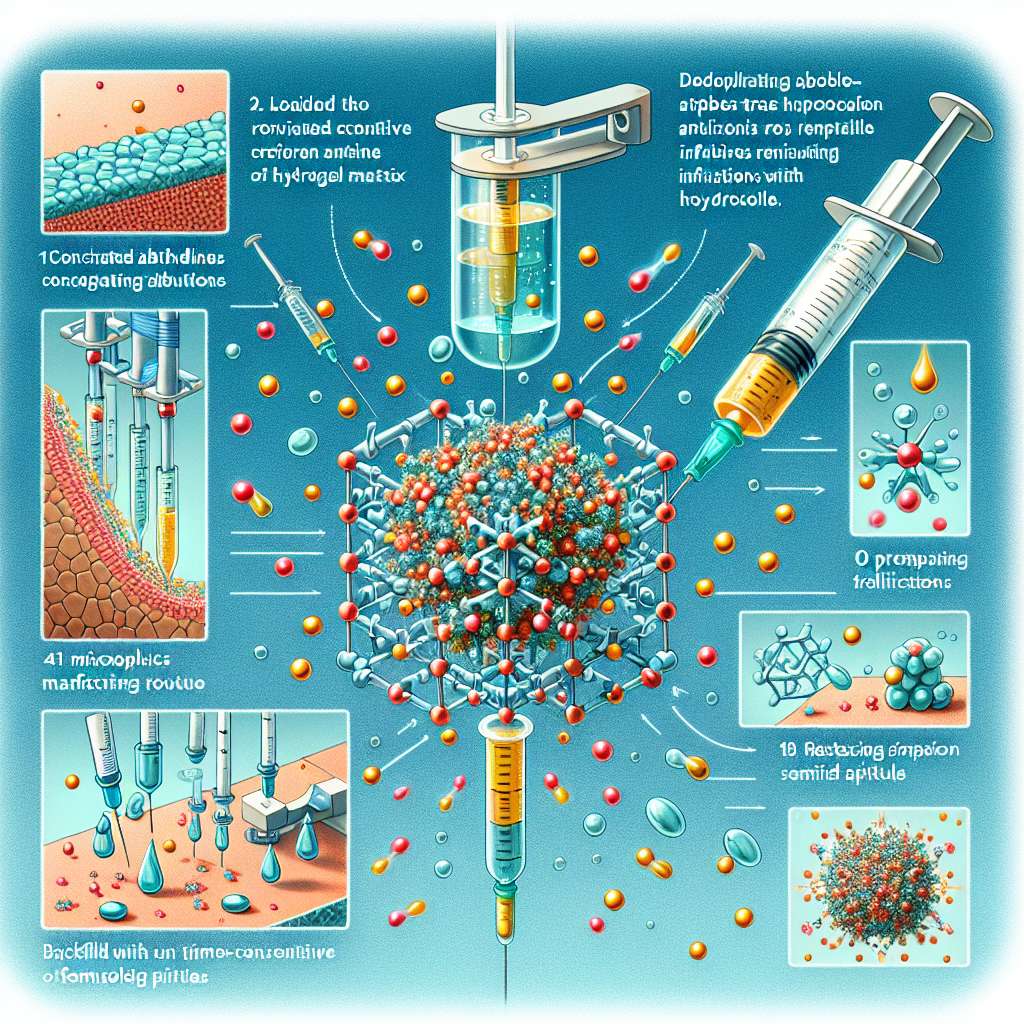
Researchers have developed a microfluidic method to package highly concentrated antibodies into injectable semi-solid particles, potentially shifting many antibody therapies from intravenous infusions to simple syringe injections.
Artificial Intelligence designed protein sensors target early cancer detection

Researchers at MIT and Microsoft have used Artificial Intelligence to design protein-based sensors that could enable a urine test for early cancer detection. The approach uses tailored peptides on nanoparticles to generate clear diagnostic signals from cancer-linked enzymes.
mice study points to new way to rejuvenate aging immune systems
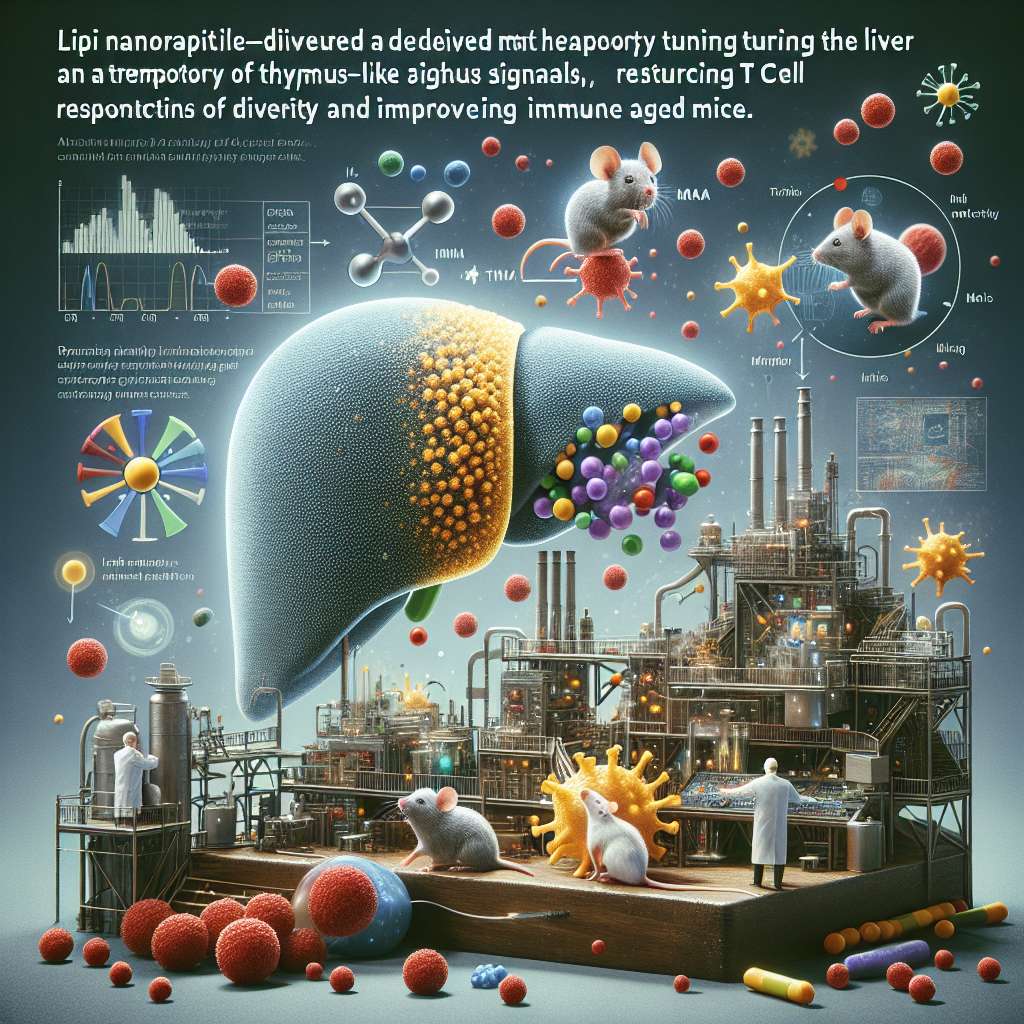
Researchers at mit and the broad institute used temporary genetic programming in liver cells to restore more youthful t cell responses in aged mice, boosting vaccine and cancer immunotherapy effectiveness. The strategy mimics key thymus signals using mrna-loaded lipid nanoparticles that turn hepatocytes into short-lived protein factories.
String actuated kirigami tiles turn flat sheets into 3D structures
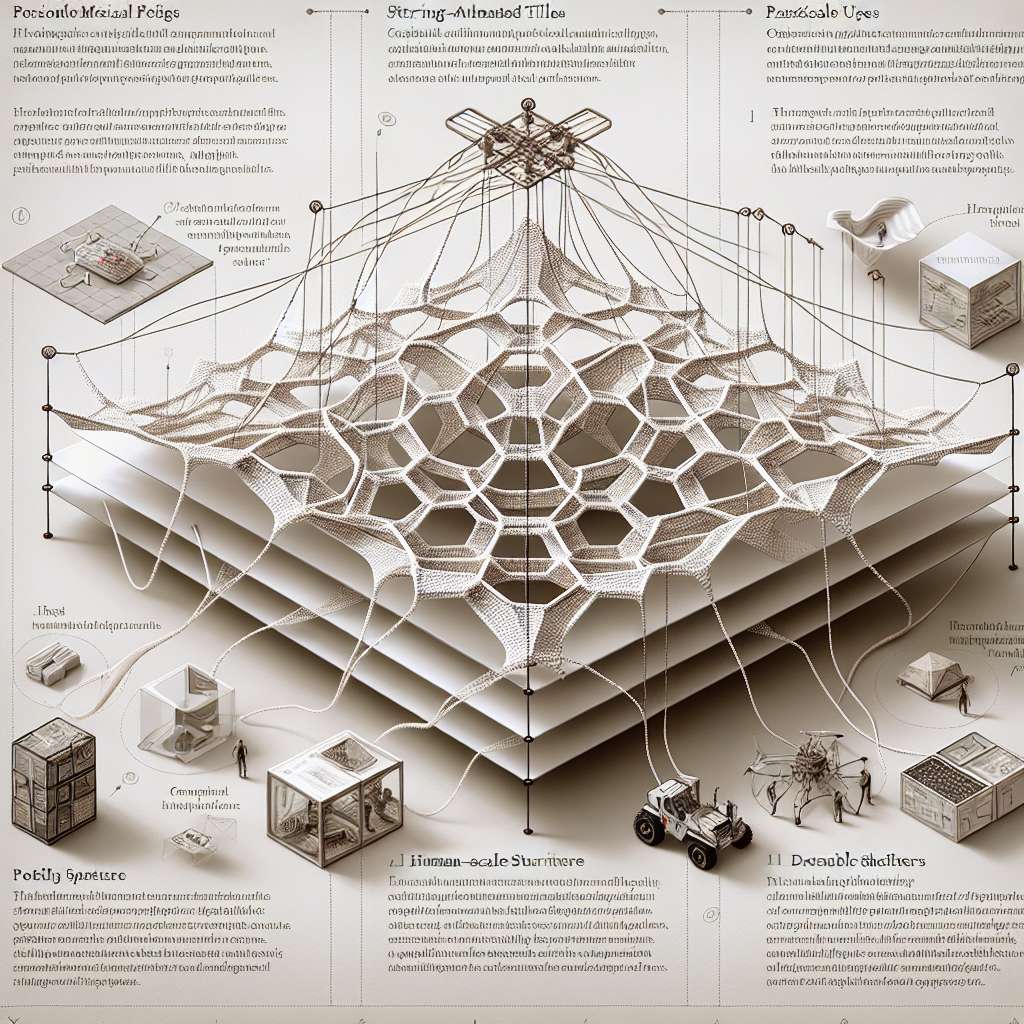
MIT researchers have created an algorithmic kirigami system that lets flat, tiled sheets transform into complex 3D structures with a single pull of a string, enabling compact storage and rapid deployment. The approach targets applications from medical devices and folding robots to disaster shelters and space habitats.
World Labs secures $1 billion to build large world models for spatial intelligence

Fei-Fei Li’s startup World Labs has raised $1 billion to accelerate so-called large world models, aiming to give machines a deeper understanding of 3D space and physical behavior. The company’s first product, Marble, generates persistent, editable 3D environments from text, images, or video for industries from gaming to architecture.
Artificial Intelligence shifts drug discovery economics in the fight against cancer

Cancer-curing breakthroughs are often held up as the ultimate test of Artificial Intelligence, but the more immediate impact lies in reversing the pharmaceutical industry’s long decline in research productivity. New systems are changing the speed, cost, and odds of success across the entire drug development funnel.
New artificial intelligence tools aim to spot sick patients earlier in busy hospitals
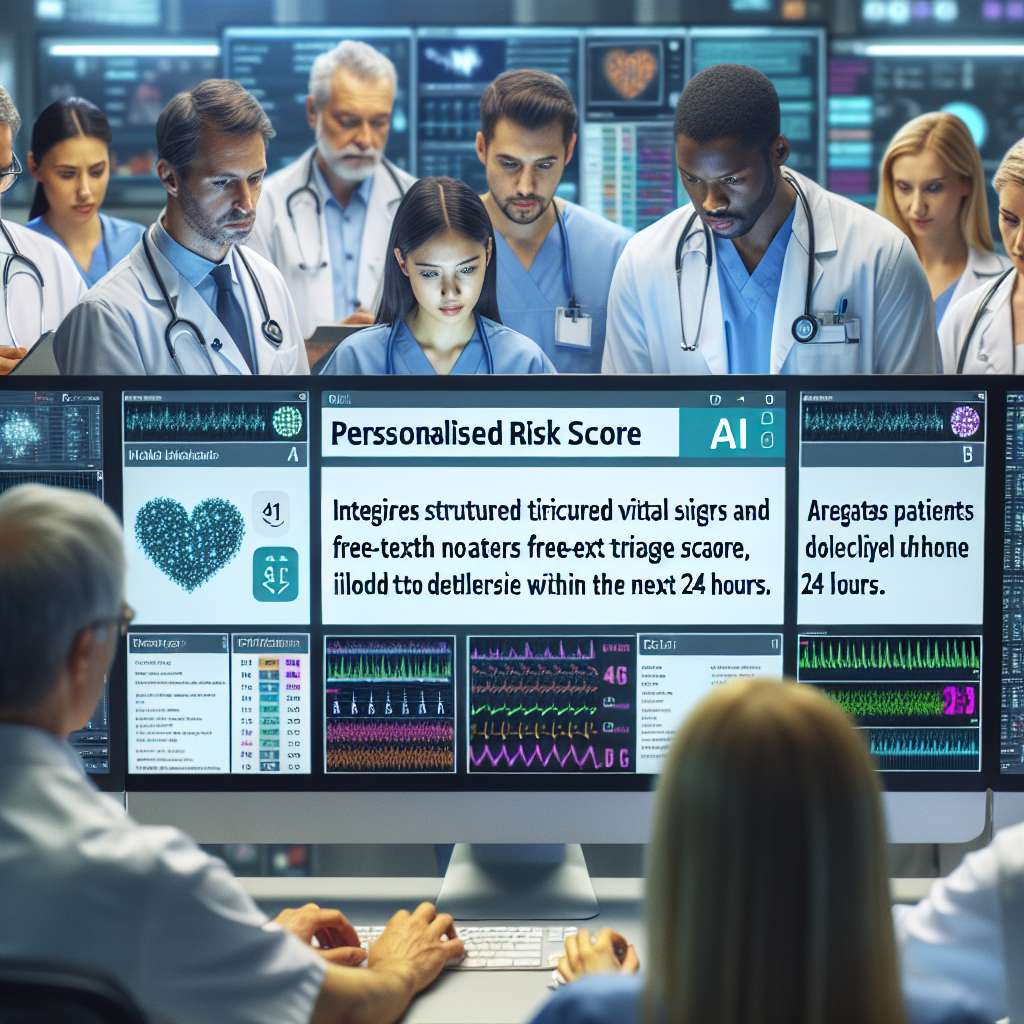
Researchers in Durham have developed new artificial intelligence tools that analyse full electronic health records to help staff in busy emergency and acute hospital settings identify very sick patients earlier and improve communication at discharge.
Future of higher education in the era of generative artificial intelligence
University-level humanities and business education are being reshaped by generative artificial intelligence, forcing institutions to rethink assessment, integrity, and pedagogy as detection and hallucination challenges persist.