
Artificial Intelligence’s second wave turns startups into product creators
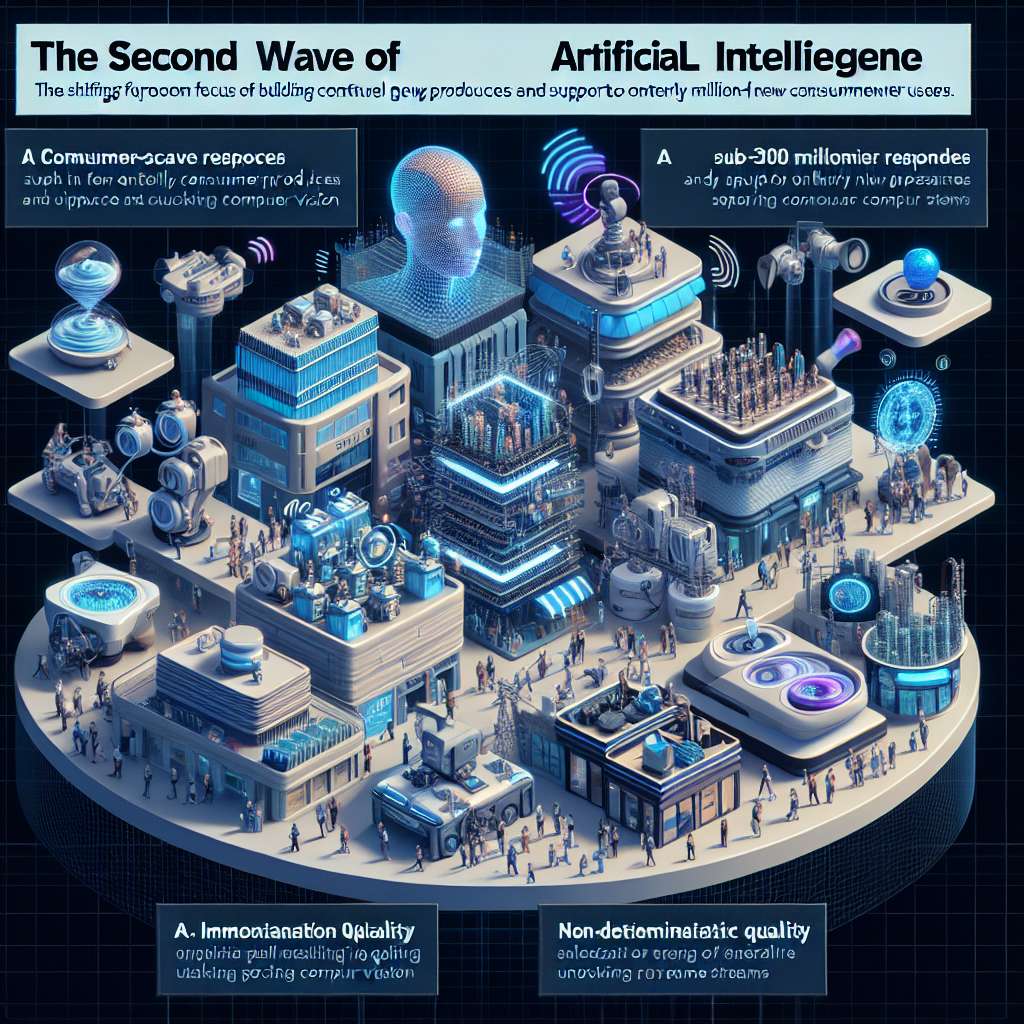
A new generation of startups is shifting Artificial Intelligence from back-office cost cutter to the core engine of consumer products in news, fitness, and gaming.
Observability in generative artificial intelligence with Microsoft Foundry
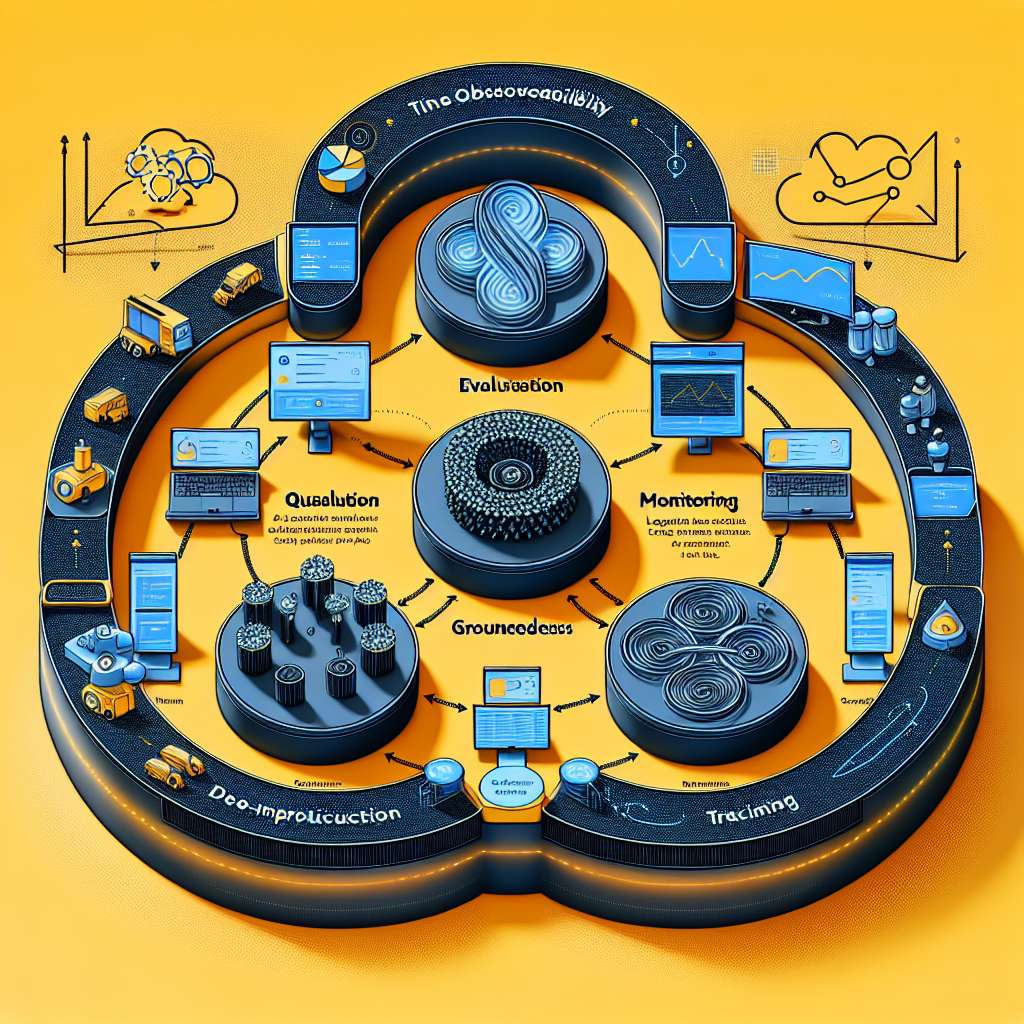
Microsoft Foundry introduces an observability stack for generative artificial intelligence applications that unifies evaluation, monitoring, and tracing across the full lifecycle. Teams can benchmark models, harden agents before deployment, and continuously monitor production traffic for quality, safety, and performance issues.
Klawsh launches Kubernetes style orchestration for artificial intelligence agents
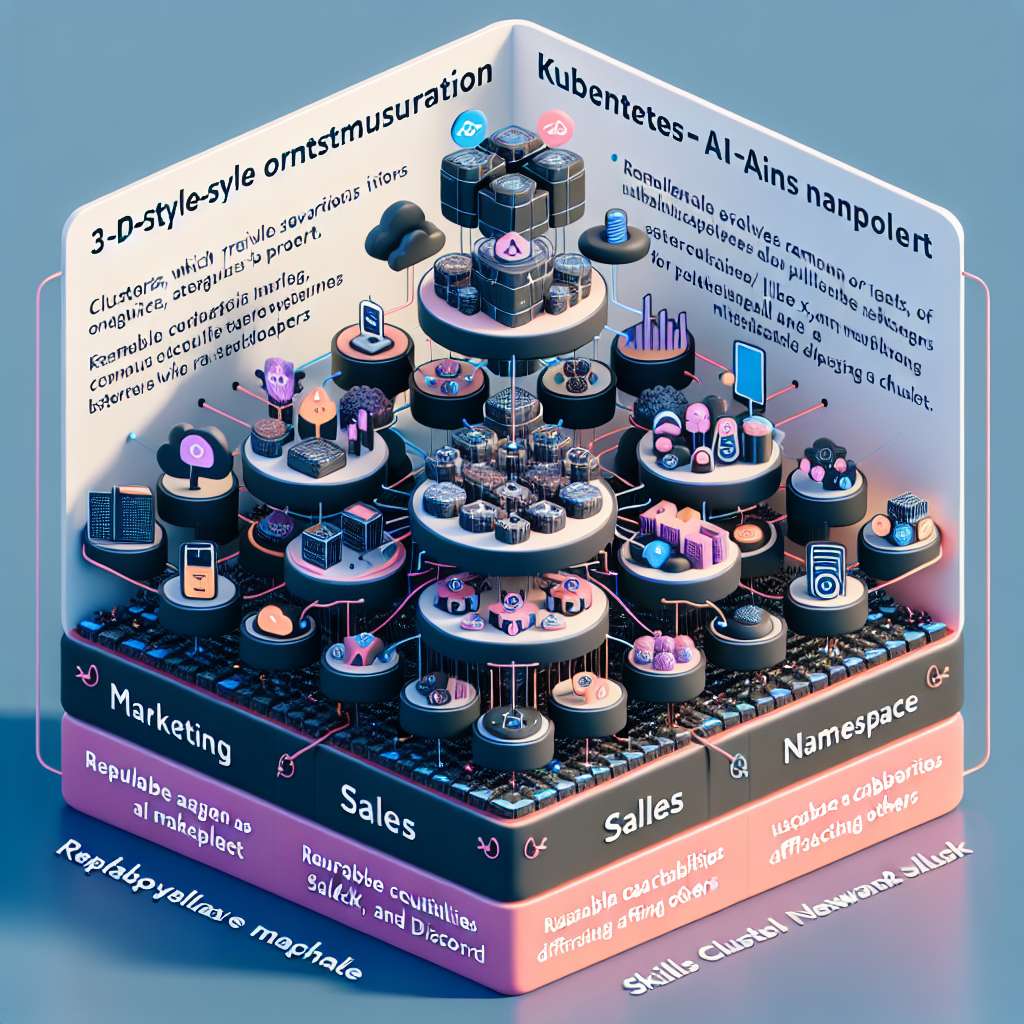
Klawsh introduces a Kubernetes inspired control plane for managing fleets of artificial intelligence agents across teams and channels, aiming to simplify deployment, isolation, and operations without requiring a Kubernetes cluster.
Contracting for agentic artificial intelligence shifts from SaaS to services
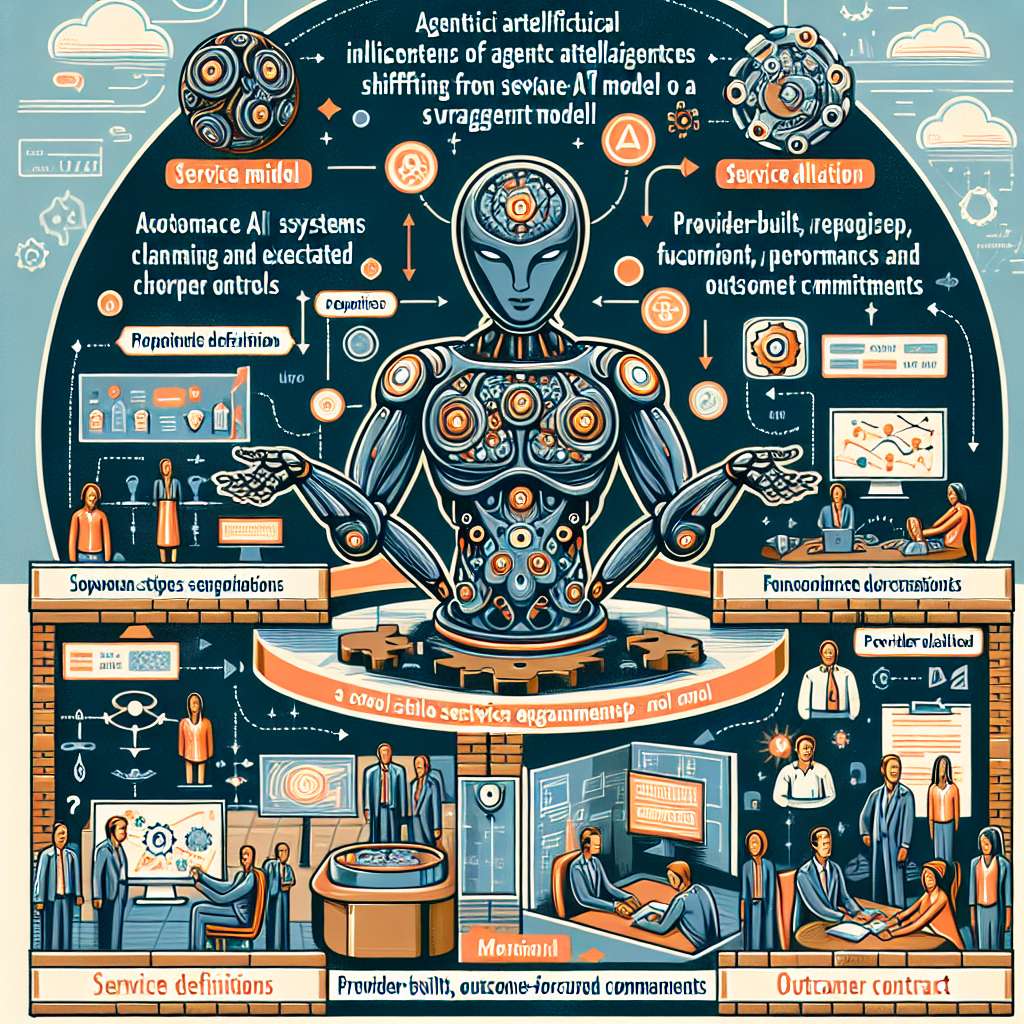
Enterprises adopting agentic artificial intelligence are moving away from pure SaaS contracts toward hybrid agreements that borrow heavily from business process outsourcing structures. The new model treats autonomous agents as service providers, with explicit scopes of authority, outcome-based guarantees, and tighter controls on liability and data use.
The two acts of artificial intelligence: infrastructure arms race and end user reality
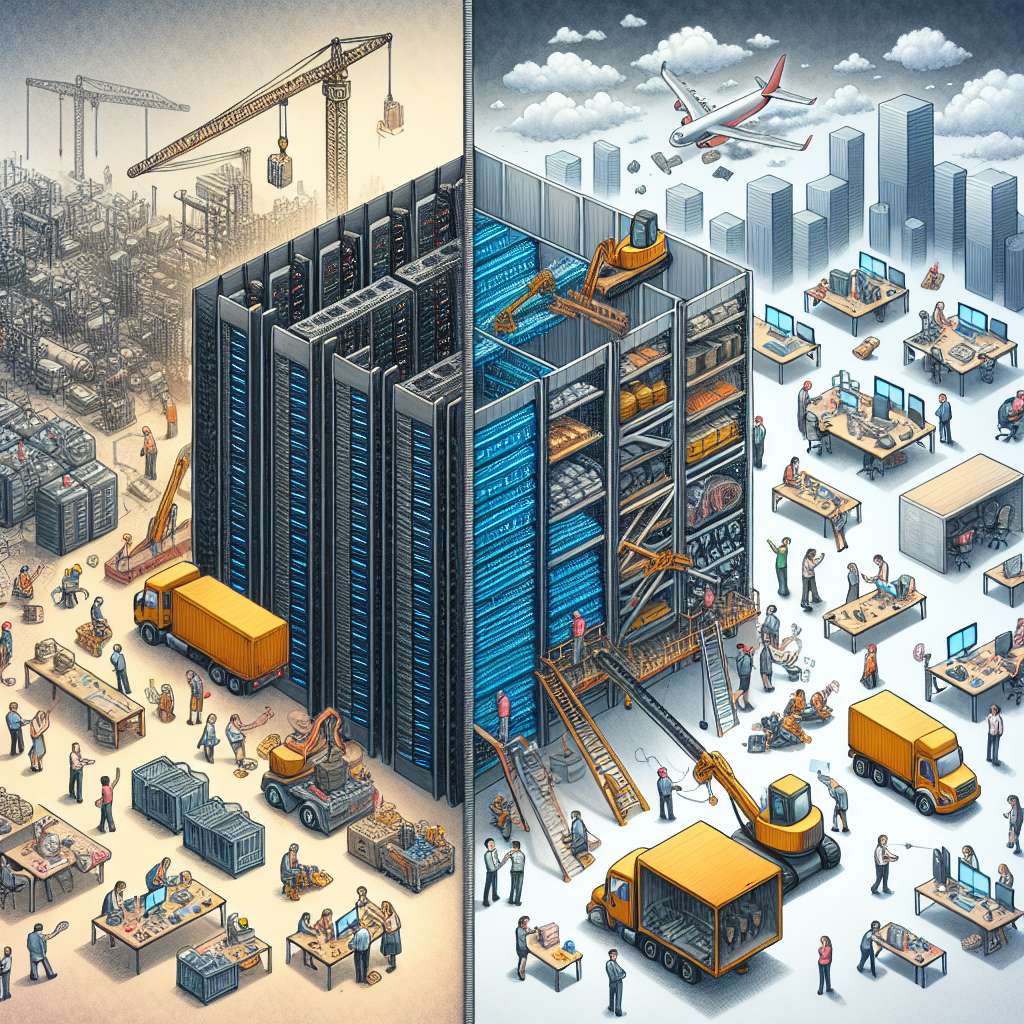
Tech giants are pouring unprecedented capital into artificial intelligence infrastructure even as real world adoption inside enterprises lags, creating tension between current hardware winners and uncertain future application leaders.
Broadcom moves to narrow artificial intelligence chip lead with Nvidia

Broadcom is working to close a competitive gap in artificial intelligence chips with Nvidia, as investors push deeper into semiconductor names tied to data center demand.