
Intel Nova Lake-S desktop chips target 74 TOPS neural processing for Copilot+

Intel is preparing Nova Lake-S desktop processors with an NPU rated at 74 TOPS, positioning the lineup to comfortably exceed Microsoft Copilot+ acceleration requirements and compete with AMD’s upcoming Ryzen Artificial Intelligence 400 series.
CXMT ramps up HBM3 mass production to support Chinese artificial intelligence chips
ChangXin Memory Technologies is moving into mass production of HBM3 modules, signaling a major expansion of China’s domestic high-bandwidth memory supply for artificial intelligence accelerators and mainstream computing partners.
Applied Materials debuts new transistor systems for 2 nm logic chips
Applied Materials is rolling out new deposition, etch and materials modification systems designed to enhance performance and energy efficiency for 2 nm-class Gate-All-Around logic chips used in Artificial Intelligence computing.
AMD Medusa Halo APU set to pair Zen 6 and RDNA 5 with LPDDR6 memory
AMD’s upcoming Medusa Halo Ryzen Artificial Intelligence MAX APU is rumored to combine up to 24 Zen 6 cores and 48 RDNA 5 compute units with a wide LPDDR6 interface. Early LPDDR6 modules from Samsung and Innosilicon highlight the bandwidth and efficiency gains this platform could tap.
ByteDance’s Seedance 2.0 video model sparks copyright and misinformation concerns

ByteDance’s Seedance 2.0 is drawing intense interest for its lifelike, audio-synced video generation while provoking fresh scrutiny over copyright, training data and misinformation risks.
Cisco unveils new infrastructure for secure agentic artificial intelligence

Cisco introduced new silicon, systems, and security capabilities designed to support large scale, secure deployments of agentic artificial intelligence across data centers and sovereign environments.
Cisco launches Silicon One G300 to scale gigawatt artificial intelligence data centres

Cisco has introduced the Silicon One G300 chip to power gigawatt-scale artificial intelligence data centres, promising 28% faster job completion for agentic workloads and tighter integration of networking, cooling and management. The platform targets hyperscalers and enterprises looking to maximise GPU utilisation as artificial intelligence clusters expand.
Databricks CEO says software as a service will be transformed by artificial intelligence interfaces

Databricks is using large language model interfaces to drive rapid revenue growth while arguing that software as a service will persist but become largely invisible as natural language replaces traditional user interfaces.
Toolformer lets language models teach themselves to use external tools
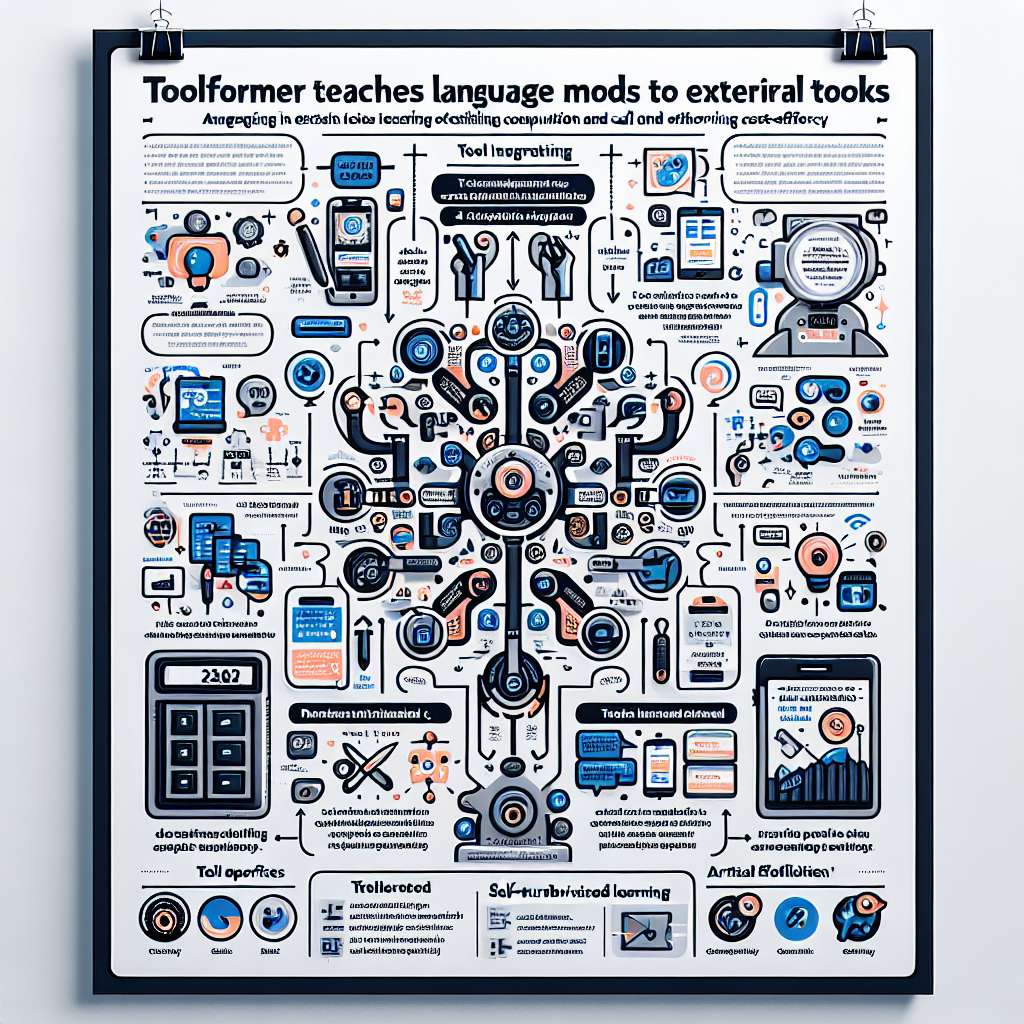
Meta researchers introduce Toolformer, a language model training method that enables self-supervised learning of when and how to call external tools via simple APIs, such as calculators and search engines, without sacrificing core language abilities.
How to build low latency voice agents with the OpenAI API
OpenAI outlines two main architectures for building voice agents and explains how to design prompts, handle audio, and integrate specialized models for real world use cases.