
Using Veo 3 for Artificial Intelligence-generated video

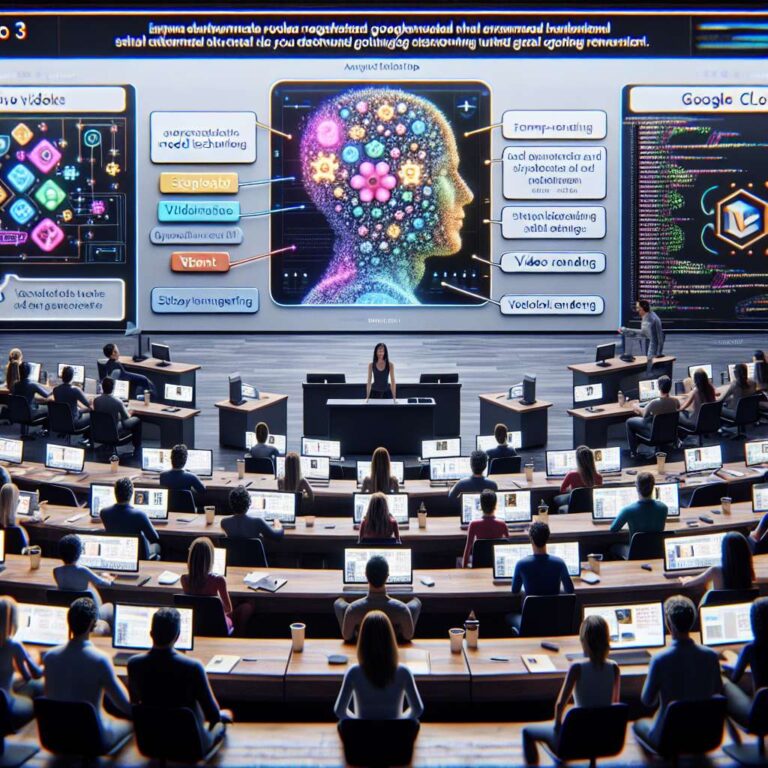
Instructor Lynn Langit leads a course on using Google Veo 3 to create photo-realistic, Artificial Intelligence-generated movies and on integrating Veo with Google AI Studio and Google Cloud Vertex AI tools.

Instructor Lynn Langit presents a course focused on using Google Veo 3 to produce Artificial Intelligence-generated, photo-realistic movies. The course emphasizes advanced techniques in video prompts and explains how Veo 3 differs from Veo 2, outlining the benefits of the newer version. Participants will learn best practices for prompting and for customizing subjects, actions, and styles to shape dynamic, realistic video output.

The curriculum covers practical integration with Google AI Studio and the Google Cloud Vertex AI toolset, showing how these platforms work together to streamline video generation workflows. The class also addresses programmatic enhancement of the video creation process through Google Colab Notebooks. Instruction centers on combining prompt design, model selection, and scripting to produce consistent, high-quality results while leveraging platform features for scale and reproducibility.

The course is positioned for creatives, video professionals, and anyone interested in producing high-quality videos at scale using Artificial Intelligence tools. It highlights hands-on techniques for tailoring outputs to specific creative goals and for adopting workflow practices that support professional video projects. A Learn More link is provided in the original listing for students who want to access the full course details on the hosting platform. The offering aims to help practitioners enhance projects with sophisticated Artificial Intelligence video tools and to expand practical skills in prompt engineering and platform integration.
65

Impact Score

OpenClaw pushes autonomous Artificial Intelligence agents into enterprises

OpenClaw’s rapid growth is accelerating interest in persistent, self-hosted autonomous agents that run continuously instead of waiting for prompts. NVIDIA is positioning NemoClaw as a more secure reference implementation for organizations that want local control, auditability and hardened deployment defaults.

Indiana launches Artificial Intelligence business portal

Indiana is rolling out IN AI, a statewide portal meant to help employers adopt Artificial Intelligence with practical guidance, workshops and peer support. State leaders and business groups are positioning the effort as a way to raise productivity, wages and job growth while keeping workers at the center.

Goodfire launches model debugging tool for large language models

Goodfire has introduced Silico, a mechanistic interpretability platform designed to let developers inspect and adjust model behavior during development. The company is positioning it as a way to give smaller teams deeper control over open-source models and more trustworthy outputs.

Nvidia launches nemotron 3 nano omni for enterprise agents

Nvidia has introduced Nemotron 3 Nano Omni, a multimodal open model designed to support enterprise agents that reason across vision, speech and language. The launch extends Nvidia’s push beyond hardware into models and services while targeting more efficient agentic workflows.

Contact Us

Got questions? Use the form to contact us.

Contact Form

Clicking next sends a verification code to your email. After verifying, you can enter your message.