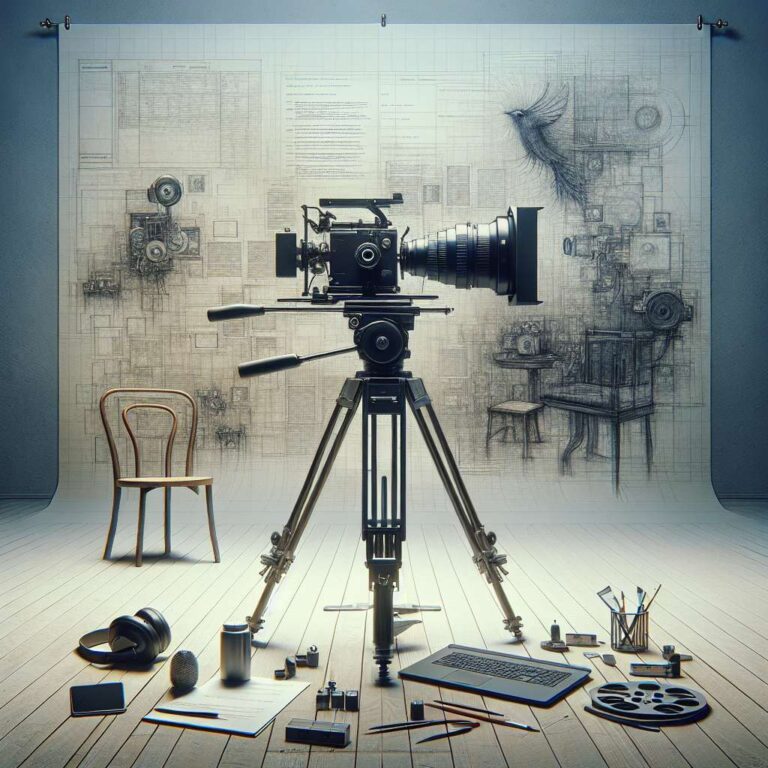
Artificial intelligence has rapidly changed how short films are conceived and produced. Modern tools reach beyond simple automation to assist across the filmmaking pipeline: brainstorming, scriptwriting, storyboarding, scene generation, voice synthesis, editing, and sound design. That shift makes cinematic work more accessible to solo creators and small teams who lack big budgets or large production crews. The result is a lower barrier to entry and a faster path from idea to finished piece.
In pre-production, artificial intelligence can accelerate concept development. Scriptwriting models turn rough ideas into structured scenes in minutes and can generate mood boards from text prompts to guide visual tone. Storyboarding tools produce image frames from scene descriptions, helping to plan camera angles, lighting, and blocking before any physical shoot. Creators can also generate characters and voices digitally; animation platforms create stylized or realistic figures while text-to-speech systems produce natural-sounding dialogue in multiple languages. These capabilities shorten timelines and let filmmakers iterate rapidly on creative choices.
Scene generation and cinematography features let platforms output cinematic sequences from simple prompts that describe setting, weather, or time of day. Some tools simulate camera movement, depth, and motion blur to give renders a professional finish. In post-production, artificial intelligence editing tools trim footage, match cuts to beats, enhance color, and sync audio with minimal manual intervention. Complementary music and sound design systems compose scores and generate ambient effects that fit a scene´s mood, creating cohesive soundscapes without hiring large teams.
Despite the advantages, artificial intelligence has limits. Generated visuals and voices sometimes lack subtle emotional nuance or organic motion, so human oversight remains essential; creators will often refine lighting, re-record lines, or tweak animation to reach desired quality. For beginners, the best approach is gradual: start with one tool, learn its strengths, then layer additional capabilities. Looking ahead, continued improvements promise more realistic characters and complex action sequences. Combined thoughtfully with human vision, artificial intelligence becomes a collaborative tool that expands creative possibilities rather than replacing the filmmaker.