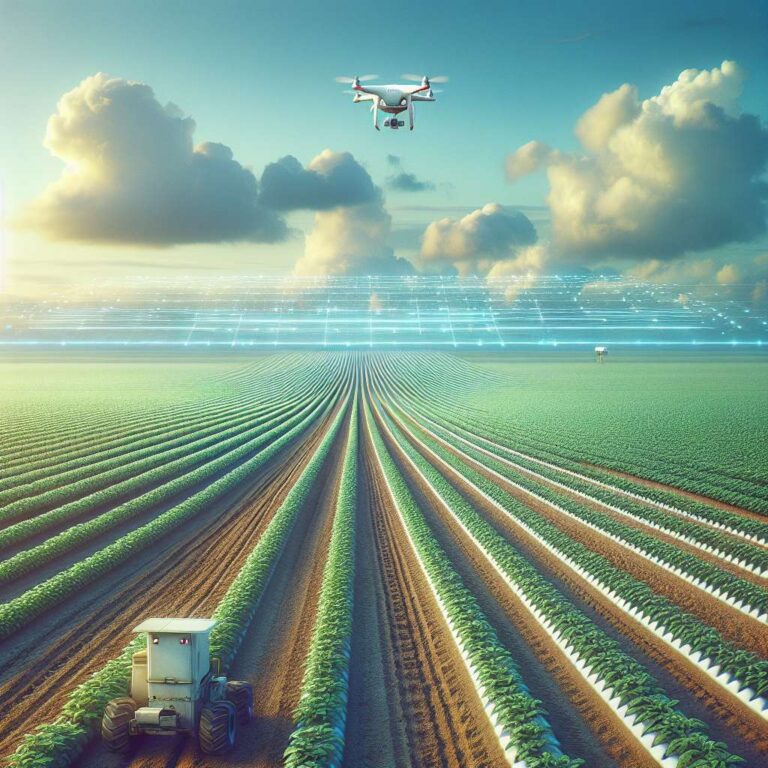
Farming is moving from seasonal intuition to continuous data-driven management. Over the past few years seven clear areas of advancement have emerged: precision farming, robotics for field labor, crop breeding and genetics, supply chain analytics, environmental monitoring, predictive early warning systems and edge computing with enhanced connectivity. Research-led trials and industry reports cited in the original analysis point to measurable gains, including yield increases of up to 30 percent in targeted trials and wide adoption forecasts that put more than 60 percent of large farms on artificial intelligence analytics by 2025.
Precision farming sits at the center of this shift. Satellite multispectral imagery, drones and on-farm IoT sensors feed machine learning models that produce yield maps and variable rate application prescriptions. Drones detect nutrient stress and disease early, while yield mapping and VRT reduce wasted inputs. Robotics is closing the labor gap: autonomous tractors, computer-vision weeding robots and robotic harvesters perform planting, weed control and picking with growing accuracy. In genetics and breeding, machine learning accelerates marker discovery for drought tolerance and disease resistance, shortening breeding cycles and tailoring varieties to local conditions. On the commercial side, predictive analytics and blockchain-enabled traceability help forecast demand, reduce post-harvest waste and connect growers to buyers with transparent records.
Environmental benefits are central. Smart irrigation guided by satellite and edge models cuts water use; carbon footprint monitoring and optimized chemical application lower emissions and runoff. Predictive models combine weather satellites, historical records and sensor data to issue pest, disease and weather alerts so farmers can act before losses mount. Edge computing and improved connectivity mean those decisions can be made in real time even when networks are patchy, bringing sophisticated advisory services to remote and smallholder farms.
One commercial example highlighted is Farmonaut, a satellite-driven platform that bundles multispectral monitoring, a real-time advisory called Jeevn AI, blockchain traceability and developer APIs. The platform demonstrates how subscription and API models can scale the same capabilities for family farms and large enterprises. Taken together these seven advancements form an integrated toolkit that boosts productivity, reduces resource use by substantial margins and strengthens resilience against climate and labor shocks. Adoption will determine how quickly those benefits translate into more secure and sustainable food systems worldwide.