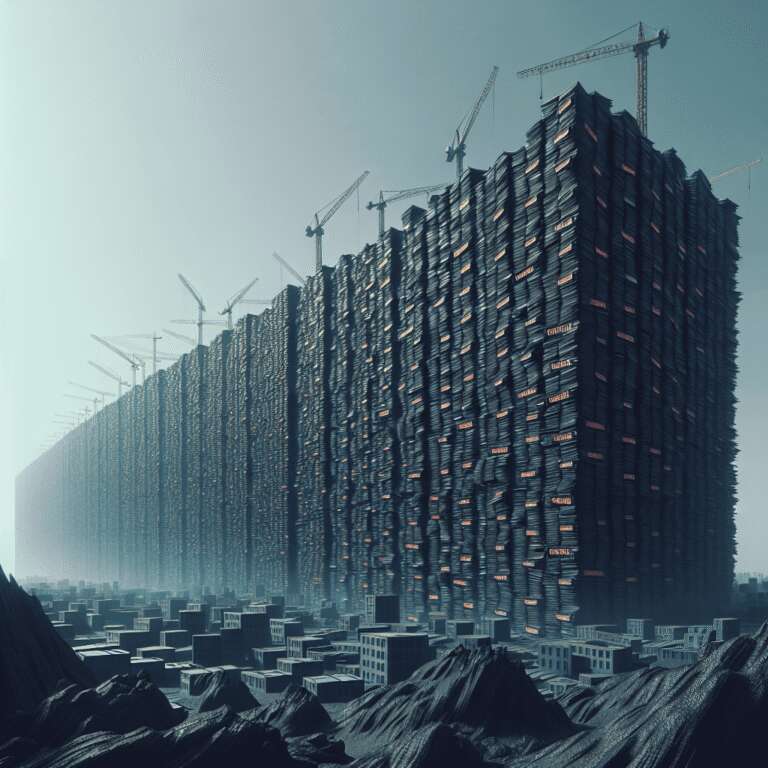
The Trump administration has abruptly terminated National Science Foundation funding for over 100 climate change studies, a move that will likely withhold tens of millions of dollars from ongoing and approved research. This action, according to an MIT Technology Review analysis, directly impacts projects already in progress and signals a sharp shift in the United States´ approach to environmental science. Many observers perceive the cuts as part of a wider strategy to weaken the influence of academic institutions and suppress scientific findings that conflict with the administration´s political agenda.
In a very different vision for transformative technology, architect Arnhildur Pálmadóttir is pushing the boundaries of construction by proposing cities built from repurposed lava. Dubbed ‘Lavaforming,’ her five-year research initiative outlines novel techniques to harness volcanic material directly from eruptions. With help from her colleague and son, Arnar Skarphéðinsson, Pálmadóttir has identified three methods that could revolutionize housing by converting an abundant geological resource into durable urban environments. This ambitious project not only reimagines urban design but also questions the sustainability of traditional building materials.
Meanwhile, the tech landscape is rife with pressing stories: the United States struggles to keep pace with China´s rapid advances in fields from drones to humanoid robotics, and the political battle lines extend into digital trade. In Brazil, citizens soon will have the unprecedented right to sell their digital data, signaling shifts in privacy and monetization. The Trump administration´s anti-vaccine rhetoric is drawing criticism for undercutting crucial mRNA trial funding, heightening scientists´ concerns about public health impacts. Conversations about artificial intelligence also surface, from concerns about chatbots influencing users to the use of generative technology by chefs and legal professionals, despite reliability issues. On the genetics front, revolutionary ancient-DNA sequencing is mapping extinct species and human histories in new detail, opening doors to practical benefits in the present. Across these diverse fronts, technology, policy, and creativity are tightly intertwined, shaping not just scientific discourse but also society´s broader trajectory.