
Trump Tariffs Expected to Raise Tech Industry Costs

The introduction of new tariffs by Trump is anticipated to surge expenses for companies such as Apple, Tesla, NVIDIA, and Intel in the tech sector.

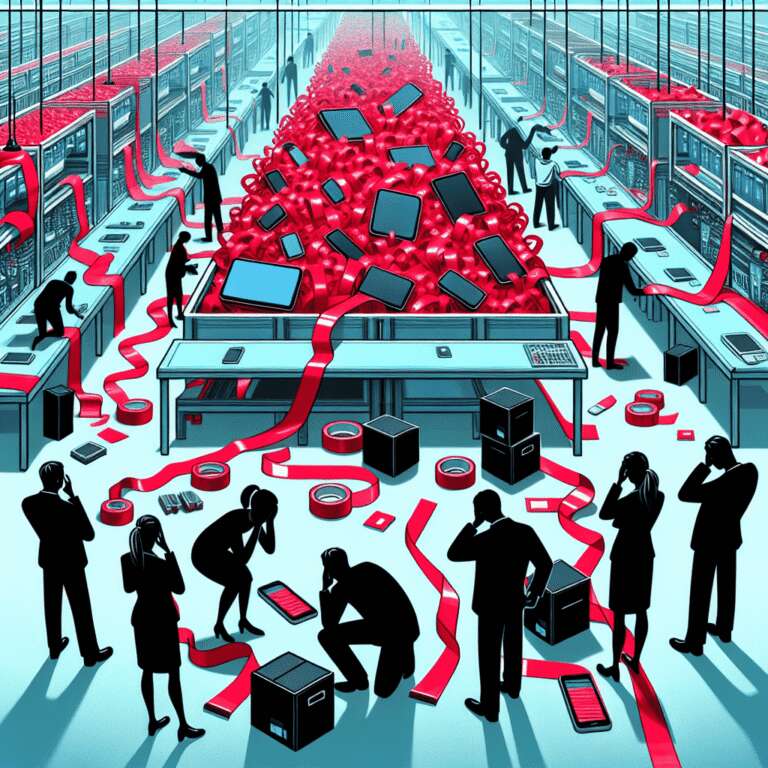
The introduction of new tariffs by former President Trump is set to significantly impact the technology industry, escalating costs for major firms reliant on Chinese markets. Companies like Apple and Tesla, which depend on Chinese manufacturing and sales, are expected to face increased financial pressure. Additionally, leading semiconductor manufacturers such as NVIDIA and Intel, which supply Artificial Intelligence hardware, are likely to see their costs rise as well.

The trade tensions between the United States and China have been a continuous source of volatility for the tech sector, which is heavily dependent on international supply chains and global sales. The tariffs are anticipated to not only increase manufacturing costs but also lead to an escalation in prices for end consumers, ultimately affecting demand for tech products.

Industry analysis suggests that while some firms may attempt to absorb these additional costs in the short term, many will potentially pass them onto consumers, leading to higher prices for electronics and influencing purchasing decisions globally. This scenario underscores the broader economic implications of tariff policies, extending beyond immediate cost increases to strategic supply chain realignments and long-term market adjustments.
56

Impact Score

Finance officials raise banking security concerns over Anthropic’s mythos model

Anthropic’s Claude Mythos has prompted urgent discussions among finance ministers, central bankers and banks over the risk that advanced cyber capabilities could expose weaknesses in critical financial systems. Governments and financial institutions are being given early access to test and strengthen defences before any broader release.

Uk delays Artificial Intelligence copyright reform

The UK government has postponed immediate copyright reform for Artificial Intelligence, leaving developers, creatives, and rightsholders to operate under existing law. Licensing, transparency, digital replicas, and future litigation are now set to shape the next phase of policy.

Memory architecture is central to autonomous llm agents

Memory design, not just model choice, determines whether autonomous agents can sustain context, learn from experience, and stay reliable over time. A practical framework centers on how information is written, managed, and read across multiple memory types.

Contact Us

Got questions? Use the form to contact us.

Contact Form

Clicking next sends a verification code to your email. After verifying, you can enter your message.