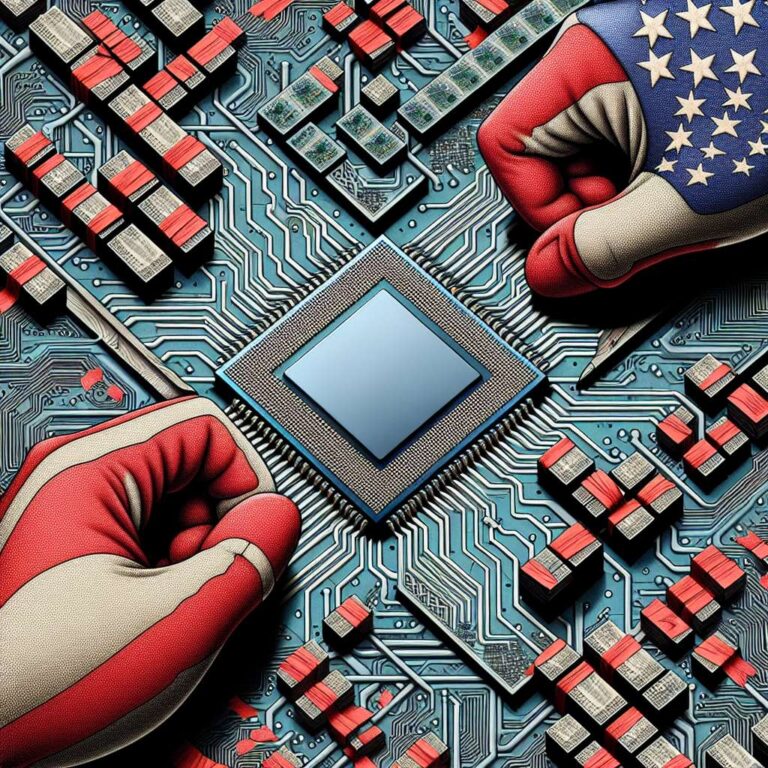
The US semiconductor sector has faced a whirlwind of developments in 2025 as it remains at the epicenter of both commercial and geopolitical struggles. The year began with a strong focus on Artificial Intelligence, underscored by policy debates, shifting executive orders, and high-level endorsements of chip export restrictions. Industry figures like Anthropic´s Dario Amodei called for stricter controls, while regulatory actions under both the Biden and Trump administrations resulted in fast-changing frameworks regulating where advanced chips could be sent, particularly with China under continued scrutiny. Former president Joe Biden attempted to establish a three-tiered export structure in his last days in office, but this was quickly rescinded by the incoming administration in favor of new, less-defined policies.
Major players such as Intel, Nvidia, and AMD experienced significant upheavals. Intel brought back Lip-Bu Tan as CEO, marking a return to an engineering-first approach and immediately initiating layoffs, business unit spinoffs, and operational pullbacks—such as halting investments in Germany and Poland. Nvidia, meanwhile, found itself at the mercy of new licensing requirements for its H20 Artificial Intelligence chips, resulting in financial hits and a strategic decision to exclude China from future earnings guidance. Relations between the US and China further deteriorated over regulatory efforts, with the Trump administration leveraging chip sales as a bargaining tool in rare earth element trade talks, while Malaysia imposed new export permit rules to combat chip smuggling.
Other highlights included AMD’s acquisition spree to accelerate its Artificial Intelligence hardware ambitions, including the team behind Untether AI and optimization startup Brium, as well as Enosemi for its silicon photonics capabilities. On the policy front, executive orders failed to clarify the future path for export restrictions, leading to confusion across government and industry. Additionally, high-profile deals—such as a multibillion-dollar commitment from the United Arab Emirates to acquire Nvidia chips—have been stalled by national security concerns. Within this turbulent landscape, the US government’s stance wavered, reflecting a broader uncertainty about how to balance innovation, economic interests, and security in a time when semiconductors are vital not only to Artificial Intelligence development but also to national competitiveness. The timeline reveals an industry that is reorganizing, consolidating, and fiercely protecting its place in the global Artificial Intelligence arms race, even as ongoing trade wars and shifting regulations obscure a clear path forward.