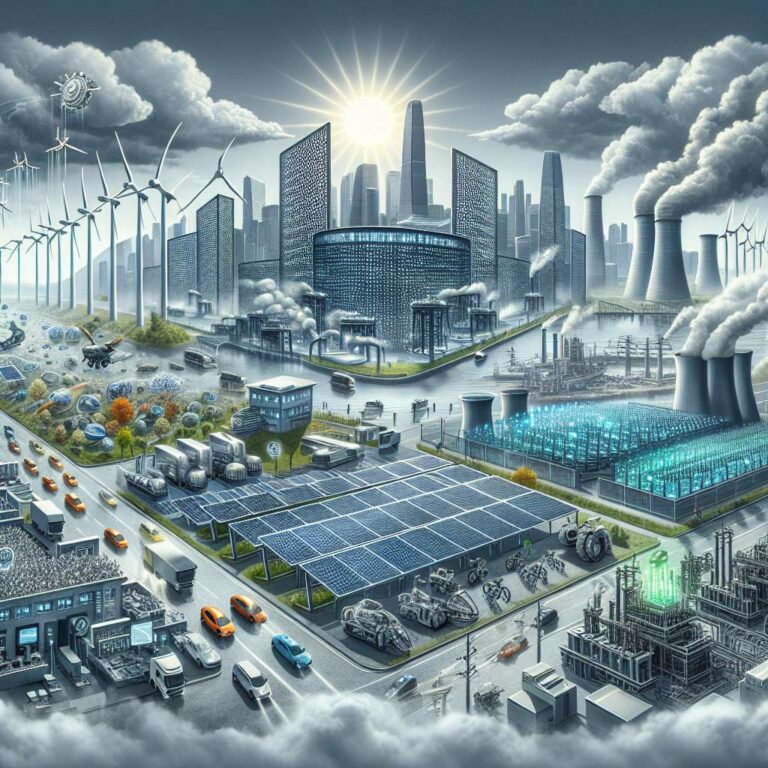
The latest 2025 Climate Tech Companies to Watch offers a chance to step back from daily headlines and assess broader shifts in the sector. This year’s process surfaced three clear takeaways: China’s outsized role in energy technology, growing attention to data center and Artificial Intelligence power demand, and a fertile landscape for materials innovation. The list aims to reflect where momentum is building and which companies could shape how the world addresses and adapts to climate change.
China’s influence looms large across clean energy. The country is leading in deploying wind and solar, expanding electric vehicles, and backing emerging fields like fusion energy. To reflect that reality, the list includes two Chinese firms in core segments: renewables and batteries. In 2024, Chinese manufacturers held the top four spots in global wind turbines, with Envision ranking second after adding 19.3 gigawatts of new capacity last year. Beyond wind, Envision is developing tools such as green hydrogen to help decarbonize heavy industries like steel and chemicals. On the storage front, HiNa Battery Technology represents China’s push beyond lithium ion with sodium ion cells that could be cheaper for some uses. HiNa’s batteries are already in electric mopeds and grid installations.
Rising electricity demand from data centers and Artificial Intelligence is another dominant theme, particularly in the United States. Even companies not directly focused on computing are positioning their technologies as solutions for a power-hungry era, with some landing major agreements that could finance commercialization. Kairos Power is building next-generation nuclear reactors and has a deal with Google for up to 500 megawatts of electricity from its first units through 2035. Redwood Materials is taking a more direct route, bundling used electric vehicle batteries into microgrids designed to power data centers. Its first system went live this year, a small but notable example of repurposing existing technology for new demands.
Materials remain a rich vein for climate innovation. An accompanying essay underscores that manufacturing, including cement and steel, accounts for 30% of global greenhouse-gas emissions, highlighting the need for breakthroughs in the essentials that scaffold modern life. Several list makers focus here. Cemvision targets cement’s hefty footprint, exploring alternative fuels and starting materials to clean up production that today contributes 7% of emissions. Cyclic Materials is building multiple facilities in North America to reclaim and recycle rare earth magnets, vital components in speakers, electric vehicles, and wind turbines. With only about 0.2% of rare earths from recycled devices currently recovered, scaling this effort could have an outsized impact. Together, the selections represent this moment in climate tech, spanning established energy solutions and novel materials poised to make a difference.