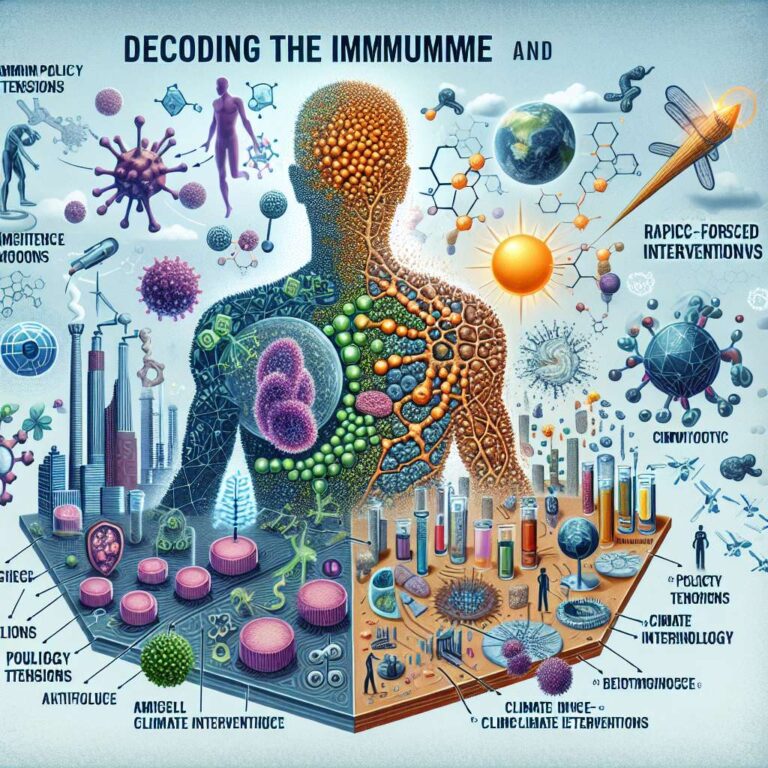
The lead story examines the human immunome, the vast and dynamic system made up of 1.8 trillion cells and trillions more proteins, metabolites, mRNA, and other biomolecules. Shaped by every physical and emotional exposure, it influences vulnerabilities to viruses and cancer, how we age, and even food tolerance. Although it has long been beyond the reach of medicine, a wave of new technologies is bringing the immunome into focus, opening the door to tools and tests that could improve how we assess, diagnose, and treat disease. The story is a collaboration between MIT Technology Review and Aventine.
In climate tech, the publication released its 2025 Climate Tech Companies to Watch, using the curation process to assess which industries are advancing or lagging, where regional shifts are happening, and who is poised to succeed. One standout is Swedish startup Cemvision, which targets the cement sector, a major source of climate pollution. By using waste materials and alternative fuels, the company aims to reduce emissions from one of the world’s most used materials, an industry that emits billions of tons of greenhouse gases annually. Cemvision is one of 10 companies on the list.
The must-reads roundup spans major technology flashpoints. OpenAI faced backlash over Sora and says it will let rightsholders decide how to proceed, while navigating tricky approvals and noting that video intellectual property is more complex than images. Apple removed another app tied to ICE that archived video evidence of abuses, as another effort to track raids went offline. With gaps in US government data, economists are turning to private firms, and China is tightening rare earth export controls to protect its leverage. Microsoft is pushing to build its own chatbot capabilities to rely less on OpenAI. Other pieces explore high schoolers forming relationships with Artificial Intelligence models and the ease of doing so with chatbots, the future of the Artificial Intelligence boom centered on a Dutch hub around ASML, Ferrari’s first electric car expected next year with four motors and more than 1,000 horsepower, and the enduring appeal of The Sims.
Finally, a feature critiques the rush toward extreme climate fixes. In 2022, entrepreneur Luke Iseman launched sulfur dioxide weather balloons from Mexico’s Baja California, a small do-it-yourself step toward solar geoengineering that aims to reflect more sunlight back into space. Proponents cite climate urgency even when effectiveness is uncertain, but experts argue that urgency does not grant a social license to ignore risks or bypass the scientific process.