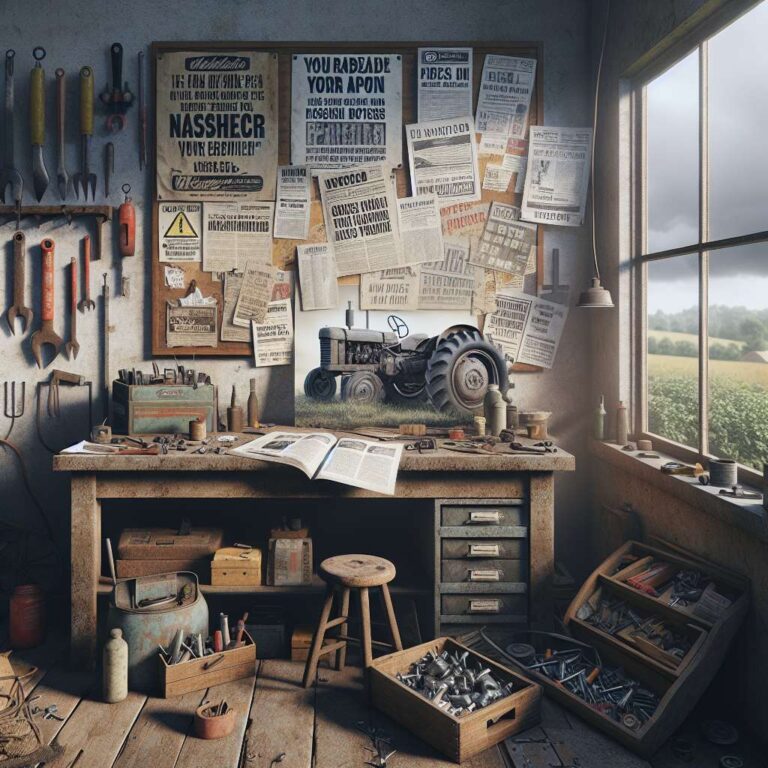
The download opens with a profile of Marcin Jakubowski, founder of Open Source Ecology, and his Global Village Construction Set. The set comprises about 50 machines, from a tractor to a circuit maker, designed to enable communities to build and maintain a self-sufficient life. Jakubowski’s project is presented as an ethos-driven effort to make life-changing technology broadly available rather than controlled by a few. The piece is from the latest print issue of MIT Technology Review and is highlighted by Tiffany Ng.
The newsletter also recaps a subscribers-only Roundtables conversation on what it is like to find yourself at the center of a conspiracy theory. Features editor Amanda Silverman and executive editor Niall Firth were joined by conspiracy expert Mike Rothschild to discuss how people cope when a narrative takes hold beyond their control. The bulletin includes a quote of the day intended to address misinformation: the US Department of Homeland Security’s X account said it had only ever been run and operated from the United States. The must-reads list collects headlines across outlets, noting that DOGE has been disbanded, coverage of how OpenAI’s tweaks to ChatGPT led some users into delusional spirals, the first gene therapy for Hunter syndrome in a three-year-old, and debate over whether we may be in an Artificial Intelligence bubble.
Other curated items include reporting on influencers based in Russia, India and Nigeria revealed by X’s provenance feature, the FBI’s interest in equipping drones with facial recognition, Snapchat’s plans to estimate user age ahead of an under-16s ban in Australia, activists roleplaying ICE raids in video games, and possible colossal stars uncovered by the James Webb Space Telescope. In a separate feature, Alexander C. Kaufman reports on Lilac Solutions’ efforts at the Great Salt Lake to commercialize a less environmentally damaging method to extract lithium from rocks, a development that could boost domestic supply. The newsletter closes with lighter items meant to brighten the day, from clever crows to human interest stories and small distractions for readers.