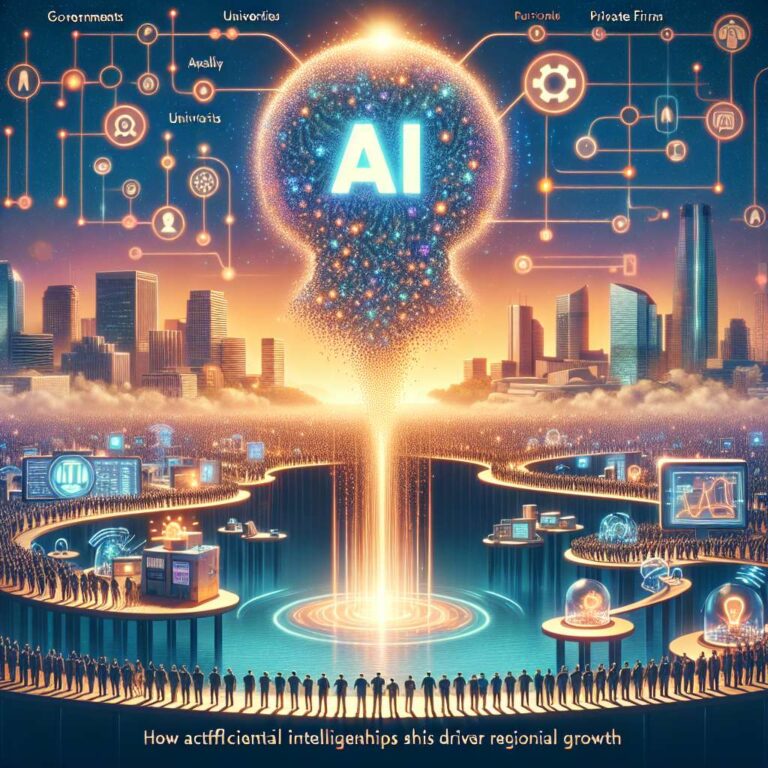
Artificial intelligence has emerged as a powerful catalyst for innovation and regional economic growth, fueling the development of ´AI Growth Zones´ across both established urban centers and evolving technology clusters. In cities such as London, Berlin, and Amsterdam, as well as hubs in Eastern Europe and Southeast Asia, collaborative efforts between governments, academia, and the private sector are pushing forward policies and infrastructure that enable businesses to adopt intelligent automation, predictive analytics, and data-driven decision-making.
However, the rapid rise of artificial intelligence introduces a significant talent acquisition challenge. The UK and other regions face acute shortages of data scientists, machine learning engineers, and artificial intelligence professionals, with job openings outstripping available expertise by tens of thousands. This bottleneck threatens to delay product launches, strain internal resources, and stall innovation. As a result, companies are rethinking traditional recruitment and development models, increasingly turning to partnerships with distributed artificial intelligence solution providers. Firms like 8allocate address these gaps by offering on-demand access to expert teams who guide full-cycle development, from minimum viable products to deployment at scale, aligning closely with business strategies and reducing operational risks.
Real-world applications underscore the value of such partnerships. For example, a major e-commerce company deployed an artificial intelligence copilot to assist customer service representatives, resulting in faster response times and higher satisfaction. Similarly, financial institutions utilize agentic AI to automate risk and fraud detection, streamlining processes and lowering false positives, while healthcare organizations apply analytics automation to improve diagnostic accuracy and reduce administrative costs. These innovations not only accelerate regional development but also help firms leverage the advantages provided by innovation districts—ecosystems where startups, research institutions, and businesses collaborate at speed. The article concludes that for regions and organizations seeking to remain competitive in an artificial intelligence-driven economy, partnering with experienced artificial intelligence solution providers is essential to overcoming talent bottlenecks, reducing risks, and ensuring scalable, future-ready growth.