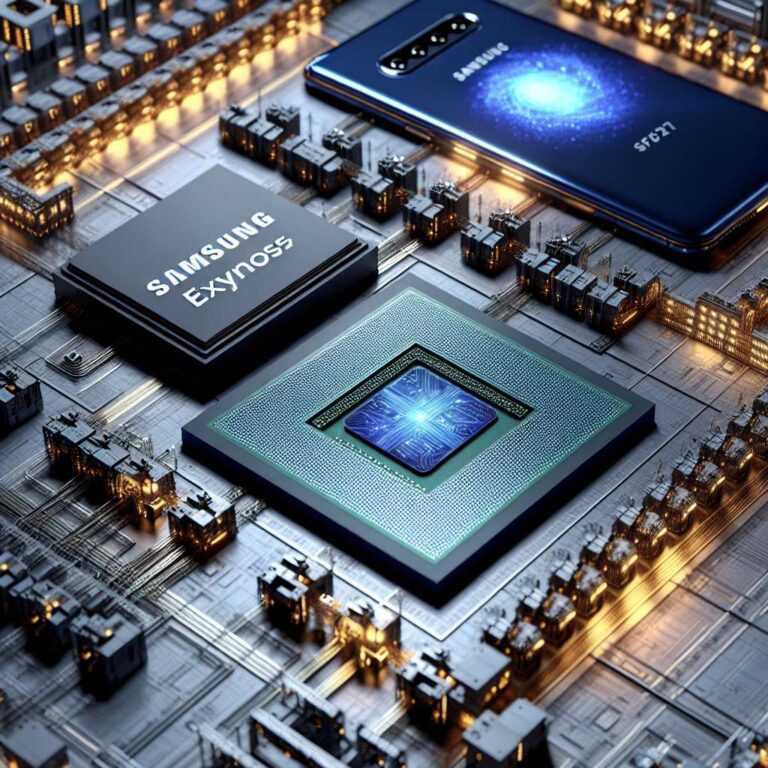
Samsung is preparing the Exynos 2600 application processor for a late February debut in next generation Galaxy S26 smartphone models, positioning the chip as part of a broader push around its 2 nm gate all around process, known as SF2. While public attention has centered on this first 2 nm node, early 2026 leaks indicate that development is advancing in parallel on SF2P, a more advanced manufacturing process, as well as on the next flagship mobile processor design, the Exynos 2700. These efforts reflect a dual focus on process technology leadership and tighter vertical integration across Samsung’s smartphone and semiconductor businesses.
Analyst Park Yu-ak of Kiwoom Securities predicts that “the Exynos 2700 will enter full-scale mass production in the second half of this year using Samsung Foundry’s SF2P process and will record a market share of around 50% in the Galaxy S27.” If realized, that scenario would mark a significant shift in Samsung’s processor mix toward its in-house silicon in a single flagship generation. By contrast, smartphone industry experts currently expect Exynos 2600 chipsets to deploy in only 25% of the upcoming Galaxy S26 series, with the remaining units powered by Qualcomm’s Snapdragon 8 Elite Gen 5 “for Galaxy” system on a chip. The implied strategy is to use the Exynos 2600 as a bridge while engineering and manufacturing for the Exynos 2700 mature on the SF2P node.
Mixed rumors about 2 nm gate all around node production yields have weighed on expectations for Samsung’s foundry business, yet Kiwoom Securities still forecasts an operating profit of 1.8 trillion won by 2027 for Samsung Electronics’ non-memory division. The outlook suggests confidence that yield challenges can be managed as SF2 and SF2P reach higher volumes and attract external customers. Over the past month or two, industry insiders have pointed to potential SF2 and SF2P contracts being discussed with companies such as AMD, Qualcomm, and Tesla, indicating that the same advanced process technologies underpinning future Exynos chips could become a foundation for broader foundry growth.