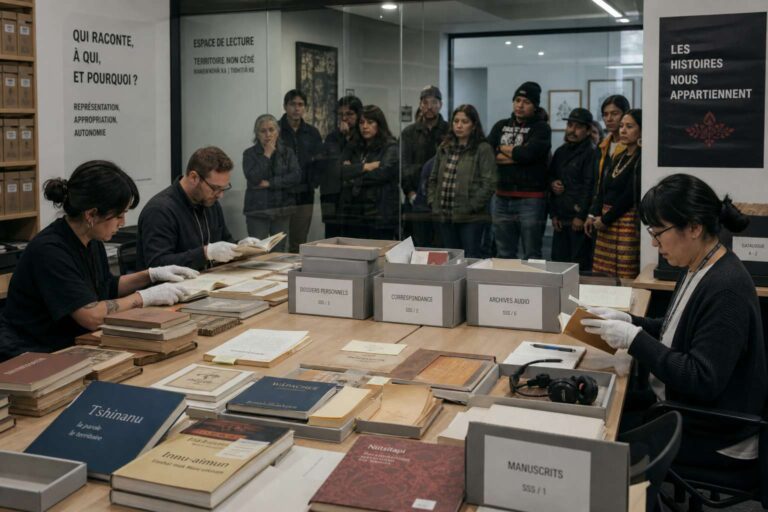
Quebec’s national library is building a database of cultural and government content designed to train Artificial Intelligence systems on French and Indigenous language data. Bibliothèque et Archives nationales du Québec, known as BAnQ, launched the experimental phase of the proposed databank after completing a feasibility study earlier in 2026. The initiative responds to a persistent problem in generative Artificial Intelligence systems, which often struggle to provide reliable answers about Quebec society, culture, and economy because of limited Quebec-related training data.
The issue has been recognized at the policy level for more than a year. A 2024 report by Quebec’s innovation council attributed the problem in part to the “very small quantity of data on Quebec” available in Artificial Intelligence training datasets. Researchers working on French-language Artificial Intelligence and digital technologies say Quebec culture remains underrepresented in current systems, while Indigenous peoples face an even greater risk of bias and omission. For businesses using generative Artificial Intelligence in customer communications, legal work, content production, marketing, or research, those gaps can translate into weaker performance on local regulations, cultural context, and language nuance.
BAnQ plans to start with its own collections before deciding whether to incorporate other sources. The databank is being framed as strategic infrastructure that could help define how local content is identified, catalogued, and tracked within Artificial Intelligence systems. The feasibility study envisions the platform becoming operational by 2029, with a five-year budget of nearly ?.5mn through 2030, including operating and capital costs. Officials say the timeline will be reassessed after the experimental phase and after discussions with cultural stakeholders, data owners, and providers.
The project also surfaces a broader conflict over creator compensation and Artificial Intelligence training data. Artists and content creators remain wary of contributing material, even if payment is offered, because licensed works could help build tools that reduce future contract opportunities. That unresolved tension mirrors wider debates across the creative industries about whether participating in Artificial Intelligence training markets creates long-term economic risk for creators. For businesses, Quebec’s move signals that governments are increasingly treating training data as strategic infrastructure and that regionally grounded Artificial Intelligence systems may become a larger policy priority.