Debates in central Arkansas over data centers needed to power Artificial Intelligence have become an early sign of a much broader policy challenge for the state. Concern over electricity and water use reflects only one part of the public unease surrounding Artificial Intelligence. In Fort Smith, police warned residents about an Artificial Intelligence-generated video that falsely showed an injured officer thanking the public and claiming he had returned home, underscoring how quickly the technology can be used to mislead communities.
Artificial Intelligence is expected to become one of the Legislature’s major issues next year, but the bigger task will be crafting a wider response to the technology’s risks and uses. Arkansas has already taken several steps. A measure enacted last year required agencies to create policies regarding authorized use of Artificial Intelligence. Another 2025 law expanded the definition of child sexual abuse materials to include images created using Artificial Intelligence. Earlier this year, Gov. Sarah Huckabee Sanders received a report on state adoption of the technology that recommended creating a chief artificial intelligence officer.
Lawmakers are also being pushed to prepare for the economic effects of automation and displacement. Arkansas needs a clearer plan for job losses that are likely to occur because of Artificial Intelligence and for the strain those losses could place on the state’s social safety nets. California, where thousands of tech workers have lost jobs because of Artificial Intelligence, is studying ways to soften those layoffs. Some ideas, including job subsidies, may not fit easily with Arkansas’ conservative politics, but they are part of the discussion the state may need to have.
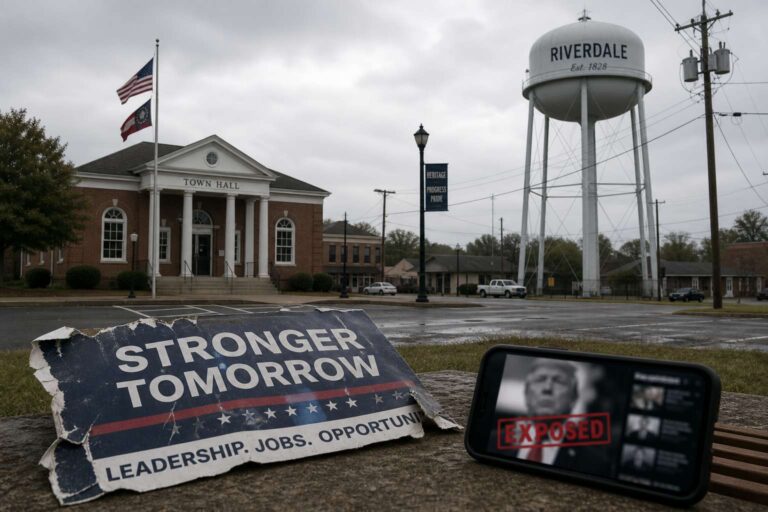
Misinformation and deepfakes are likely to demand urgent attention as well. The fake Fort Smith police video highlighted the need for agencies to guard against deception aimed at the public. The Legislature will likely need to decide whether to restrict or ban deepfakes in campaign advertising. At least 30 states already have laws on the books regulating the use of deepfakes in political messaging, according to the National Conference of State Legislatures. More protections are also needed as agencies assign more work to Artificial Intelligence, including the implementation of new Medicaid work requirements, so that humans remain responsible for decisions.
The debate is emerging as a bipartisan issue in a predominantly Republican Legislature, with Republicans and Democrats sharing concerns about Artificial Intelligence. The challenge will be holding a serious and calm discussion in a polarized climate. Dismissing critics of data centers as alarmists does little to address the wider reality that even if Arkansas does not move quickly, the technology will continue to evolve.