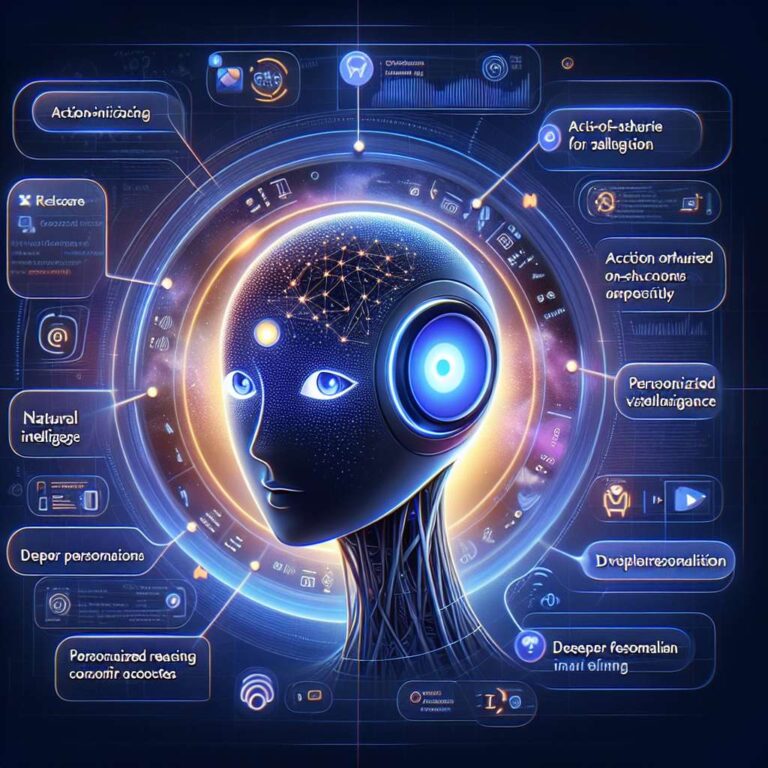
Project Astra is a research prototype from Google DeepMind that explores breakthrough capabilities for an eventual universal Artificial Intelligence assistant. The team says features developed with Project Astra are being integrated into Gemini Live, new Search experiences and new form factors such as prototype glasses. Over the past year the prototype has helped inform features like screen sharing and video understanding that are appearing in Gemini Live.
The prototype focuses on natural interaction, action intelligence and intelligent personalization. Natural interaction improvements include enhanced audio input and output for smooth cross-language communication, proactive responses that initiate or continue conversations without interruption, and context aware dialogue that filters out distractions and irrelevant speech. Action intelligence capabilities described include agent highlighting to mark what is important on screen, and tool use that allows the agent to operate with services like Search, Gmail, Calendar, Maps and interface controls to complete tasks on a user’s behalf.
Project Astra’s approach to personalization includes multimodal memory and personalized reasoning. The system can retrieve content a user has shared, such as a PDF or recipe, remember key details from prior interactions, and explain the reasoning behind recommendations. These features aim to tailor assistance across shopping, planning and other tasks while keeping context and preferences in view.
Accessibility is a central focus. Google DeepMind is developing a variant of Project Astra with the blind and low-vision community, including a Visual Interpreter research prototype that understands objects and unfamiliar spaces. The project partnered with visual interpreting service Aira and is offering a Trusted Tester program with professional human oversight. The site highlights individual use cases, for example musician Dorsey Parker, who uses Project Astra via phone, Lens and Maps to navigate and explore as his vision changes.
Project Astra runs on Android phones and prototype glasses and supports cross-device memory so conversations can continue when users switch devices. The team emphasizes safety and responsible development as the work advances, and invites interested users to join a waitlist for limited early access and testing.