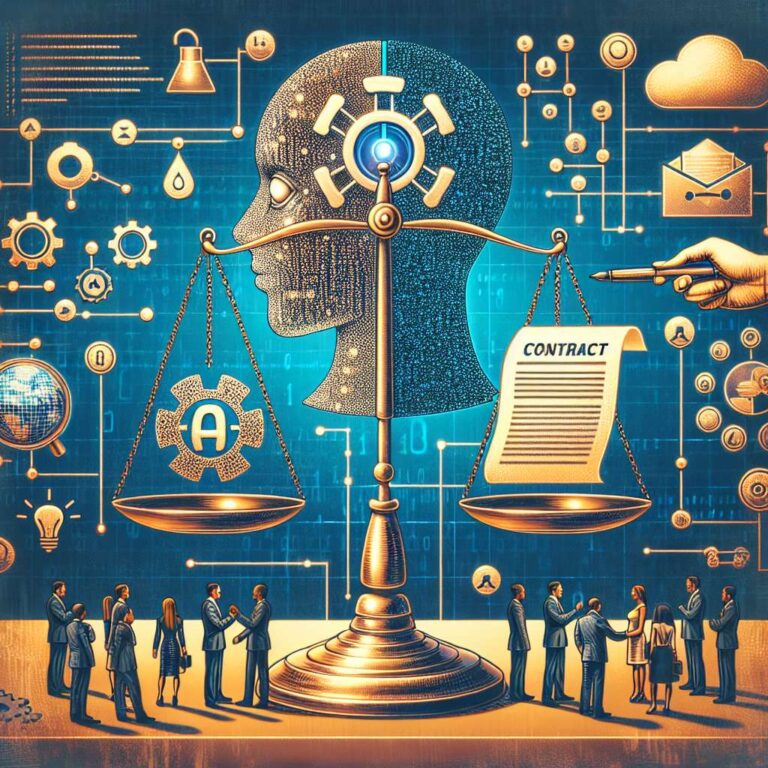
Ownership of Artificial Intelligence-generated content in licensing deals turns on authorship, intellectual property allocation, and clear contractual drafting. The article explains that traditional frameworks favor human creators but struggle when outputs are produced autonomously by Artificial Intelligence systems. Licensing agreements therefore must explicitly allocate rights among AI developers, users, and third parties. Common license structures cited include exclusive, non-exclusive, and hybrid models that balance control and accessibility. Effective contracts mitigate risk by defining whether ownership vests with the developer, the user, or is shared, while embedding standards for transparency and ethical use.
The piece breaks down the key parties and their responsibilities. Licensors must verify authenticity and ownership, implement oversight, and clearly define the scope and limitations of granted rights. Licensees need explicit usage terms covering exploitation, duration, territory, and any moral rights such as attribution or integrity. Third-party Artificial Intelligence providers complicate deals by imposing restrictions tied to training data, usage, or redistribution. Contractual clauses recommended include explicit attribution of ownership, rights to use, modify, and sublicense outputs, liability allocations, procedures to address ethical concerns, and data handling protocols to comply with privacy rules.
The article emphasizes unresolved legal ambiguities and practical challenges. Jurisdictional differences and the lack of clear statutory frameworks create uncertainty over authorship, infringement liability, and patent or trademark eligibility when human inventorship or authorship is absent. Case studies cited show disputes over whether human input or autonomous processes determine rights, and conflicts where training datasets were inadequately licensed. Looking ahead, the article anticipates standardized licensing protocols, enhanced transparency requirements, and hybrid ownership models that balance human and machine contributions. It also notes tax, copyright, and privacy considerations as essential components of any robust licensing strategy for Artificial Intelligence-generated works.