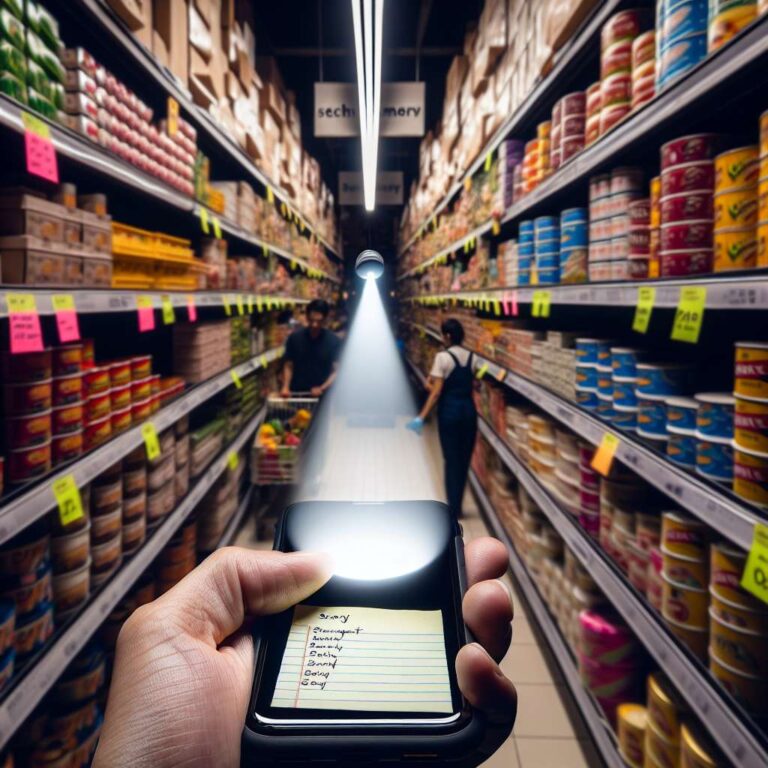
Artificial Intelligence is moving from speculation to storefronts, reshaping how consumers shop and how brands reach them. The technology is beginning to personalize the path to purchase in ways comparable to how the internet transformed retail decades ago, creating fresh opportunities for convenience while posing new hurdles for food manufacturers trying to get novel items in front of shoppers.
Major retailers are already testing the next wave of shopping assistance. Walmart introduced its Artificial Intelligence assistant, Sparky, across its platforms in June. The tool helps customers search for items, synthesize reviews, and surface insights for occasions. Walmart’s tech leadership says Sparky will expand to personalize experiences further, from automatically reordering household essentials to booking services, and will become multimodal by understanding text, images, audio, and video to fit seamlessly into daily shopping routines.
Consumers are noticing. In a survey of 1,000 people by the Acosta Group, 70% reported using one or more Artificial Intelligence tools to assist with shopping. Grocery leads adoption, with 36% saying they have used an Artificial Intelligence tool to research, browse, or buy, followed by health and wellness at 28%, electronics at 27%, and personal care at 25%. Reported benefits include saving money and time and comparing or learning about products. Younger shoppers are moving fastest: 53% of Gen Z Artificial Intelligence users find generative systems more trustworthy than traditional sources, signaling a rapid shift in how information is evaluated.
According to Acosta Group’s connected commerce leadership, generative Artificial Intelligence tools are becoming gatekeepers of the shopper journey. That means retailers and brands must rethink how they present themselves inside Artificial Intelligence-powered environments, build trust with consumers, and prepare for a future in which voice assistants and autonomous agents influence purchase decisions.
The implications extend to marketing and innovation. Acosta advises food and beverage marketers to pivot from broad campaigns to precision strategies that resonate with individuals across content and channels. Where the internet era demanded products appear on the first page of search results, success in an Artificial Intelligence-driven landscape will depend on appearing on personalized lists curated for each shopper. As a result, new product launches may require more patience, with longer lead times to capture attention and earn a place in these recommendation streams.