
Nvidia may cut GeForce RTX 50 production in early 2026 amid memory constraints

Asian supply chain reports suggest Nvidia could reduce GeForce RTX 50 series output in the first half of 2026 due to tight memory availability, with midrange Blackwell cards potentially seeing the earliest impact.

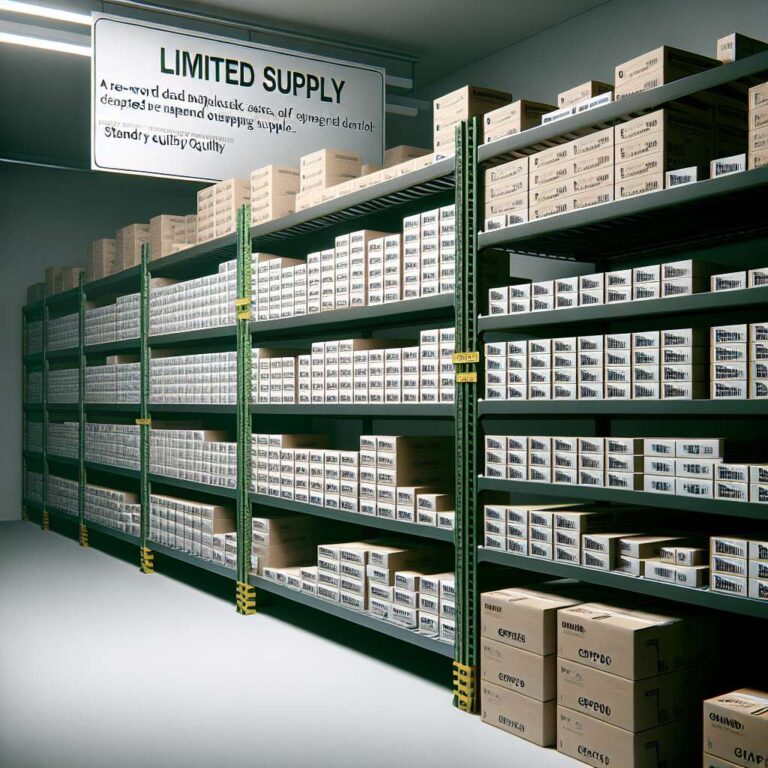
Reports from Asian supply chain sources suggest that Nvidia might cut back on making GeForce RTX 50 series GPUs in the first six months of 2026, with Videocardz relaying information from industry watchers. According to Board Channels, overall supply during H1 2026 could be down by roughly 30-40% compared to the same period in 2025, although the information remains unconfirmed and has not been addressed publicly by Nvidia. The report emphasizes that the situation is not driven solely by GPU VRAM constraints, but by broader tight availability across multiple memory types.

Board Channels points to constrained supply of GDDR6, GDDR7, and other memory components, including motherboard-related memory such as DDR5/DDR4, as contributing factors that may limit GeForce RTX 50 production. The outlet also claims Nvidia may adjust allocation strategies for add-in board partners in Mainland China to better match changing conditions in the local DIY market. These potential allocation shifts could influence which partners and regions receive priority shipments if supply remains under pressure.

Benchlife appears to support parts of the rumor, though it does not specify any percentage reduction and instead focuses on product mix. It reports that two models described as best value options in the Blackwell RTX 50 lineup, the GeForce RTX 5070 Ti and RTX 5060 Ti 16 GB, are likely to see the earliest supply adjustments. While both Board Channels and Benchlife have long and good track records, their reporting is based on regional sources that may not represent global supply dynamics. The article notes that Korean and Taiwanese outlets previously reported that AMD and Nvidia were already considering GPU output cuts, while ASUS and other vendors were slowing motherboard plans due to memory shortages, suggesting that the situation could evolve into a broader, global production adjustment by Nvidia rather than a move limited to specific markets.
54

Impact Score

What businesses need to know about the EU cyber resilience act

The EU cyber resilience act is turning product cybersecurity into a legal requirement for companies that sell digital products into the European Union. A key compliance milestone arrives in September 2026, well before the full regulation takes effect in 2027.

Claude Mythos and cyber insurance’s next inflection point

Claude Mythos is being treated by governments and regulators as a potential systemic cyber risk with implications for financial stability and insurance markets. Its emergence is intensifying pressure on insurers to clarify whether Artificial Intelligence-enabled cyber losses are covered, excluded, or require new stand-alone products.

OpenAI expands ChatGPT ads with self-serve manager

OpenAI is widening its ChatGPT ads pilot with a beta self-serve Ads Manager, new bidding options and broader measurement tools. The push signals a deeper move into advertising as the company expands the program into several international markets.

OpenAI launches Artificial Intelligence deployment consulting unit

OpenAI has created a new consulting and deployment business aimed at helping enterprises build and roll out Artificial Intelligence systems. The move mirrors a similar push by Anthropic and signals a broader effort by model providers to capture more of the enterprise services market.

SK Group warns DRAM shortages could curb memory use

SK Group chairman Chey Tae-won warned that customers may reduce memory consumption through infrastructure and software optimization if DRAM suppliers fail to raise output. Demand from Artificial Intelligence data centers is keeping the market tight as memory makers weigh expansion against the long timelines for new fabs.

Contact Us

Got questions? Use the form to contact us.

Contact Form

Clicking next sends a verification code to your email. After verifying, you can enter your message.