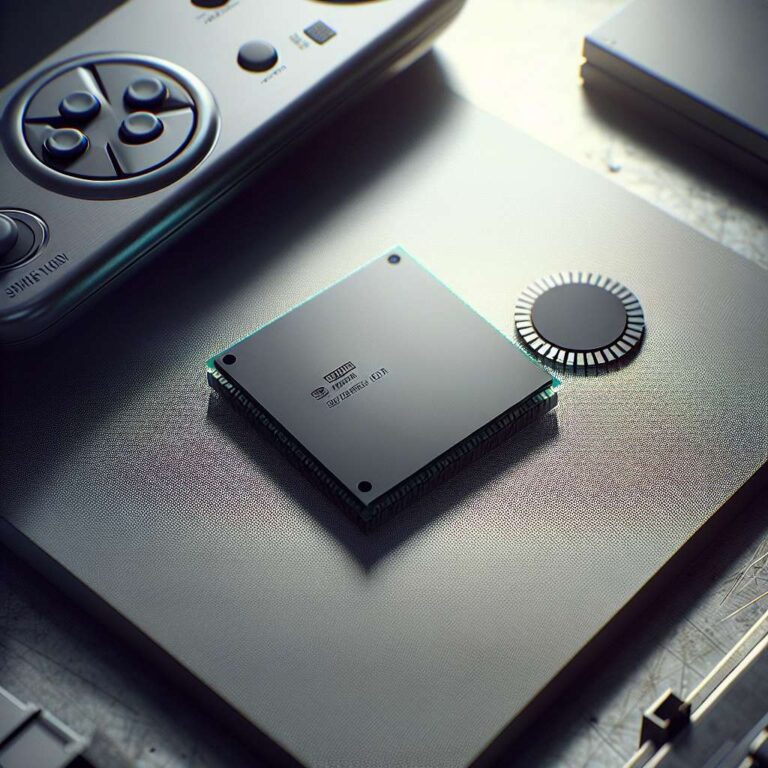
Nintendo is set to launch its highly anticipated Switch 2 hybrid console globally on June 4, powered by a custom processor developed in collaboration with NVIDIA. Unlike previous generations where Nintendo remained highly secretive, recent disclosures by both Nintendo and NVIDIA have shed light on the technical underpinnings of their partnership, breaking with the company´s tradition of strict confidentiality. During the original Switch era, TSMC was the chosen chip manufacturing partner, with the initial devices using a 20 nm NVIDIA Tegra X1 and subsequent revisions, including the OLED model, shifting to an improved 16 nm process. This shift signaled Nintendo´s readiness to adapt to more advanced technologies for better performance and efficiency.
Switch 2´s custom chipset, widely believed to be the NVIDIA Tegra T239, reportedly leverages Samsung´s 8 nm FinFET manufacturing node rather than returning to TSMC. Detailed leaks, including die shots from source disclosures in China, have indicated the chipset´s South Korean foundry origins. According to industry insiders, Samsung´s process is being favored for its stable production capabilities and overall process compatibility, vital factors for a reliable global console launch. There is increasing speculation that Samsung is aggressively courting a long-term production agreement for the Switch 2´s chipset, with discussions possibly extending to future die shrinks as analysis notes a large 207 mm² initial footprint. Furthermore, Samsung is believed to be leveraging its panel business by proposing additional OLED supply deals to Nintendo, reinforcing its role in the handheld gaming segment.
This newfound prominence of Samsung in the gaming console silicon market has been characterized as a significant industry milestone, particularly after periods where Samsung lagged behind leading competitors like TSMC. Reports suggest that the so-called ´tripartite cooperation´ between Nintendo, NVIDIA, and Samsung could herald broader shifts in the industry, drawing the interest of other major players such as AMD and Sony. There are emerging rumors that these firms, potentially seeking advanced capabilities including those harnessing Artificial Intelligence, might consider Samsung’s foundry for upcoming projects, possibly related to next-generation PlayStation hardware. For Samsung, this momentum could be crucial in regaining footing in the competitive foundry business, as industry experts pay close attention to its strategic gains in gaming and semiconductor manufacturing.