The newsletter opens by charting a resurgence of interest in commercial nuclear reactors, as mounting concerns over climate change and energy independence have begun to outweigh long standing fears about meltdowns and radioactive waste. The core challenge is that building nuclear power plants is expensive and slow, which limits how quickly they can replace fossil fuels. A new generation of nuclear power technology is trying to reinvent what a reactor looks like and how it operates, with advocates arguing that these designs could refresh the industry and help phase out fossil fuels without emitting greenhouse gases. This effort is highlighted as part of a broader list of 10 Breakthrough Technologies, framed as a key development in energy and climate innovation.
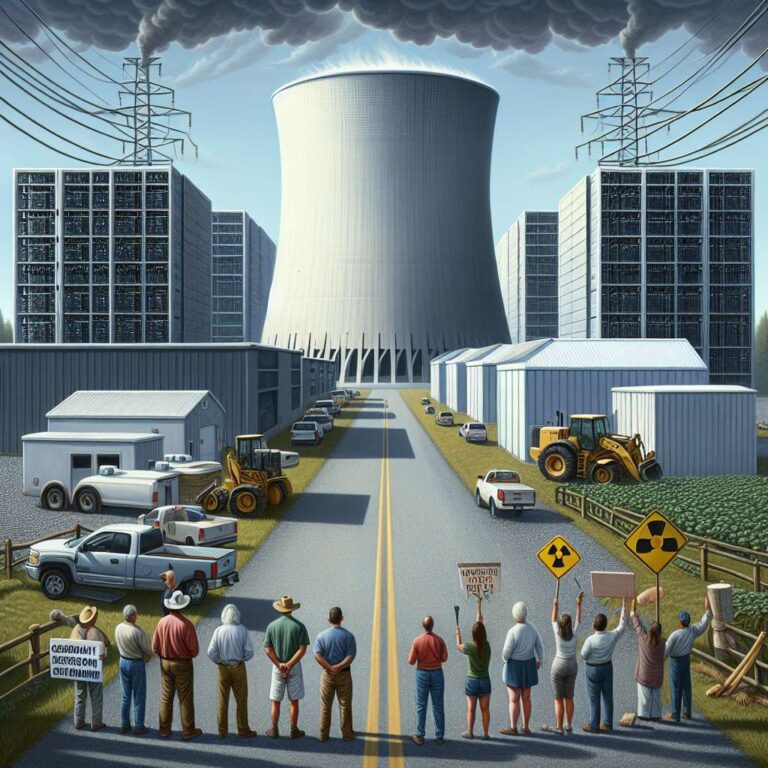
Alongside nuclear power, the newsletter examines the hyperscale data center as both an engineering marvel and a growing target of public anger. These facilities are praised as technological wonders, yet are widely disliked in communities that host them. Residents in states including Virginia, Nevada, Michigan, Arizona, South Dakota, and especially Georgia are pushing back, citing land use, environmental costs, and resource strains such as water consumption. The political dimension is intensifying, with reporting that Trump is trying to temper the data center backlash by urging technology companies to pay more and thus reduce people’s energy bills, and that Microsoft has become the first major technology firm to publicly promise to do this. The newsletter also flags broader anxieties over how power hungry Artificial Intelligence workloads make the scale of the data center energy problem difficult to grasp.
The must reads section ranges widely across global technology stories, from Iran’s systematic efforts to cripple Starlink despite the satellite internet service being designed to resist jamming, to scientific disputes over whether studies on microplastics harming humans are confounded by contamination and false positives. Climate coverage notes that US emissions jumped last year because of rising electricity demand and increased coal burning, even as coal power generation in India and China has finally started to decline and analysts spotlight several bright spots in climate news in 2025. Other items cover Elon Musk’s role in enabling harassment and a new US Senate bill to help non consensual deepfake victims, concerns that cuts and other issues could cause the US to lose the new race to the moon, and fresh advances in Artificial Intelligence such as Google’s Veo model generating vertical videos and Artificial Intelligence generated influencers posting fabricated images with celebrities.
Additional stories touch on accusations that former New York City mayor Eric Adams promoted a crypto token in a suspected pump and dump scheme, reassurance that middle managers’ skills are not likely to be replaced by Artificial Intelligence soon, and a study of 60,000 adults that found modest increases in sleep and exercise can significantly extend lifespan. A quote from LinkedIn cofounder Reid Hoffman urges more people in Silicon Valley to speak truth to power in 2026, linking free speech to American civic values. The issue closes with a focus on Deep Learning Indaba 2024 and Africa’s efforts to become a major Artificial Intelligence player, arguing that the continent’s young, increasingly educated population, expanding Artificial Intelligence startup ecosystem, and large base of potential consumers make it well suited for Artificial Intelligence adoption, even as researchers warn that significant structural hurdles could hold back Africa’s Artificial Intelligence sector and its ability to define its own path in the global Artificial Intelligence race.