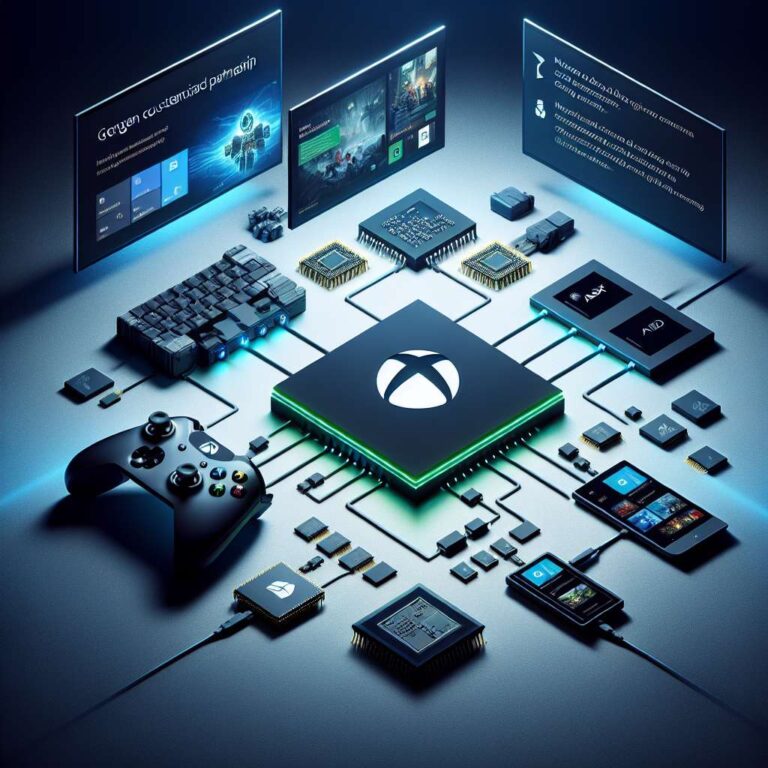
Microsoft has officially announced a next-generation Xbox console in partnership with AMD, as confirmed by Xbox president Sarah Bond in a concise YouTube update. The companies are entering a strategic, multi-year agreement to co-engineer custom silicon aimed at powering not just upcoming home consoles but also handheld Xbox devices. This is part of a broader effort to build a platform for gaming that is accessible across multiple device types, including the living room and portable environments. In addition to physical hardware, the collaboration will extend to developing the next generation of Xbox Cloud Gaming, featuring integrated solutions that expand where and how Xbox games can be played.
Central to Microsoft´s vision is a gaming ecosystem that is not restricted to a single store or device. Bond emphasized that this approach will let players enjoy their preferred titles on a variety of hardware, wherever they happen to be. Reinforcing this open philosophy, she noted ongoing collaboration with the Windows team. One of the broader objectives is to make Windows the leading platform for gaming, ensuring seamless transitions between console and PC experiences. This ecosystem-centric strategy signals a significant departure from closed systems by prioritizing interoperability and player freedom.
The announcement closely follows news of Microsoft´s partnership with ASUS to launch two Xbox Ally handheld gaming devices in the coming months. These handhelds will run a new full-screen Xbox interface built atop Windows, enabling users to access not only Xbox titles but also content from other platforms such as Steam. Microsoft´s multipronged hardware and software strategy underscores its ambition to create a more unified, accessible, and player-focused ecosystem, cementing its commitment to cross-platform compatibility and hardware versatility in the gaming sector.