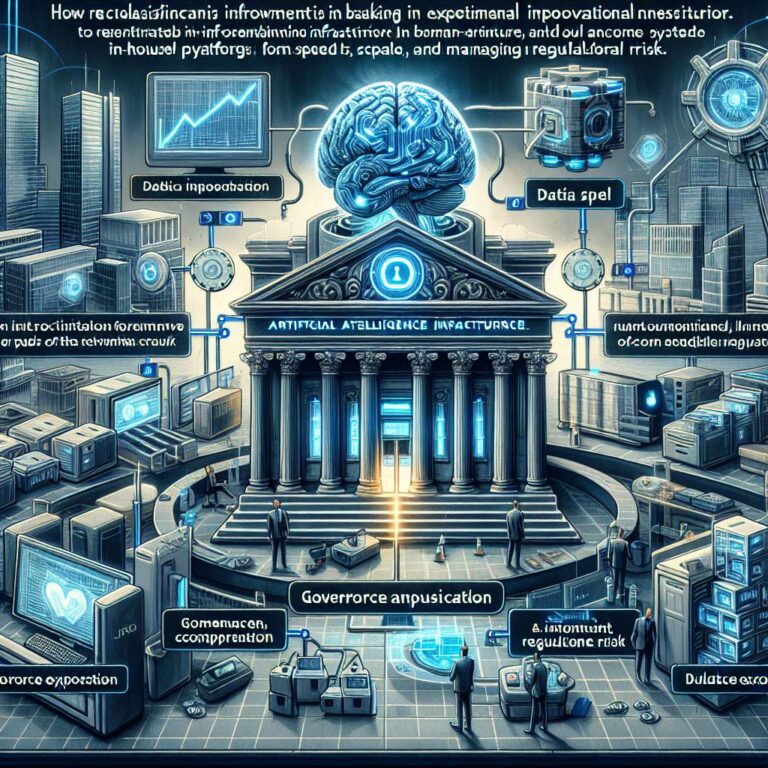
JPMorgan Chase is repositioning its Artificial Intelligence spending from experimental innovation to core infrastructure, putting it on the same footing as payment systems, data centres, and foundational risk controls. Chief executive Jamie Dimon has publicly defended the bank’s growing technology budget, warning that institutions that fall behind on Artificial Intelligence risk ceding ground to rivals. At JPMorgan, the conversation is framed less around replacing people and more around staying operationally viable in a sector where speed, scale, and cost discipline are central to daily performance.
This shift in language signals a deeper reclassification of risk and strategic necessity. Artificial Intelligence capabilities that once sat in separate innovation streams are now absorbed into baseline operating costs, including internal tools for research, document drafting, internal reviews, and other routine tasks. Rather than steering employees toward public Artificial Intelligence systems, JPMorgan is concentrating on building and governing its own internal platforms, citing long-standing industry concerns around data exposure, client confidentiality, and regulatory oversight. By prioritising auditable and explainable internal systems, the bank aims to avoid the hazards of “shadow Artificial Intelligence,” where staff quietly adopt unapproved tools that may boost productivity but undermine controls that regulators scrutinise closely.
The bank is also taking a deliberate line on workforce implications, avoiding bold claims that Artificial Intelligence will sharply cut headcount and instead presenting it as a way to streamline manual work and improve consistency. Tasks that previously demanded multiple review cycles can now be completed more quickly, with employees retaining final decision-making authority, which casts Artificial Intelligence as support rather than substitution. With hundreds of thousands of staff worldwide, even modest efficiency gains at JPMorgan can accumulate into significant savings, although Dimon acknowledges that the upfront cost of building and maintaining in-house Artificial Intelligence systems is substantial and can weigh on short-term results. He argues that trimming technology spending might lift margins temporarily but would weaken the bank’s strategic position, framing Artificial Intelligence investment as a kind of insurance against falling behind. This view reflects broader sector pressure, as competitors deploy Artificial Intelligence for fraud detection, compliance, and reporting, while regulators and clients increasingly expect faster, more accurate operations. JPMorgan recognises that the hardest problems now lie in governance, including deciding who can use Artificial Intelligence, under what rules, and with what accountability when systems fail, and it suggests that for large enterprises, the real constraints are process, policy, and trust rather than access to models or computing power.