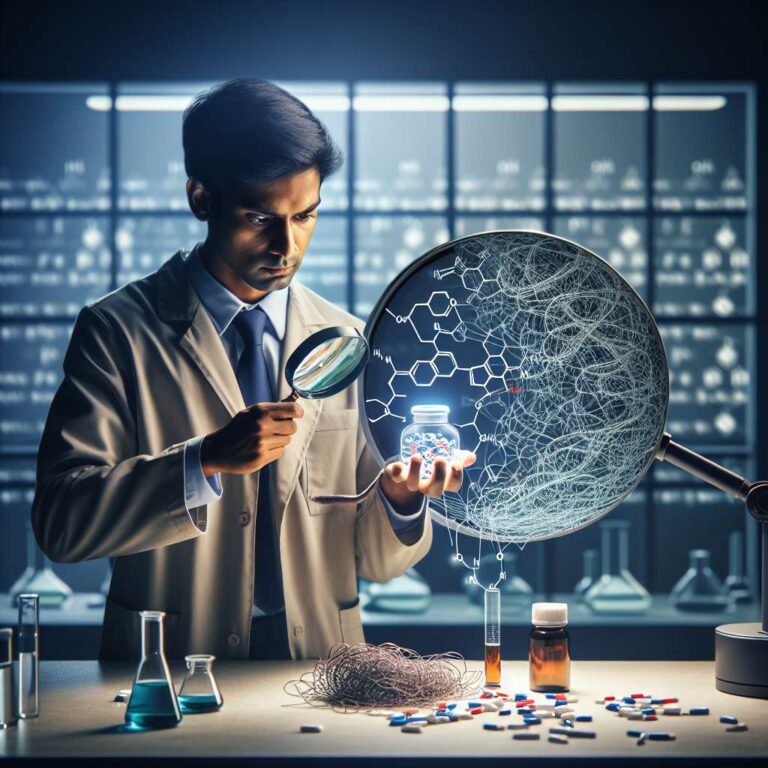
Artificial intelligence is transforming the pharmaceutical sector, offering new avenues to accelerate drug discovery and development. Traditionally, bringing a new drug to market has involved years of trial and error, with researchers painstakingly sorting through massive datasets in search of effective compounds. Now, artificial intelligence-driven platforms, like those developed by companies such as Dotmatics, are being deployed to organize and analyze complex biological and chemical information. This technological integration is enabling scientists to identify potential drug candidates much more swiftly than before, speeding up early-stage research and streamlining clinical trials.
Christian Olsen, vice president of strategy at Dotmatics, shared insights on how artificial intelligence is changing the industry without replacing human experts. According to Olsen, artificial intelligence and machine learning operate as force multipliers, allowing research teams to connect diverse data sources, detect patterns that may otherwise go unnoticed, and formulate more accurate hypotheses. The software platforms from Dotmatics assist scientists in structuring and interpreting immense datasets, but Olsen emphasized that artificial intelligence is a tool to enhance, not supplant, expert analysis. He cautioned that even the most promising artificial intelligence predictions still require exhaustive experimental validation in the laboratory due to the unpredictable nature of biology and the risk of technology producing occasional errors.
Despite its promise, the increasing use of artificial intelligence in medicine is fueling important ethical and practical concerns. Recent high-profile cases of fabricated or hallucinated data highlight the risks of depending solely on artificial intelligence-generated conclusions. Olsen stressed that trust in artificial intelligence must be balanced with rigorous scientific validation, warning against a blind reliance on algorithmic outputs. Looking ahead, Olsen believes the true revolution will emerge from the digital transformation currently underway in research organizations, as artificial intelligence becomes fully integrated with broader data ecosystems. This shift, while gradual, promises to unlock new innovations but will require ongoing vigilance to ensure that human judgment and empirical science remain vital cornerstones of drug discovery.