
Harvard Business School integrates artificial intelligence into core MBA curriculum

Harvard Business School is reshaping its MBA program around artificial intelligence and data science, pairing its case method with hands-on learning to prepare leaders to build, scale, and govern technology across industries.

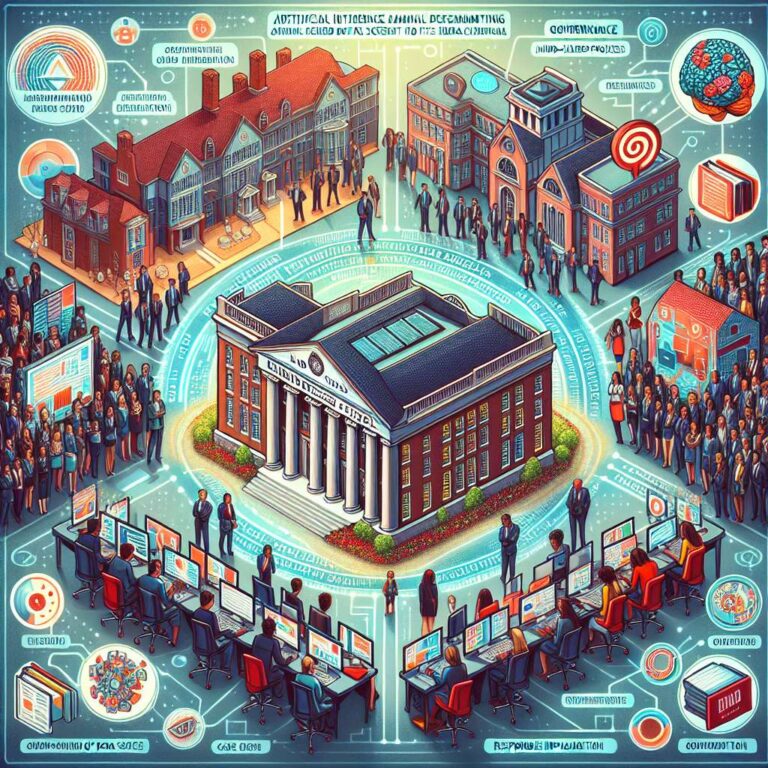
Harvard Business School is integrating artificial intelligence and data science into its core MBA curriculum in order to prepare future leaders to build, scale, and govern technology across a wide range of industries. The program is designed to develop both technical fluency and strategic judgment, so that graduates can navigate rapid advances in digital tools while remaining grounded in management fundamentals. Instruction is anchored in the school’s case method, which uses real-world business situations to surface the strategic, ethical, and organizational questions triggered by emerging technologies.

Hands-on learning is positioned as a central element of the retooled curriculum, giving students direct exposure to how artificial intelligence and data science are applied in practice. Through projects and experiential work, students learn how to evaluate new technologies, design and scale products and services, and address governance issues that arise when organizations adopt automated decision making. The emphasis is on preparing both founders and executives to drive change responsibly, balancing innovation with consideration for stakeholders and long-term impact.

Harvard Business School frames this shift as part of a broader, lifelong learning journey rather than a contained 2-year campus experience. Graduates are connected to a continuing network of peers, faculty, and resources intended to help them adapt as technology continues to evolve. The school presents leadership in the artificial intelligence era as an ongoing commitment, with alumni engagement and executive education extending the reach of the new curriculum so that managers can return for updated thinking and skills over the course of their careers.
55

Impact Score

Community backlash slows Artificial Intelligence data center expansion

Political resistance, regulatory scrutiny, and rising energy and water concerns are complicating the build-out of large Artificial Intelligence data centers across the United States. The pressure is increasing costs, delaying projects, and adding fresh risks to the economics behind Generative Artificial Intelligence infrastructure.

House panel advances export controls after China report

The House Foreign Affairs Committee moved export control legislation after a House Select Committee report detailed China’s use of illegal means to build its Artificial Intelligence and semiconductor sectors. The measure is aimed at chip smuggling and Artificial Intelligence model theft.

Intel repurposes scrap dies to expand CPU supply

Intel is repurposing wafer-edge and lower-yield silicon that would normally be discarded into sellable CPUs as industry demand outpaces supply. The strategy reflects a market where customers are willing to buy lower-tier parts to secure any available capacity.

The missing step between Artificial Intelligence hype and profit

Artificial Intelligence companies have built powerful systems and promised sweeping change, but the path from technical progress to real business value remains unclear. Conflicting studies, weak workplace performance, and poor transparency are leaving a critical gap between hype and evidence.

Contact Us

Got questions? Use the form to contact us.

Contact Form

Clicking next sends a verification code to your email. After verifying, you can enter your message.