
GIGAIPC unveils QBiP-155UB and QBiP-125UB 3.5´ industrial boards with Intel core ultra processors

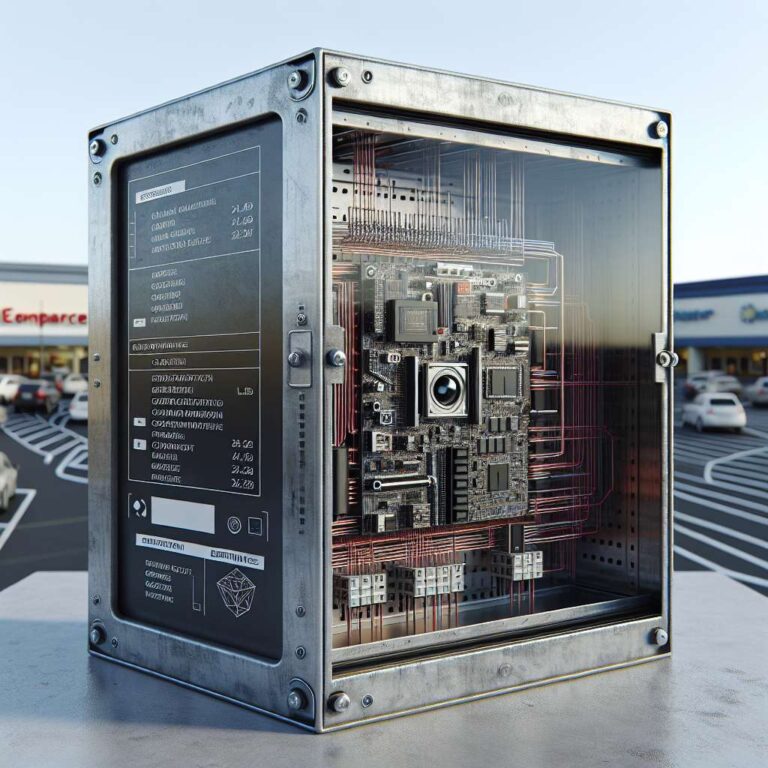
GIGAIPC´s new ´QBiP-155UB´ and ´QBiP-125UB´ 3.5´ boards deliver up to 11 TOPS on an integrated neural processing unit while running Artificial Intelligence workloads at a 15 W base TDP.

The era of cloud-only processing continues to give way to compute at the edge. GIGAIPC has introduced two 3.5´ industrial boards, ´QBiP-155UB´ and ´QBiP-125UB´, built around Intel core ultra 7 and core ultra 5 processors to meet that transition. The company highlights a 2.5-fold increase in power efficiency over previous generations, pitching these boards at deployments where energy budgets and sustained uptime matter most.

At the heart of both boards is Intel´s meteor lake-u architecture, which pairs general-purpose cores with a dedicated neural processing unit. GIGAIPC quotes up to 11 tera operations per second of neural throughput from that NPU while maintaining a base thermal design power of just 15 W. That combination of throughput and low power is designed to let systems run demanding Artificial Intelligence workloads continuously, reducing thermal throttling and preserving consistent inference latency across long operational windows.

The form factor and efficiency targets make the ´QBiP-155UB´ and ´QBiP-125UB´ well suited to power-constrained edge use cases. Examples called out by the vendor include smart parking systems that must monitor and respond in real time, precision medical devices that require reliable on-device analysis, and intelligent retail solutions that process sensor data locally to avoid round trips to the cloud. In each scenario the emphasis is on sustained on-device processing rather than bursty cloud offload.

Beyond raw performance figures, GIGAIPC frames these boards as tools for bringing intelligence closer to sensors and machines, where latency, connectivity and energy limitations shape design choices. They promise a path to lower operational costs and greater autonomy for embedded systems that need continuous Artificial Intelligence inference without constant cloud connectivity. For integrators and system designers focused on edge computing, these boards appear to prioritize predictable, long-duration performance over peak-only benchmarks.
58

Impact Score

What businesses need to know about the EU cyber resilience act

The EU cyber resilience act is turning product cybersecurity into a legal requirement for companies that sell digital products into the European Union. A key compliance milestone arrives in September 2026, well before the full regulation takes effect in 2027.

Claude Mythos and cyber insurance’s next inflection point

Claude Mythos is being treated by governments and regulators as a potential systemic cyber risk with implications for financial stability and insurance markets. Its emergence is intensifying pressure on insurers to clarify whether Artificial Intelligence-enabled cyber losses are covered, excluded, or require new stand-alone products.

OpenAI expands ChatGPT ads with self-serve manager

OpenAI is widening its ChatGPT ads pilot with a beta self-serve Ads Manager, new bidding options and broader measurement tools. The push signals a deeper move into advertising as the company expands the program into several international markets.

OpenAI launches Artificial Intelligence deployment consulting unit

OpenAI has created a new consulting and deployment business aimed at helping enterprises build and roll out Artificial Intelligence systems. The move mirrors a similar push by Anthropic and signals a broader effort by model providers to capture more of the enterprise services market.

SK Group warns DRAM shortages could curb memory use

SK Group chairman Chey Tae-won warned that customers may reduce memory consumption through infrastructure and software optimization if DRAM suppliers fail to raise output. Demand from Artificial Intelligence data centers is keeping the market tight as memory makers weigh expansion against the long timelines for new fabs.

Contact Us

Got questions? Use the form to contact us.

Contact Form

Clicking next sends a verification code to your email. After verifying, you can enter your message.