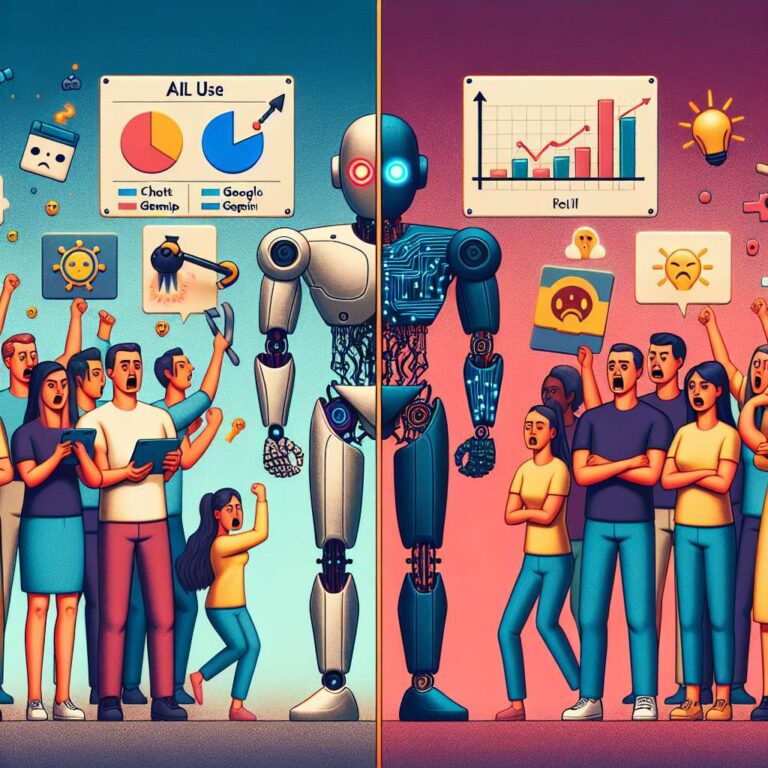
Generative artificial intelligence tools have quickly embedded themselves into day-to-day game development, but many workers are skeptical about their impact. According to the 2026 State of the Game Industry report, 36 percent of game industry professionals are using generative artificial intelligence tools as part of their job, yet 52 percent of respondents believe generative artificial intelligence is having a negative impact on the industry. That share of negative sentiment continues a sharp rise from earlier years, after 30 percent of respondents in the 2025 report felt generative artificial intelligence would have a negative impact on the game industry, up from 18 percent in 2024.
Use of generative artificial intelligence varies significantly by role, employer type, and seniority. Respondents employed at game studios (30 percent) reported using generative artificial intelligence tools far less than their peers at publishing companies, support teams, and marketing or PR firms (58 percent). Those working in upper management (47 percent) used artificial intelligence tools more than those in the lower decks (29 percent), while studio directors sit between those two groups (36 percent). 21 percent of respondents said they use internal generative artificial intelligence tools, and that metric increased to 30 percent for workers at triple-A studios. Men also reported using generative artificial intelligence tools more than women (41 percent compared to 35 percent), while older workers appear to be more reliant on the tech than their younger counterparts (46 percent compared to 34 percent).
Large language models are the dominant tools in this shift. Large language models (LLMs) were the most used artificial intelligence tool by a wide margin, with ChatGPT cited by 74 percent of users, Google Gemini by 37 percent, and Microsoft Copilot by 22 percent. As for text-to-image or video tools, Midjourney was the most used (17 percent), with Adobe Generative Fill (13 percent) and Sora AI (8 percent) following behind, and several respondents also disclosed the use of Claude. Developers are primarily using these tools for early-stage and support work: 81 percent of respondents use them for research or brainstorming, while 47 percent leverage them to complete daily tasks such as writing emails and code assistance. Generative artificial intelligence tools are used less for creative production, with 19 percent using them for asset generation, 10 percent for procedural generation, and 5 percent for player-facing features.
Negative sentiment is strongest among those closest to game content and players. Workers in visual and technical art (64 percent), game design and narrative (63 percent), and game programming (59 percent) hold the most unfavorable views of generative artificial intelligence. The survey also surfaced a great deal of opposition among those in quality assurance and community support, though sample sizes there were relatively small. Only about 7 percent of respondents said generative artificial intelligence is having a positive impact on the industry, down from 13 percent in 2025, with higher approval among executives and those in business operations and services (19 percent each). Many respondents framed their stance around protecting human creativity, with one senior employee in the United States asking why they would replace human creativity with what they described as a regurgitated amalgamation, and another emphasizing that artificial intelligence can streamline tedious work, especially in STEM contexts, but can never replace human creativity and artistic expression.