
Exclusive ebook: the math on artificial intelligence energy footprint

This exclusive subscriber-only ebook explains how emissions from individual artificial intelligence text, image, and video queries can appear minor until untracked sources and future growth are added together.

Exclusive and subscriber-only, this ebook by James O’Donnell and Casey Crownhart, dated May 20, 2025, lays out the calculation behind the energy cost of artificial intelligence. It frames the central puzzle plainly: emissions from single text, image, or video queries look small in isolation. The introduction signals a broader argument that the apparent efficiency of single interactions can mask larger impacts when additional factors are considered.

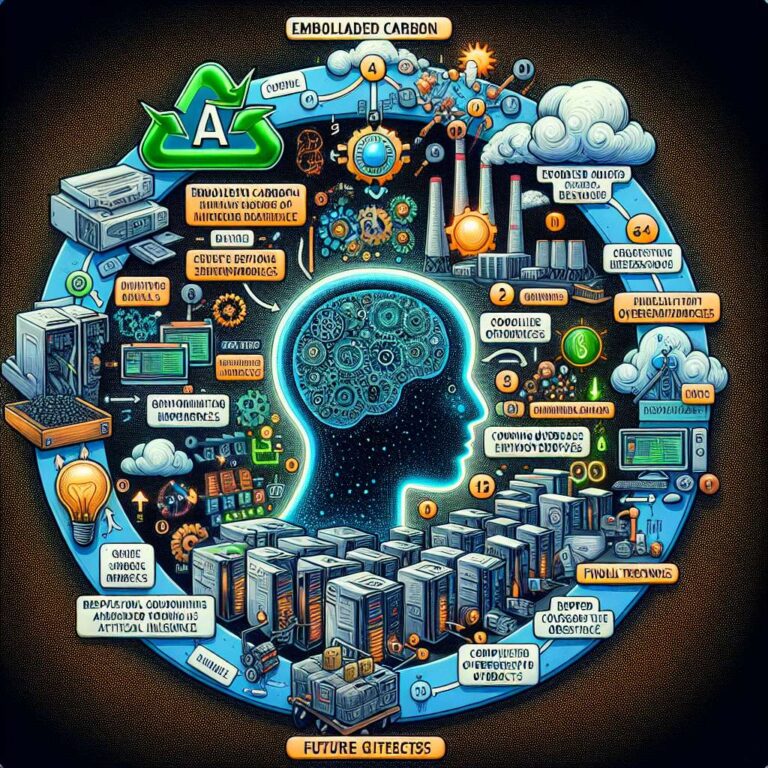
The book is organized into four clear parts, each addressing a step in the lifecycle of contemporary artificial intelligence services. Part one, making the model, examines model creation. Part two, a query, follows a single request through the system. Part three, fuel and emissions, turns to the resources and outputs tied to operation. Part four, the future ahead, looks at trajectory and implications. Together these sections are presented as a sequence that moves from how models are built to how individual interactions accumulate environmental cost.

The stated takeaway is that small per-query emissions become more consequential once the industry’s blind spots are included and growth is projected forward. The ebook promises readers a focused, math-driven account of those blind spots and how aggregation changes the picture. It aims to surface what the industry is not tracking and why that matters for assessing the overall energy footprint of artificial intelligence. Related content and an access link accompany the ebook announcement, underscoring that the material is intended for subscribers seeking a detailed walkthrough of emissions sources and future considerations.
50

Impact Score

MIT method spots overconfident Artificial Intelligence models

MIT researchers developed a way to detect when large language models are confidently wrong by comparing their answers with outputs from similar models. The combined uncertainty measure outperformed standard techniques across a range of tasks and may help reduce unreliable responses.

MEPs back delay for parts of Artificial Intelligence Act

European Parliament committees have endorsed targeted delays to parts of the Artificial Intelligence Act while adding a proposed ban on certain non-consensual image manipulation tools. The changes aim to give companies clearer deadlines, reduce overlap with other EU rules, and extend support to small mid-cap enterprises.

Publisher alliance seeks leverage over Artificial Intelligence web access

A new publisher coalition is trying to reshape how Artificial Intelligence companies access journalism by combining collective bargaining with tougher technical controls. The effort reflects growing pressure on Artificial Intelligence firms to pay for content used in training, search, and user-facing responses.

Military advantage in the age of algorithmic diffusion

American leadership in Artificial Intelligence research and infrastructure may not translate into lasting military advantage. Rapid diffusion of algorithms is shifting the contest toward compute, talent, and the speed of military adoption.

Artificial Intelligence adoption rises among small businesses

Small businesses are increasingly using Artificial Intelligence and reporting strong gains in efficiency, productivity, and expected revenue. Many still face practical barriers and want more training, resources, and policy support to move from experimentation to full implementation.

Contact Us

Got questions? Use the form to contact us.

Contact Form

Clicking next sends a verification code to your email. After verifying, you can enter your message.