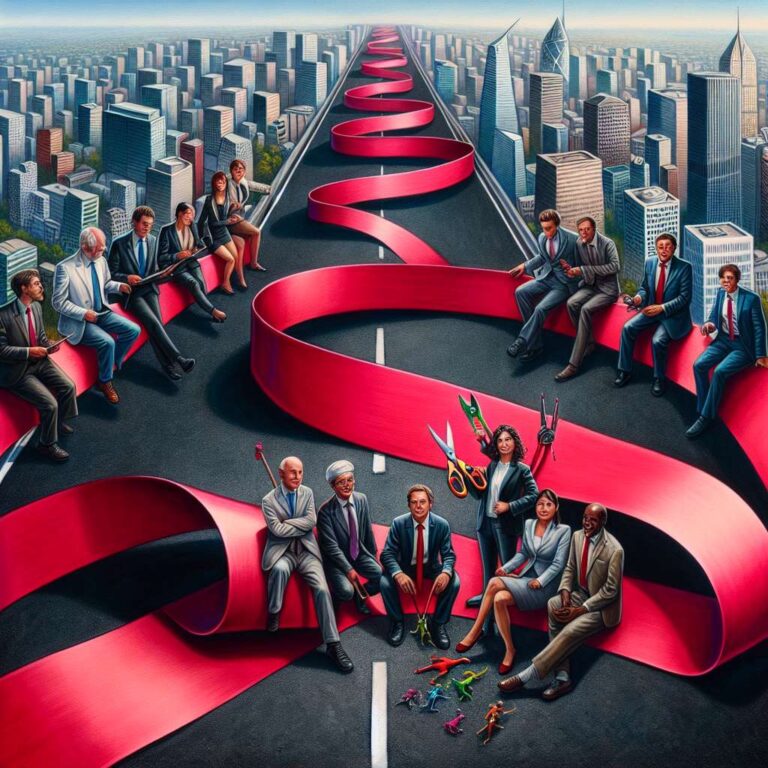
Dozens of leading European companies, including industry giants such as Airbus, Mistral, ASML, Lufthansa, and Mercedes-Benz, have publicly appealed to the European Union to delay and simplify its landmark artificial intelligence regulations. In an open letter to Brussels, 46 top executives expressed concerns that the current regulatory pace could significantly harm Europe´s competitiveness in the global artificial intelligence sector, particularly against competitors in the United States and China.
The regulations, which took effect last year, adopt a risk-based approach that escalates requirements for artificial intelligence systems deemed higher risk to citizens´ rights or health. The signatories argue that the complexity and strictness of these rules threaten not just the emergence of European champions but also hinder broad industrial adoption of artificial intelligence technologies at the scale required for international competition. They specifically request a two-year pause on the enforcement of obligations targeting general-purpose artificial intelligence models—such as those behind platforms like ChatGPT—and high-risk artificial intelligence systems, which are scheduled for compliance deadlines in August 2025 and August 2026, respectively.
The call for delay comes at a time when the European Union is working to bolster its technology industries and facing mounting international scrutiny. The new United States administration, under President Donald Trump and Vice President JD Vance, has openly criticized the EU´s approach, accusing it of excessive regulation. Meanwhile, the European Commission has yet to release a code of practice that will clarify how the rules should be applied to general-purpose artificial intelligence models, including products from companies like Google and Mistral. While the Commission promises the code will be available before new rules take effect next month, there are growing expectations it will be softened to address industry grievances. The letter underscores a rapidly shifting global landscape where regulation, innovation, and international competition intersect, and European industry leaders are making it clear they fear being left behind if current policies are not reconsidered.